Mud flaps: those often-overlooked, rectangular pieces of material hanging behind your vehicle’s tires. While they might seem like a purely cosmetic add-on, they play a crucial role in protecting your vehicle, other vehicles on the road, and even the environment. In fact, studies show that vehicles equipped with quality mud flaps experience significantly less paint chipping and undercarriage damage, potentially saving hundreds or even thousands of dollars in the long run. So, let’s dive deep into the world of automotive mud flaps and explore everything you need to know about them.
What are Automotive Mud Flaps and How Do They Work?
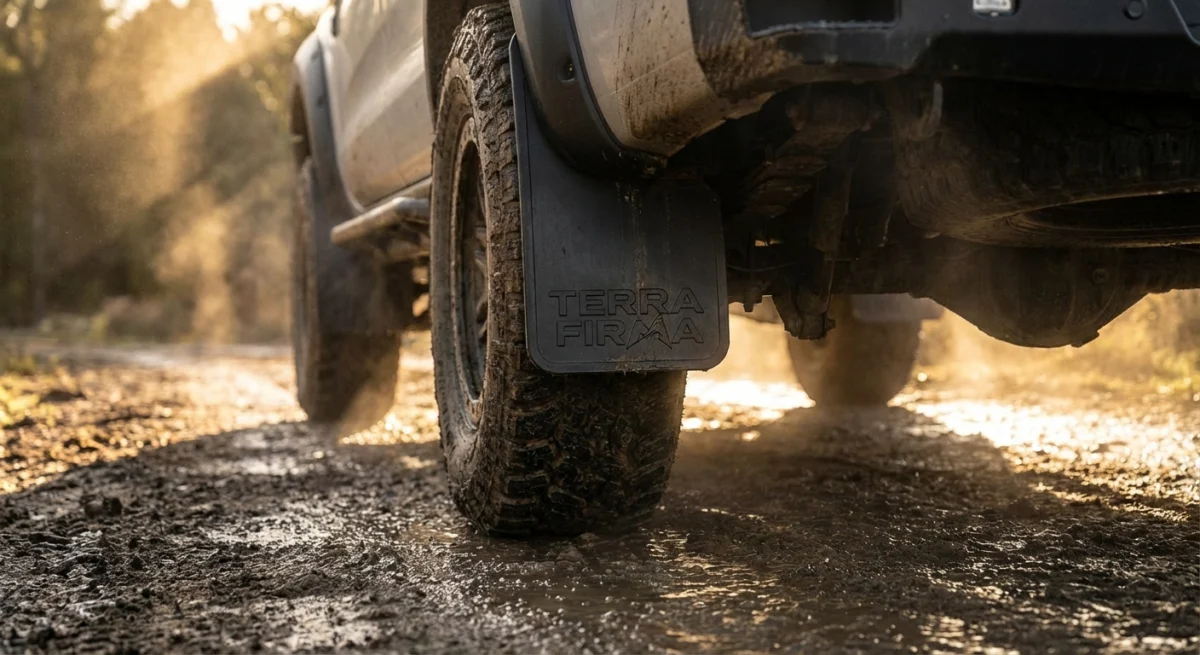
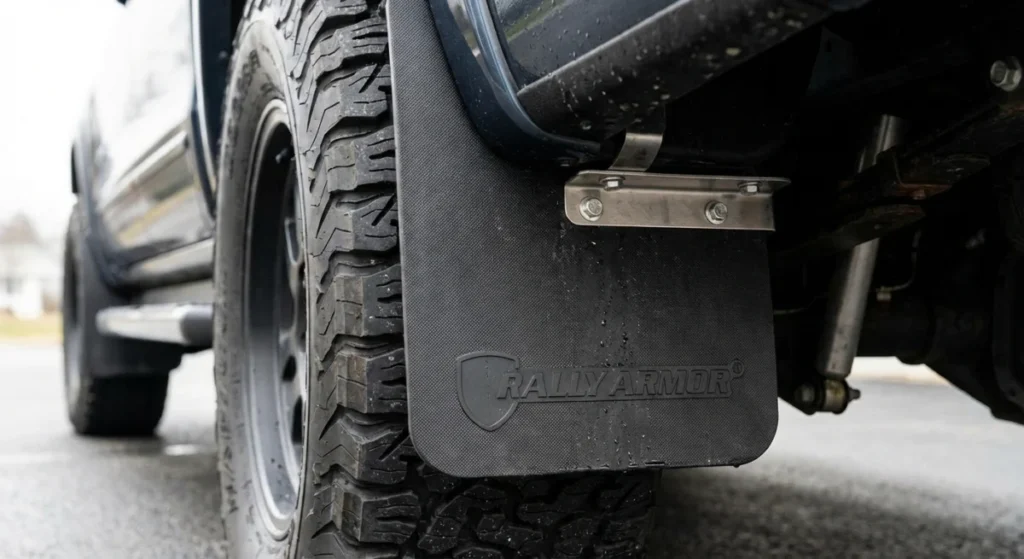
At their core, mud flaps are protective barriers designed to deflect water, mud, rocks, snow, and other debris kicked up by your tires. Think of them as a shield against the constant bombardment from road hazards. They are typically made from flexible materials like rubber, thermoplastic, or composite blends, allowing them to withstand impacts and extreme weather conditions.
The Physics of Deflection
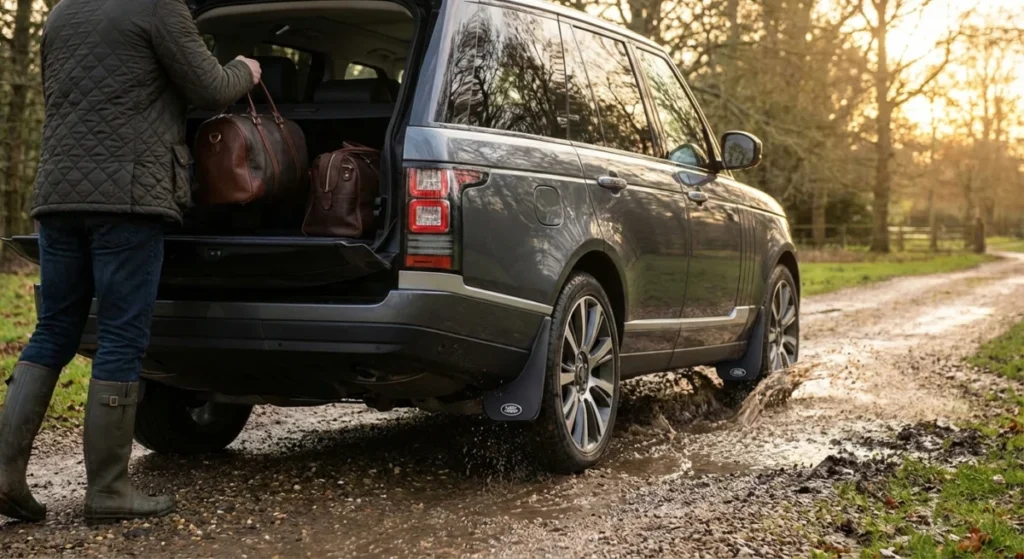
The way mud flaps work is relatively straightforward. As your tires rotate, they naturally fling debris outwards and backward. Without mud flaps, this debris would directly impact your vehicle’s body, undercarriage, and any following vehicles. Mud flaps intercept this spray, redirecting it downward or back toward the ground. The flexible nature of the material allows the flap to absorb some of the impact energy, further reducing the force of the projectiles. This is why heavy-duty mud flaps are often preferred for trucks and off-road vehicles that encounter particularly harsh conditions.
OEM vs. Aftermarket Mud Flaps
You’ll often hear about OEM mud flaps and aftermarket mud flaps. OEM stands for Original Equipment Manufacturer. These are the mud flaps designed and installed by the vehicle manufacturer. Aftermarket mud flaps, on the other hand, are manufactured by third-party companies and offer a wider range of styles, materials, and levels of protection. Choosing between the two depends on your specific needs and preferences.
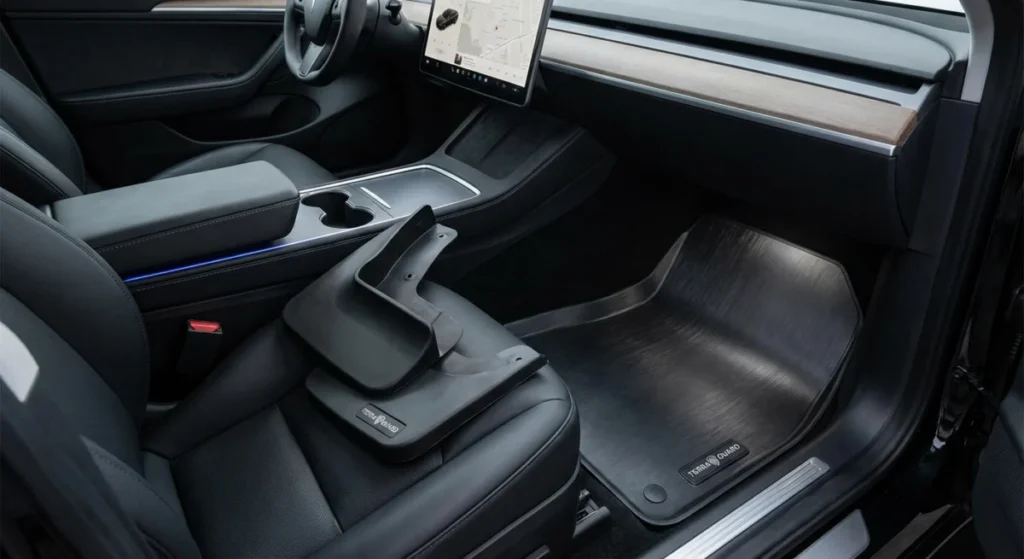
Benefits and Key Features of Mud Flaps
Beyond simply keeping your vehicle cleaner, mud flaps offer a multitude of benefits:
- Protecting Your Vehicle: This is the primary function. Mud flaps prevent damage from rocks, road salt, and other debris, minimizing paint chips, rust, and corrosion. This helps maintain your vehicle’s resale value.
- Protecting Other Vehicles: Flying debris can be a hazard to vehicles traveling behind you. Mud flaps significantly reduce the risk of chipped windshields and damaged paint jobs.
- Enhanced Safety: By reducing the spray of water and mud, mud flaps improve visibility for yourself and other drivers, especially in wet conditions.
- Legal Compliance: In some regions, mud flaps are legally required, particularly for trucks and vehicles with oversized tires. Failure to comply can result in fines.
- Aesthetic Appeal: Mud flaps can enhance your vehicle’s appearance, particularly for trucks and SUVs. Many aftermarket options offer custom designs and logos to personalize your ride.
- Environmental Protection: By containing road spray, mud flaps can help reduce the spread of pollutants and contaminants.
Key Features to Consider
When selecting mud flaps, consider the following features:
- Material: Rubber is durable and flexible, while thermoplastic is more rigid and offers better impact resistance. Composite blends offer a balance of both.
- Size and Shape: Choose a size that adequately covers the width of your tires and extends far enough down to effectively deflect debris.
- Thickness: Thicker mud flaps provide better protection and are less likely to tear or crack.
- Mounting Style: Different mud flaps use different mounting systems, such as direct-fit, universal, or custom-fit. Ensure the mounting system is compatible with your vehicle.
- Finish: Consider the finish of the mud flaps. Some have a smooth, glossy finish, while others have a textured or matte finish.
- Anti-Spray Design: Some mud flaps feature special designs to minimize water spray and improve visibility.
Installation Tips for Mud Flaps
Installing mud flaps is a relatively straightforward process that can be done at home with basic tools. However, always refer to the manufacturer’s instructions for specific guidance.
- Gather Your Tools: You’ll typically need a screwdriver, socket wrench, measuring tape, drill (if necessary), and safety glasses.
- Prepare Your Vehicle: Clean the area where the mud flaps will be installed. This will help ensure a secure and lasting installation.
- Position the Mud Flaps: Hold the mud flaps in place and align them with the mounting holes. Use a measuring tape to ensure they are evenly positioned on both sides.
- Drill Holes (If Necessary): Some mud flaps require drilling new holes. Use a drill bit that is the correct size for the mounting hardware.
- Secure the Mud Flaps: Use the provided screws or bolts to attach the mud flaps to your vehicle. Tighten them securely, but be careful not to overtighten them.
- Test the Installation: Once the mud flaps are installed, check to make sure they are securely attached and do not interfere with the tires or suspension.
Important: If you are uncomfortable drilling or working on your vehicle, it is best to have the mud flaps professionally installed.
Maintenance and Care of Mud Flaps
Mud flaps are relatively low-maintenance, but a few simple steps can help extend their lifespan:
- Regular Cleaning: Wash your mud flaps regularly with soap and water to remove dirt, mud, and road salt. This will help prevent corrosion and maintain their appearance.
- Inspection: Periodically inspect your mud flaps for cracks, tears, or loose mounting hardware. Repair or replace them as needed.
- Protectant: Applying a rubber or plastic protectant can help keep your mud flaps looking new and prevent them from drying out and cracking.
- Winter Care: In areas with heavy snow and ice, consider removing your mud flaps during the winter months to prevent them from being damaged by ice buildup.
Top Buying Factors for Automotive Mud Flaps
Choosing the right mud flaps depends on several factors, including:
- Vehicle Type: Different vehicles require different types of mud flaps. Make sure to choose mud flaps that are compatible with your vehicle’s make, model, and year.
- Tire Size: If you have oversized tires, you’ll need to choose mud flaps that are wide enough to provide adequate coverage.
- Driving Conditions: If you frequently drive on gravel roads, in snowy conditions, or off-road, you’ll need more durable mud flaps.
- Desired Appearance: Mud flaps come in a variety of styles and finishes. Choose mud flaps that complement your vehicle’s aesthetic.
- Budget: Mud flaps range in price from inexpensive universal options to premium custom-fit models. Set a budget before you start shopping.
- Reviews and Ratings: Before making a purchase, read reviews and ratings from other customers to get an idea of the quality and performance of the mud flaps.
Essential FAQ Section
Here are some frequently asked questions about automotive mud flaps:
1. Are mud flaps required by law? The legal requirements for mud flaps vary by state or region. Check your local laws to determine if mud flaps are required for your vehicle. 2. Can I install mud flaps myself? Yes, in most cases, you can install mud flaps yourself with basic tools and mechanical skills. However, if you are uncomfortable working on your vehicle, it is best to have them professionally installed. 3. What is the best material for mud flaps? The best material depends on your needs and preferences. Rubber is durable and flexible, while thermoplastic is more rigid and offers better impact resistance. 4. How often should I replace my mud flaps? You should replace your mud flaps whenever they become damaged, cracked, or torn. Regular inspection can help you identify potential problems early on. 5. Do mud flaps affect fuel economy? Mud flaps can slightly increase aerodynamic drag, which may have a minimal impact on fuel economy. However, the difference is typically negligible.
Conclusion
Investing in quality mud flaps is a smart decision for any vehicle owner. They provide essential protection against road debris, enhance safety, and can even improve your vehicle’s appearance. By considering the key features, installation tips, and maintenance guidelines outlined in this guide, you can choose the right mud flaps for your needs and enjoy the benefits for years to come. Don’t underestimate the power of these simple, yet effective, accessories. They’re a small investment that can save you big money and headaches down the road.