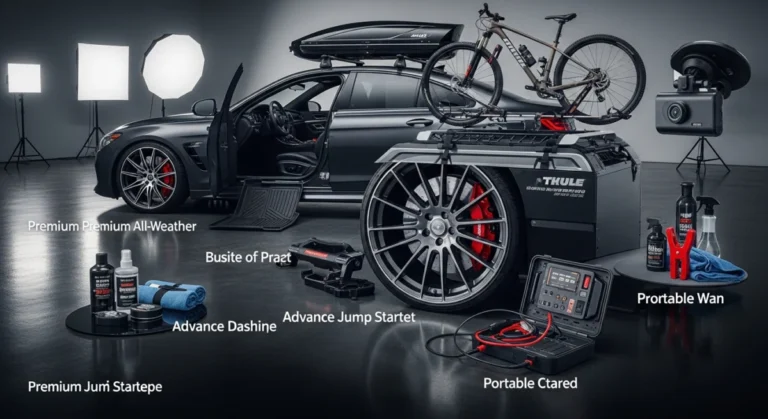
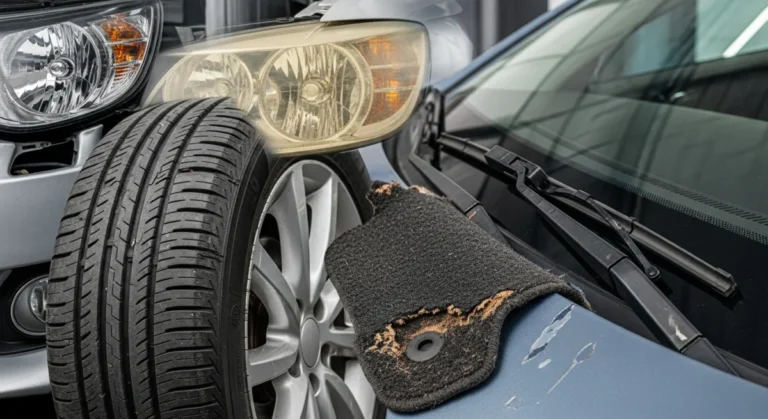
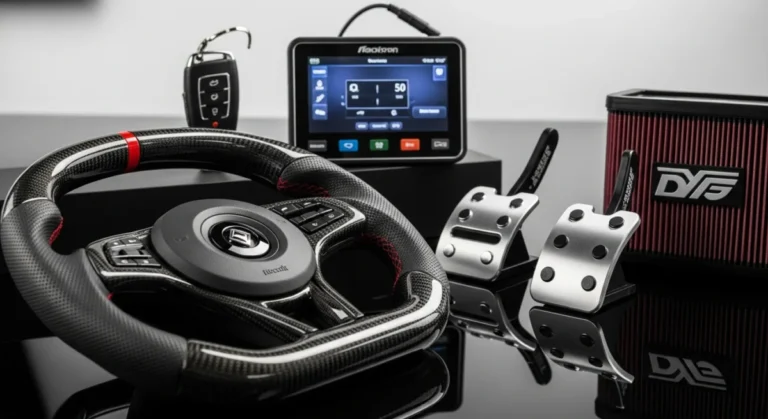
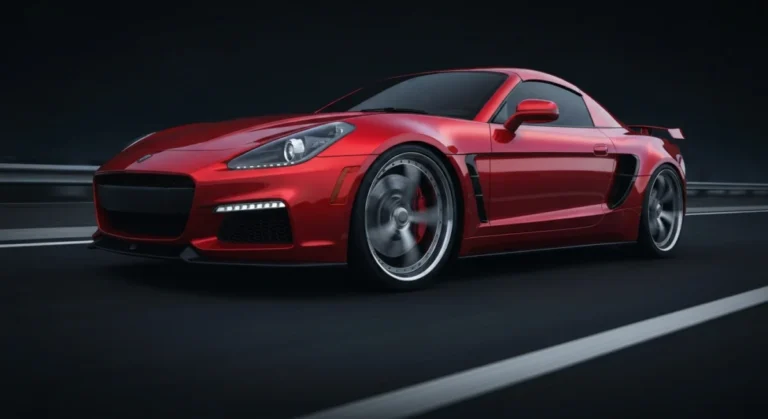
The allure of a gleaming, personalized vehicle is undeniable. It’s more than just transportation; it’s a statement, an extension of your personality. Aftermarket automotive exterior add-ons are the key to unlocking that potential, allowing you to tailor your ride to your exact specifications. In 2023, the global automotive aftermarket size reached $420 billion, with a significant portion attributed to exterior enhancements. But with so many options available, choosing the right add-ons can be overwhelming. This guide will navigate the world of automotive exterior enhancements, ensuring you make informed decisions and achieve the look and performance you desire.
Automotive Exterior Add-ons: A Comprehensive Guide
What are Automotive Exterior Add-ons?
Automotive exterior add-ons are components installed on a vehicle’s exterior to enhance its appearance, improve its performance, or provide added functionality. They range from subtle cosmetic changes like window tint and trim upgrades to more significant alterations such as body kits, performance spoilers, and off-road bumpers. These additions can dramatically alter the look and feel of your car, truck, or SUV. They also play a role in how your vehicle interacts with the environment and potentially influence aerodynamics.
Body Kits: Transforming Your Vehicle’s Aesthetics
Body kits are a collection of exterior modifications designed to work together and radically change the overall appearance of a vehicle. Typically, a body kit includes:
- Front bumper: Replaces the factory bumper with a more aggressive or aerodynamic design.
- Rear bumper: Similar to the front bumper, the rear bumper enhances the vehicle’s back end.
- Side skirts: Located between the front and rear wheels, side skirts visually lower the vehicle and improve airflow along the sides.
- Spoilers/Wings: Attached to the rear, spoilers and wings are designed to improve aerodynamics and provide a sporty look.
Benefits and Key Features
Enhanced aesthetics: A well-chosen body kit can drastically improve the vehicle’s visual appeal, making it stand out from the crowd. Improved aerodynamics: Some body kits are designed with aerodynamics in mind, potentially improving fuel efficiency or high-speed stability. Personalization: Body kits offer a high degree of customization, allowing you to create a unique look that reflects your personal style.
Installation Tips
Professional installation is highly recommended for body kits. Improper installation can lead to fitment issues, damage to the vehicle, and compromised safety. Ensure the body kit is compatible with your specific vehicle make, model, and year. Proper surface preparation is crucial for paint adhesion. Sanding, priming, and cleaning are essential steps.
Maintenance and Care
Regularly wash your vehicle, including the body kit, to remove dirt, debris, and road salt. Apply a coat of wax or sealant to protect the paint from UV rays and environmental contaminants. Inspect the body kit for any signs of damage, such as cracks or chips, and address them promptly.
Top Buying Factors
- Material: Choose a durable and lightweight material such as fiberglass, polyurethane, or carbon fiber.
- Fitment: Ensure the body kit is designed specifically for your vehicle to guarantee a proper fit.
- Style: Select a design that complements your personal taste and the overall aesthetic of your vehicle.
- Brand reputation: Research the manufacturer and read reviews to ensure you’re purchasing a quality product.
Spoilers and Wings: Adding Style and Function
Spoilers and wings are aerodynamic devices designed to alter airflow over a vehicle. Spoilers typically redirect air to reduce lift, while wings generate downforce.
Benefits and Key Features
Improved aerodynamics: At higher speeds, spoilers and wings can improve stability and handling by reducing lift or increasing downforce. Aggressive styling: Spoilers and wings add a sporty and aggressive look to your vehicle. Customization: Available in a wide range of styles and materials, allowing you to personalize your vehicle’s appearance.
Installation Tips
Most spoilers and wings can be installed with basic tools and some mechanical knowledge. Follow the manufacturer’s instructions carefully to ensure proper installation. Use high-quality adhesive or mounting hardware to secure the spoiler or wing to the vehicle.
Maintenance and Care
Regularly clean the spoiler or wing to remove dirt and debris. Inspect for any signs of damage and repair as needed. Apply wax or sealant to protect the finish.
Top Buying Factors
- Material: Options include ABS plastic, fiberglass, carbon fiber, and aluminum.
- Style: Choose a style that complements your vehicle’s design and your personal preferences.
- Functionality: Consider the aerodynamic benefits of the spoiler or wing.
- Ease of installation: Look for models that are easy to install with minimal modifications.
Window Tint: Privacy, Protection, and Style
Window tint is a thin film applied to vehicle windows to reduce the amount of light that passes through.
Benefits and Key Features
Reduced heat: Window tint can significantly reduce heat buildup inside the vehicle, keeping it cooler during hot weather. UV protection: Window tint blocks harmful UV rays, protecting occupants from sun damage and preventing fading of the interior. Privacy: Window tint provides increased privacy, making it more difficult for others to see inside the vehicle. Enhanced appearance: Window tint adds a sleek and stylish look to your vehicle.
Installation Tips
Professional installation is recommended for window tint to ensure a smooth, bubble-free finish. Check local laws regarding window tint darkness before selecting a tint film.
Maintenance and Care
Clean window tint with a soft cloth and a mild, ammonia-free cleaner. Avoid using abrasive cleaners or scouring pads, as they can scratch the tint film.
Top Buying Factors
- Tint darkness: Choose a tint darkness that complies with local laws and meets your privacy needs.
- Material: Opt for high-quality tint films made from durable materials.
- UV protection: Ensure the tint film blocks a high percentage of UV rays.
- Professional installation: Choose a reputable installer with experience applying window tint.
Off-Road Bumpers: Protection and Functionality for Adventurers
Off-road bumpers are heavy-duty bumpers designed to protect your vehicle from damage during off-road excursions.
Benefits and Key Features
Increased protection: Off-road bumpers provide superior protection against rocks, trees, and other obstacles. Winch compatibility: Many off-road bumpers are designed to accommodate a winch, allowing you to recover your vehicle in challenging situations. Attachment points: Off-road bumpers often feature attachment points for lights, tow hooks, and other accessories. Improved approach angle: Off-road bumpers can improve the vehicle’s approach angle, allowing it to navigate steeper obstacles.
Installation Tips
Installation of off-road bumpers can be complex and may require specialized tools. Professional installation is recommended for those without extensive mechanical experience. Ensure the bumper is compatible with your vehicle’s frame and suspension.
Maintenance and Care
Regularly clean the off-road bumper to remove mud, dirt, and debris. Apply a protective coating to prevent rust and corrosion. Inspect for any signs of damage and repair as needed.
Top Buying Factors
- Material: Choose a durable material such as steel or aluminum.
- Winch compatibility: Consider whether you need a bumper that can accommodate a winch.
- Attachment points: Look for a bumper with the necessary attachment points for your desired accessories.
- Protection: Ensure the bumper provides adequate protection for your vehicle’s front end.
Essential FAQ
Q: Will adding a body kit void my car’s warranty? A: It depends. The Magnuson-Moss Warranty Act generally protects consumers from having their warranties voided simply for using aftermarket parts. However, if the aftermarket part directly causes a failure, the warranty coverage for that specific issue might be denied.
Q: Can I install a spoiler myself, or do I need a professional? A: Many spoilers can be installed yourself with basic tools and some mechanical aptitude. However, carefully follow the manufacturer’s instructions, and don’t hesitate to seek professional help if you’re uncomfortable with any part of the process. Poor installation can lead to the spoiler detaching at high speeds, posing a safety risk.
Q: How dark can I legally tint my car windows? A: Window tint laws vary by state and often specify the minimum light transmittance allowed. Check your local regulations before installing window tint to avoid fines or having to remove the tint.
Q: Are off-road bumpers street legal? A: In most areas, yes, off-road bumpers are street legal, but there may be specific requirements regarding bumper height, protrusion, and coverage. Check your local laws to ensure your off-road bumper complies with regulations.
Q: How do I choose the right material for my body kit? A: The best material depends on your budget and priorities. Fiberglass is affordable but can be brittle. Polyurethane is more flexible and durable. Carbon fiber is lightweight and strong but expensive.
Conclusion
Automotive exterior add-ons offer a fantastic way to personalize your vehicle and enhance its performance. Whether you’re aiming for a subtle upgrade or a dramatic transformation, understanding the different types of add-ons, their benefits, and proper installation and maintenance is crucial. By carefully considering your needs, budget, and local regulations, you can choose the perfect exterior enhancements to create a vehicle that truly reflects your style and meets your performance requirements. Happy customizing!