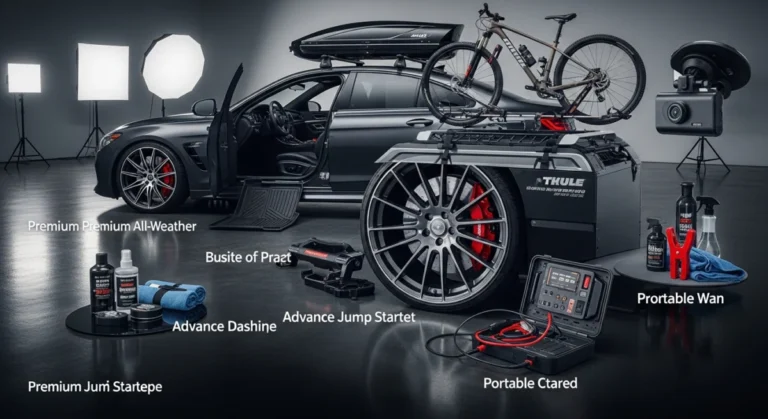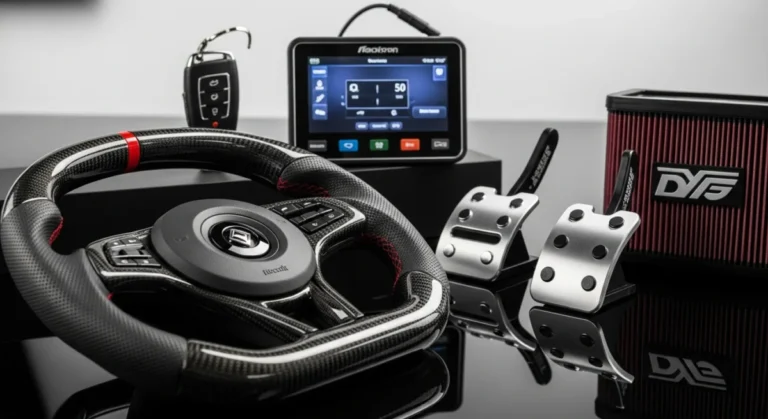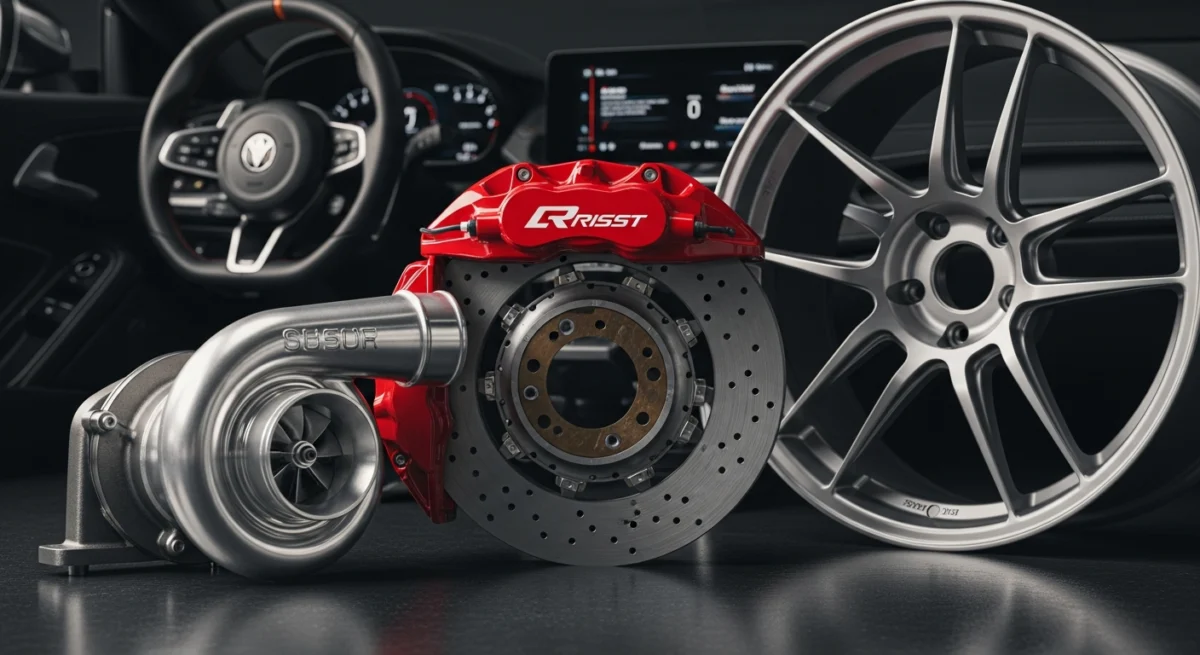
Ever feel like your ride is missing… something? Maybe it’s a little extra horsepower, a touch more comfort, or a dash of personalized style? You’re not alone. The automotive aftermarket is a massive, thriving industry fueled by drivers just like you who want to enhance their vehicles. In 2023 alone, the US automotive aftermarket reached an impressive $360 billion, demonstrating its enduring popularity and impact. This guide will delve into the exciting world of aftermarket products, exploring everything from performance upgrades to aesthetic enhancements, ensuring you’re equipped to make informed decisions and get the most out of your vehicle.
Understanding the Automotive Aftermarket
What is the Automotive Aftermarket?
The automotive aftermarket encompasses all the parts, accessories, and services offered *after* a vehicle leaves the factory. Think of it as the realm of customization, improvement, and maintenance beyond the original equipment manufacturer (OEM) parts. It caters to diverse needs, ranging from replacing worn-out components to drastically altering a vehicle’s appearance and performance. The aftermarket provides alternatives to OEM parts, often with different price points, features, and functionalities.
How Does it Work?
The aftermarket operates through a complex network of manufacturers, distributors, retailers, and installers. Manufacturers design and produce the aftermarket products. Distributors act as intermediaries, connecting manufacturers with retailers. Retailers sell the products to consumers, either directly or through online channels. Installers provide the expertise to fit the products onto vehicles, ensuring proper function and safety. The availability of aftermarket parts is crucial for extending the lifespan of vehicles and giving owners more control over their cars’ performance and aesthetics.

Key Categories of Aftermarket Products
Performance Upgrades
What is it / How it works
Performance upgrades aim to improve a vehicle’s power, handling, braking, or overall driving experience. Examples include cold air intakes, which increase airflow to the engine, performance exhaust systems that reduce backpressure, ECU tuning to optimize engine parameters, and suspension upgrades for enhanced handling and stability. These components often work by altering the engine’s combustion process, improving its breathing, or refining the vehicle’s chassis dynamics.
Benefits and key features
- Increased horsepower and torque
- Improved throttle response
- Enhanced handling and stability
- Aggressive exhaust note
- Better fuel economy (in some cases)
Installation tips
- Follow manufacturer instructions meticulously.
- Consider professional installation for complex modifications like ECU tuning or suspension work.
- Ensure compatibility with your specific vehicle model and engine.
Maintenance and care
- 定期检查和清洗空气过滤器(冷空气进气系统)。
- 检查排气系统的泄漏或损坏。
- 定期检查悬挂部件是否有磨损。
Top buying factors
- Horsepower gains
- Sound quality
- Brand reputation
- Installation ease
- Price
Aesthetic Enhancements
What is it / How it works
Aesthetic enhancements focus on improving a vehicle’s visual appeal. This category includes custom wheels, body kits, aftermarket lighting (e.g., LED headlights, tail lights), window tint, and interior upgrades like seat covers, floor mats, and custom trim. These products alter the exterior and interior appearance of the vehicle to match the owner’s preferences.
Benefits and key features
- Personalized vehicle styling
- Enhanced visual appeal
- Improved vehicle resale value (in some cases)
- Increased safety (e.g., brighter headlights)
- Comfort and convenience (e.g., seat covers)
Installation tips
- Ensure proper fitment before installation.
- Use appropriate tools and techniques to avoid damage.
- Follow local regulations regarding window tint and lighting modifications.
Maintenance and care
- 定期清洁和打蜡车轮,以防止腐蚀。
- 检查车身套件是否有裂缝或损坏。
- 清洁内饰,以保持新的外观。
Top buying factors
- Style and design
- Material quality
- Durability
- Ease of installation
- Price
Replacement Parts
What is it / How it works
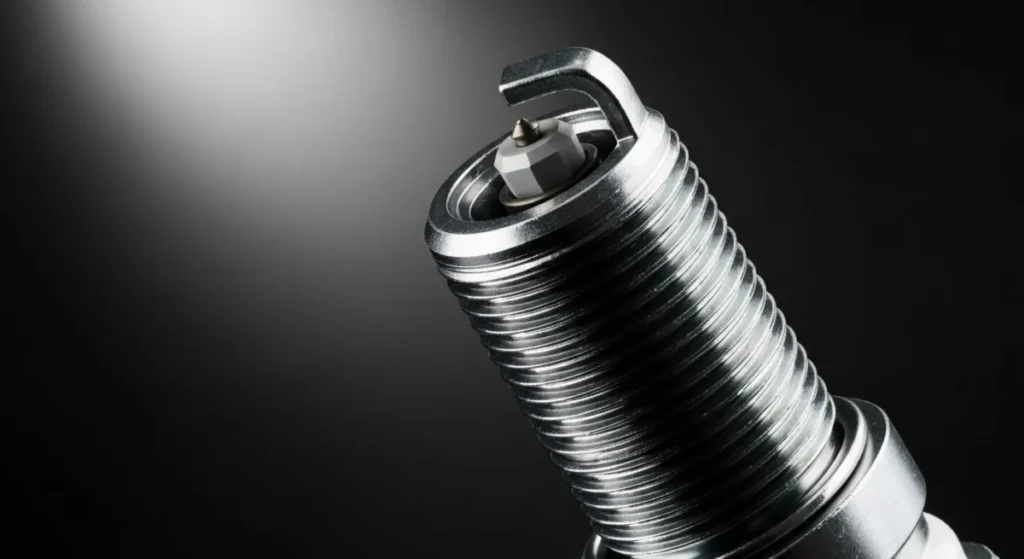
Replacement parts are used to replace worn-out or damaged components, ensuring the vehicle remains in good working order. This includes brake pads, rotors, filters (oil, air, fuel), spark plugs, batteries, and suspension components. These parts restore the vehicle’s functionality and performance to its original condition. Aftermarket replacement parts are often more affordable or offer improved performance compared to OEM parts.
Benefits and key features
- Restored vehicle functionality
- Extended vehicle lifespan
- Improved performance (in some cases)
- Cost savings compared to OEM parts
- Availability from multiple manufacturers
Installation tips
- Consult the vehicle’s service manual for proper procedures.
- Use appropriate tools and safety equipment.
- Ensure the replacement part is compatible with your vehicle.
Maintenance and care
- 定期检查更换零件的磨损情况。
- 遵循建议的维护间隔。
Top buying factors
- Price
- Quality
- Warranty
- Brand reputation
- Compatibility
Technology and Electronics
What is it / How it works
This category includes devices that enhance a vehicle’s technology and convenience. Examples include car stereos, navigation systems, backup cameras, dash cams, and remote starters. These upgrades add features and functionalities that improve the driving experience and increase safety. These products typically involve electrical connections and may require professional installation.
Benefits and key features
- Enhanced audio quality
- Improved navigation
- Increased safety and security
- Remote start convenience
- Connectivity and entertainment options

Installation tips
- Disconnect the battery before starting any electrical work.
- Use appropriate wiring harnesses and connectors.
- Consult a professional installer for complex systems.
Maintenance and care
- 定期更新软件以保持最佳性能。
- 保护电子产品免受极端温度的影响。
Top buying factors
- Features and functionality
- Ease of use
- Sound quality
- Reliability
- Price
Protective Accessories
What is it / How it works
Protective accessories are designed to shield a vehicle from damage and wear. This includes car covers, floor mats, seat covers, paint protection film (PPF), and bug deflectors. These products act as a barrier against the elements, preventing scratches, dents, and other forms of damage.
Benefits and key features
- Protection from scratches and dents
- Prevention of interior damage
- Extended vehicle lifespan
- Maintenance of vehicle appearance
- Increased resale value
Installation tips
- Ensure proper fitment for car covers and floor mats.
- Follow manufacturer instructions for PPF application.
- Clean the vehicle thoroughly before applying protective accessories.
Maintenance and care
- 定期清洗和维护车盖。
- 清洁和保养地板垫和座套。
Top buying factors
- Material quality
- Durability
- Fitment
- Ease of installation
- Price
Essential FAQs
1. Are aftermarket parts as good as OEM parts? The quality of aftermarket parts varies significantly. Some aftermarket brands offer superior performance or durability compared to OEM parts, while others are designed for budget-conscious consumers. Researching brands and reading reviews is crucial before making a purchase.
2. Will aftermarket modifications void my warranty? Modifications that directly cause a failure may void the warranty coverage for the affected component. However, the Magnuson-Moss Warranty Act protects consumers from blanket warranty denials. The manufacturer must prove that the aftermarket part caused the failure.
3. How do I choose the right aftermarket products for my vehicle? Consider your needs, budget, and desired outcome. Research different brands and read reviews. Consult with knowledgeable retailers or installers for expert advice. Ensure compatibility with your vehicle’s make, model, and year.
4. Is it better to install aftermarket parts myself or hire a professional? It depends on your skills, experience, and the complexity of the installation. Simple installations, like replacing floor mats, can be done yourself. Complex modifications, like ECU tuning or suspension work, are best left to professionals.
5. Where can I buy aftermarket parts? Aftermarket parts are available from various sources, including online retailers, auto parts stores, specialty shops, and dealerships. Compare prices and consider the seller’s reputation and return policy before making a purchase.
Conclusion
The automotive aftermarket offers a vast array of options to personalize, enhance, and maintain your vehicle. Whether you’re seeking to boost performance, improve aesthetics, or simply keep your car running smoothly, the aftermarket has something for everyone. By understanding the different categories of products, considering the key buying factors, and seeking expert advice when needed, you can confidently navigate the aftermarket and transform your vehicle into the ride of your dreams.