Aerodynamic roof racks aren’t just about looking sleek on your vehicle. They represent a crucial upgrade for anyone who regularly hauls gear – from kayaks and bikes to camping equipment and cargo carriers. In fact, the global roof rack market is projected to reach billions of dollars in the coming years, reflecting a growing demand for efficient and convenient transportation solutions. But what truly sets aerodynamic roof racks apart, and why should you consider investing in one? The answer lies in their ability to reduce drag, improve fuel efficiency, and minimize wind noise, turning what can be a noisy, fuel-guzzling experience into a smoother, more economical journey. Let’s dive into the world of low-profile roof racks and explore what makes them a smart choice for the modern driver.
What is an Aerodynamic Roof Rack? How it Works
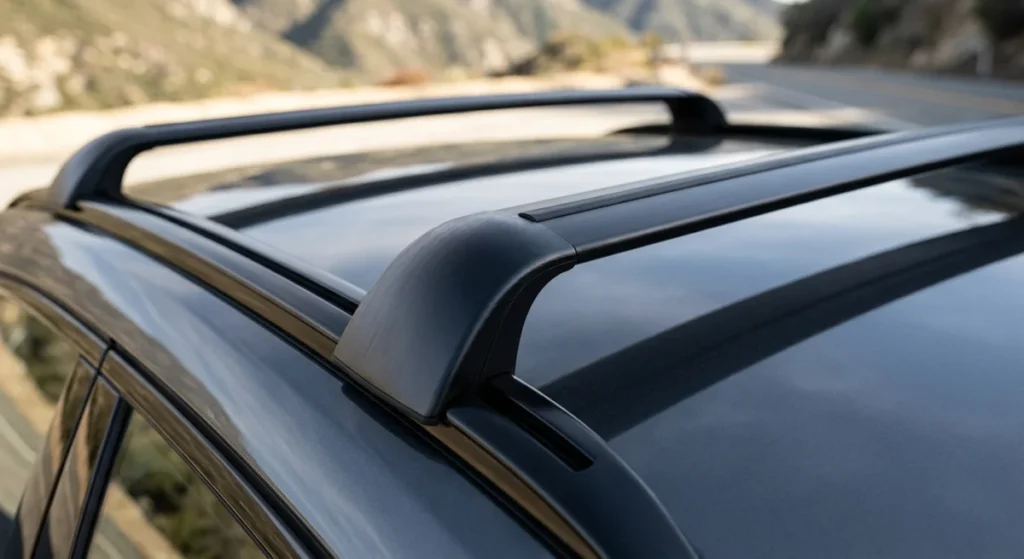
At its core, an aerodynamic roof rack is a vehicle accessory designed to transport cargo on the roof while minimizing air resistance. Unlike traditional, boxy roof racks that present a large, flat surface to the oncoming wind, aerodynamic models are engineered with a streamlined profile to slice through the air more efficiently.
The Science of Reduced Drag
The secret to an aerodynamic roof bar‘s performance lies in its shape. These racks often feature:
- Airfoil Shapes: Resembling the wing of an airplane, these shapes are designed to split the air smoothly, reducing turbulence and drag.
- Low Profile Design: By sitting closer to the roof of the vehicle, these racks minimize the amount of air that needs to flow around and over them.
- Integrated Fairings: Some models incorporate small, wind-deflecting fairings that further streamline airflow and reduce noise.
This careful shaping results in a significant reduction in drag, which translates into better fuel economy, less wind noise inside the cabin, and a more stable driving experience, especially at highway speeds. The fundamental concept is minimizing the pressure differential between the front and rear of the rack. A blunt rack creates a vacuum behind it, pulling the vehicle back. An aerodynamic rack allows air to flow more smoothly, reducing that vacuum and thus reducing drag.
Benefits and Key Features
Investing in an aerodynamic cargo rack offers a multitude of benefits, far beyond just aesthetics.
Fuel Efficiency Savings
One of the most compelling advantages is the potential for improved fuel efficiency. Reducing drag directly translates to less engine effort needed to maintain speed, leading to noticeable fuel savings, especially on long trips. While the exact amount saved varies depending on vehicle type, driving conditions, and the specific rack model, tests have shown improvements ranging from 1-5 MPG.
Reduced Wind Noise
Traditional roof racks can be notorious for generating significant wind noise, creating a distracting and uncomfortable driving experience. Aerodynamic roof racks, with their streamlined designs, significantly reduce this noise, allowing for quieter conversations and a more enjoyable ride. The difference can be dramatic, especially at higher speeds.
Improved Stability
The reduced drag also enhances vehicle stability, particularly in windy conditions. By minimizing the forces acting against the vehicle, aero roof racks contribute to a more controlled and predictable driving experience.
Versatility and Compatibility
Modern aerodynamic roof rack systems are designed to be versatile and compatible with a wide range of vehicles. Many models feature adjustable mounting systems that can accommodate different roof widths and styles. They are also compatible with a wide variety of accessories, such as bike carriers, kayak racks, and cargo boxes.
Key Features to Look For:
- T-Slots: These integrated channels allow for easy and secure attachment of accessories.
- Locking Mechanisms: Enhanced security features to prevent theft of the rack itself.
- Durable Materials: High-quality materials like aluminum or reinforced polymers ensure long-lasting performance.
- Load Capacity: Consider the maximum weight the rack can safely carry, ensuring it meets your specific needs.
Installation Tips
While many aerodynamic roof racks are designed for relatively straightforward installation, following these tips can ensure a secure and hassle-free setup:
Pre-Installation Checklist
- Read the Instructions: Carefully review the manufacturer’s instructions before beginning the installation process.
- Gather Your Tools: Ensure you have all the necessary tools, such as wrenches, screwdrivers, and measuring tape.
- Protect Your Vehicle: Use masking tape or a soft cloth to protect your vehicle’s roof from scratches during installation.
Installation Steps
1. Identify Mounting Points: Locate the designated mounting points on your vehicle’s roof. 2. Assemble the Rack: Assemble the rack components according to the manufacturer’s instructions. 3. Attach the Rack to the Vehicle: Securely attach the rack to the mounting points, ensuring proper alignment. 4. Tighten the Fasteners: Tighten all fasteners to the specified torque to prevent loosening during use. 5. Double-Check Stability: Once installed, double-check the rack’s stability and ensure it is securely attached to the vehicle.
Important Considerations:
- Torque Specifications: Adhering to the manufacturer’s torque specifications is crucial to prevent damage to the rack or vehicle.
- Professional Installation: If you are uncomfortable with the installation process, consider having a professional install the rack for you.
Maintenance and Care
Proper maintenance and care can significantly extend the lifespan of your aerodynamic roof rack.
Regular Cleaning
- Wash Regularly: Wash the rack regularly with mild soap and water to remove dirt, grime, and salt buildup.
- Inspect for Damage: Periodically inspect the rack for any signs of damage, such as cracks, dents, or corrosion.
Fastener Maintenance
- Check Tightness: Regularly check the tightness of all fasteners and tighten as needed.
- Lubricate Threads: Apply a small amount of lubricant to the threads of the fasteners to prevent corrosion and ensure smooth tightening.
Storage
- Store Indoors: When not in use, store the rack indoors to protect it from the elements.
- Clean Before Storing: Clean the rack thoroughly before storing it to prevent the buildup of dirt and grime.
Top Buying Factors
Choosing the right aerodynamic roof rack involves considering several key factors:
Vehicle Compatibility
Ensure the rack is specifically designed to fit your vehicle’s make, model, and year. Check the manufacturer’s compatibility chart to confirm a proper fit.
Load Capacity
Determine the maximum weight you plan to carry on the rack and choose a model with a sufficient load capacity. Exceeding the load capacity can compromise safety and damage the rack.
Material and Durability
Opt for a rack made from high-quality, durable materials like aluminum or reinforced polymers. These materials offer excellent strength, corrosion resistance, and longevity.
Noise Reduction
Look for features specifically designed to minimize wind noise, such as integrated fairings or airfoil-shaped crossbars.
Price
Aerodynamic roof racks range in price from a few hundred dollars to over a thousand dollars. Determine your budget and choose a rack that offers the best balance of features and value. Read reviews and compare different models to make an informed decision.
Brand Reputation
Choose a rack from a reputable brand known for quality, durability, and customer support.

Essential FAQ
Here are some frequently asked questions about aerodynamic roof racks:
1. Will an aerodynamic roof rack really improve my gas mileage? While the improvement varies, yes, an aerodynamic rack reduces drag, leading to potential fuel savings compared to traditional racks.
2. Are aerodynamic roof racks difficult to install? Most are designed for relatively easy installation, but carefully follow the manufacturer’s instructions, and consider professional installation if you’re unsure.
3. Can I use my existing accessories with an aerodynamic roof rack? Possibly. Check if your accessories are compatible with the rack’s mounting system, such as T-slots or universal clamps.
4. How much weight can an aerodynamic roof rack hold? The maximum weight capacity varies by model, so check the manufacturer’s specifications to ensure it meets your needs.
5. Are aerodynamic roof racks worth the extra cost compared to standard racks? For frequent users, the benefits of improved fuel efficiency, reduced wind noise, and enhanced stability often justify the higher price.
Conclusion
Upgrading to an aerodynamic roof rack is more than just an aesthetic choice; it’s a practical investment that can enhance your driving experience, save you money on fuel, and provide a more secure and comfortable way to transport your gear. By understanding the key features, installation tips, and maintenance requirements, you can make an informed decision and enjoy the many benefits that low-profile roof racks offer. From weekend adventures to everyday commutes, an aero roof rack is a valuable addition to any vehicle.