Truck Mud Flaps: A Comprehensive Guide
Tired of your pristine truck getting plastered with road grime and sending pebbles flying at innocent bystanders (and their vehicles)? You’re not alone. Road debris kicked up by truck tires causes millions of dollars in vehicle damage annually. The solution? Truck mud flaps. These seemingly simple accessories are crucial for protecting your truck, other vehicles, and even the environment. This guide will delve into everything you need to know about truck mud flaps, ensuring you choose the right ones and keep them in top condition.
Understanding Truck Mud Flaps

What are Truck Mud Flaps and How Do They Work?
Truck mud flaps, also known as splash guards or mudguards, are protective barriers mounted behind the wheels of trucks, trailers, and other large vehicles. Their primary function is to minimize the spray of water, mud, rocks, and other debris thrown up by the tires as they rotate. They work by physically intercepting the trajectory of these projectiles, directing them downwards towards the road instead of outwards or upwards. The shape, size, and material of the mud flap influence its effectiveness. Think of them as shields protecting your investment and the safety of those around you.
Benefits and Key Features
Mud flaps offer a multitude of benefits, making them an essential accessory for any truck owner.
- Vehicle Protection: They shield your truck’s body, undercarriage, and suspension components from damage caused by flying debris, preventing rust, corrosion, and costly repairs.
- Enhanced Safety: By reducing spray, mud flaps improve visibility for other drivers, especially in wet conditions, minimizing the risk of accidents. They also prevent rocks and debris from hitting vehicles behind you.
- Legal Compliance: Many states and provinces have regulations requiring mud flaps on trucks and trailers to prevent the discharge of debris onto the roadway. Not complying can result in fines.
- Improved Aesthetics: Mud flaps can add a touch of style to your truck. You can find them in various materials, colors, and designs, some even featuring custom logos.
- Environmental Protection: By containing mud and debris, mud flaps help prevent pollutants from being spread into waterways and the surrounding environment.
Key features to consider include:
- Material: Common materials include rubber, thermoplastic, and aluminum. Each offers different levels of durability, flexibility, and resistance to wear and tear.
- Size: The size of the mud flap should be appropriate for the size and type of your truck. They should extend low enough to effectively deflect debris but not drag on the ground.
- Thickness: Thicker mud flaps are generally more durable and resistant to tearing and damage.
- Mounting Style: Options include direct mount, hanger mount, and spring-loaded mount. Choose a mounting style that is compatible with your truck and provides secure attachment.
- Anti-Sail Properties: Some mud flaps feature designs or materials that reduce “sail,” which is the tendency for the flap to flap and bend in the wind, reducing effectiveness and increasing wear.
Installation Tips (if applicable)
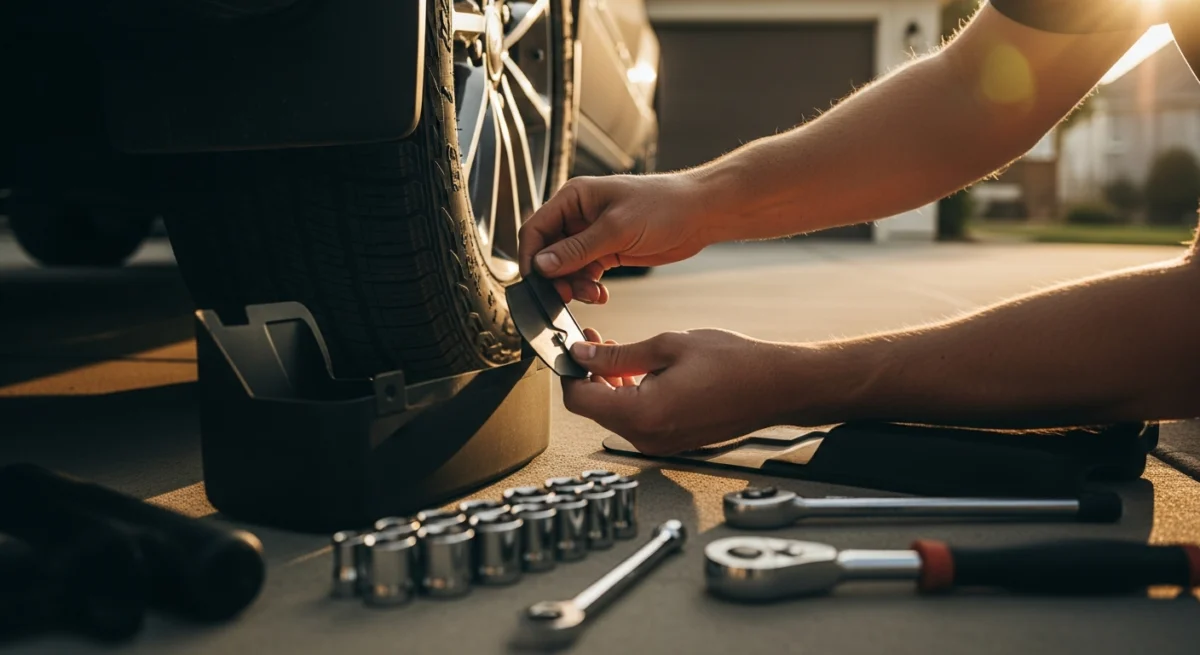
Installing mud flaps is generally a straightforward process, but proper installation is crucial for optimal performance and safety.
1. Gather your tools: You’ll typically need a drill, socket wrench, screwdriver, measuring tape, and safety glasses. 2. Choose the right mounting location: Consult your truck’s manual or a professional installer for recommended mounting points. Ensure the location provides adequate clearance for the tires and suspension. 3. Position the mud flap: Hold the mud flap in place and mark the mounting holes. Use a level to ensure it is aligned correctly. 4. Drill the mounting holes: Drill pilot holes using the appropriate size drill bit. 5. Secure the mud flap: Attach the mud flap using bolts, screws, or rivets, depending on the mounting style and hardware provided. Tighten securely. 6. Repeat for all mud flaps: Follow the same steps for all four mud flaps. 7. Double-check your work: Ensure all mud flaps are securely attached and properly aligned.
Safety First: Always wear safety glasses when drilling and working under your truck. If you are unsure about any aspect of the installation process, consult a professional mechanic.
Maintenance and Care
Proper maintenance will extend the life of your mud flaps and ensure they continue to perform effectively.
- Regular Cleaning: Wash your mud flaps regularly with soap and water to remove dirt, mud, and road salt. This will prevent corrosion and keep them looking their best.
- Inspect for Damage: Periodically inspect your mud flaps for tears, cracks, and other damage. Replace damaged mud flaps promptly to maintain their effectiveness.
- Tighten Mounting Hardware: Check the mounting hardware regularly and tighten any loose bolts or screws.
- Apply Protective Coating: Consider applying a protective coating to your mud flaps to protect them from UV rays and other environmental factors.
- Winter Considerations: In areas with heavy snowfall and road salt usage, more frequent cleaning is crucial. Consider using rubber-safe de-icing products to prevent damage to the mud flaps.
Top Buying Factors
Choosing the right mud flaps for your truck involves considering several factors.
- Truck Type and Size: The size and type of your truck will determine the appropriate size and style of mud flaps.
- Driving Conditions: Consider the type of terrain and weather conditions you typically encounter. If you frequently drive on rough roads or in snowy conditions, you’ll need more durable mud flaps.
- Material Durability: Select a material that is appropriate for your needs. Rubber mud flaps are flexible and durable, while thermoplastic mud flaps are lightweight and resistant to chemicals. Aluminum mud flaps are strong and corrosion-resistant.
- Aesthetic Preferences: Choose a style and color that complements your truck’s appearance.
- Budget: Mud flaps range in price from inexpensive generic options to high-end custom designs. Determine your budget and choose the best option within your price range.
- Brand Reputation: Research different brands and read reviews to ensure you are purchasing a quality product from a reputable manufacturer. Look for brands that offer warranties or guarantees.
- Legal Requirements: Check your local laws and regulations regarding mud flap requirements. Ensure the mud flaps you choose meet the minimum size and coverage requirements.
- Ease of Installation: Consider how easy the mud flaps are to install. If you are not comfortable doing it yourself, factor in the cost of professional installation.
Essential FAQs

1. Are mud flaps required by law?
- Yes, in many jurisdictions. Specific regulations vary, so check your local laws regarding size, coverage, and material requirements. Failing to comply can result in fines.
2. What are the best materials for truck mud flaps?
- It depends on your needs. Rubber is a good all-around choice for flexibility and durability. Thermoplastic is lightweight and chemical-resistant. Aluminum is exceptionally durable and corrosion-resistant, but can be more expensive.
3. How do I choose the right size mud flaps?
- Measure the distance from the bottom of your wheel well to the ground. Your mud flaps should extend close to the ground without dragging, typically leaving a few inches of clearance. Consider tire size and suspension travel.
4. Can I install mud flaps myself?
- Yes, most mud flaps are relatively easy to install with basic tools. Follow the manufacturer’s instructions carefully. If you are unsure, consult a professional.
5. How often should I replace my mud flaps?
- It depends on the material, usage, and driving conditions. Regularly inspect them for damage, and replace them as soon as you notice significant tears, cracks, or wear. Generally, expect to replace them every few years.
Conclusion
Truck mud flaps are more than just an accessory; they are an investment in the longevity of your vehicle, the safety of yourself and others, and environmental responsibility. By understanding the benefits, key features, and proper maintenance practices, you can choose the right mud flaps for your truck and enjoy years of reliable protection. So, take the time to research and select the best mud flaps for your needs – your truck (and everyone around you) will thank you for it.