Paint Protection Mud Flaps: The Ultimate Guide to Keeping Your Ride Pristine
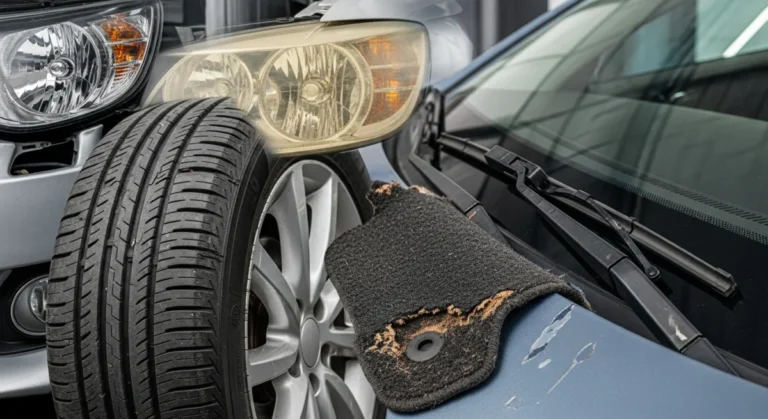
Let’s face it: nobody wants to see their beloved car’s paint chipped, scratched, and battered by road debris. According to recent studies, the average car endures hundreds, if not thousands, of impacts from rocks, salt, and other grime every year, resulting in costly repairs and diminished resale value. Luckily, there’s a relatively simple and effective solution: paint protection mud flaps. These aren’t your grandpa’s clunky rubber flaps; modern options are designed for both performance and aesthetics, seamlessly blending with your vehicle’s style while offering robust protection. This guide will delve into everything you need to know about paint protection mud flaps, ensuring you make the right choice for your vehicle.
What are Paint Protection Mud Flaps and How Do They Work?
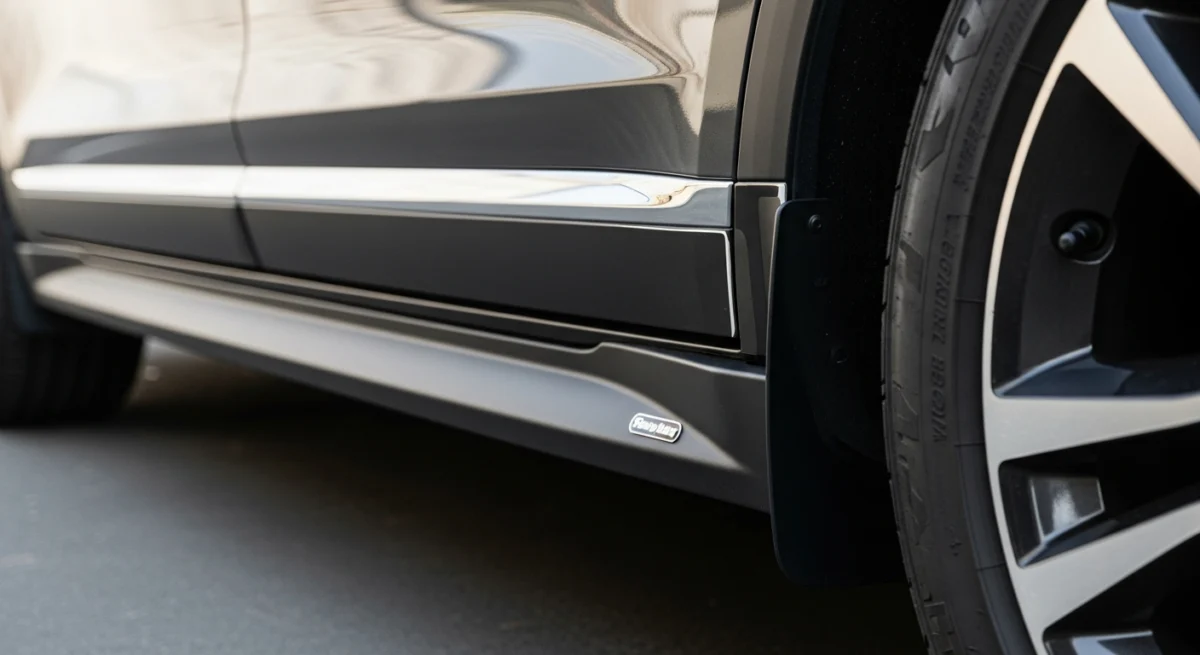
Paint protection mud flaps, also known as splash guards or rock guards, are designed to shield your vehicle’s paint from damage caused by road debris. They are typically made from durable materials like rubber, thermoplastic, or polyurethane and are installed behind the tires.
Understanding the Physics of Protection
Mud flaps work by intercepting debris kicked up by your tires. As your tires spin, they propel water, mud, rocks, salt, and other particles outwards. Without mud flaps, these projectiles strike the lower sections of your vehicle, especially the rocker panels, doors, and rear bumper. Mud flaps act as a physical barrier, deflecting these projectiles downwards and away from your vehicle’s vulnerable painted surfaces. A good mud flap will be wide enough to provide sufficient coverage but also have some flex to absorb impacts, minimizing the chance of it transferring force back into the mounting area on your vehicle.
Distinguishing Between Different Types
Not all mud flaps are created equal. Several types cater to different vehicles and needs:
- Universal Mud Flaps: These are designed to fit a wide range of vehicles with some modification. They are usually more affordable but require more effort to install correctly.
- Custom-Molded Mud Flaps: These are specifically designed for certain makes and models, ensuring a perfect fit and easy installation. While pricier, they offer superior coverage and a cleaner look.
- Rally-Style Mud Flaps: These are typically made from flexible materials like polyurethane and are designed for off-road vehicles or those seeking a more aggressive look. They are often larger and more durable than standard mud flaps.
- Anti-Spray Mud Flaps: Often seen on trucks, these feature grooves or textures designed to reduce water spray, improving visibility for other drivers.
Benefits and Key Features of Paint Protection Mud Flaps
Investing in paint protection mud flaps offers several significant benefits:
Preserving Your Vehicle’s Paint
The primary benefit is obvious: protecting your paint from chips, scratches, and corrosion. This helps maintain your vehicle’s appearance and prevents rust, a costly repair down the road.
Maintaining Resale Value
A well-maintained vehicle commands a higher resale value. By preventing paint damage, mud flaps help keep your car looking newer for longer, translating into a better price when you decide to sell or trade it in.
Minimizing Cleaning Efforts
Mud flaps reduce the amount of dirt and grime that accumulates on your vehicle, making it easier to keep clean. Less time spent washing your car means more time enjoying it!
Improving Safety
Mud flaps can improve safety, particularly in wet conditions, by reducing spray and improving visibility for drivers behind you.
Aesthetic Enhancement
Modern mud flaps are designed to complement your vehicle’s style. They are available in various colors, materials, and designs, allowing you to customize your ride and enhance its overall appearance.
Key Features to Look For
- Material Durability: Opt for mud flaps made from high-quality materials like thermoplastic, polyurethane, or reinforced rubber that can withstand harsh weather conditions and road debris.
- Custom Fit: Whenever possible, choose custom-molded mud flaps for a perfect fit and easy installation.
- Coverage Area: Ensure the mud flaps provide adequate coverage for your vehicle’s vulnerable areas. Consider the width and length of the flaps.
- Flexibility: Look for mud flaps with some flexibility to absorb impacts and prevent damage to the mounting points.
- UV Resistance: Choose materials that are UV resistant to prevent fading and cracking over time.
- Corrosion Resistance: Stainless steel or coated hardware prevents corrosion and ensures long-lasting performance.
Installation Tips for Mud Flaps
Installing mud flaps can be a DIY project, especially with custom-molded options. However, some installations might require professional assistance.
DIY Installation Guidelines
1. Gather Your Tools: You’ll typically need a screwdriver, wrench, drill (if required), and measuring tape. 2. Read the Instructions: Always follow the manufacturer’s instructions carefully. 3. Prepare the Mounting Surface: Clean the area where the mud flaps will be installed to remove any dirt or grime. 4. Position the Mud Flaps: Align the mud flaps according to the instructions and mark the mounting holes. 5. Drill Pilot Holes (if necessary): If the instructions require drilling, use the correct size drill bit to create pilot holes. Be extremely careful not to damage any wiring or brake lines. 6. Secure the Mud Flaps: Use the provided hardware to attach the mud flaps securely. 7. Test the Fit: Ensure the mud flaps are properly aligned and don’t interfere with the tires or suspension.
Professional Installation
If you’re not comfortable with DIY installation or if the instructions seem complicated, it’s best to have a professional install your mud flaps. They have the expertise and tools to ensure a proper and secure installation.
Maintenance and Care for Long-Lasting Performance
Proper maintenance will extend the life of your mud flaps and keep them looking their best.
Regular Cleaning
Wash your mud flaps regularly with soap and water to remove dirt, grime, and salt. This will prevent corrosion and keep them looking new.
Inspect for Damage
Periodically inspect your mud flaps for cracks, tears, or loose hardware. Repair or replace any damaged components promptly.
Tighten Hardware
Check the mounting hardware regularly and tighten any loose screws or bolts. This will prevent the mud flaps from coming loose and causing damage to your vehicle.
UV Protection
Apply a UV protectant to your mud flaps to prevent fading and cracking.
Top Buying Factors to Consider
Choosing the right paint protection mud flaps depends on your vehicle, driving conditions, and personal preferences.
Vehicle Type
Consider the type of vehicle you drive. Trucks and SUVs may require larger, more durable mud flaps than sedans or coupes.
Driving Conditions
If you frequently drive on gravel roads or in areas with harsh weather conditions, choose mud flaps made from durable materials that can withstand the abuse.
Installation Requirements
Determine whether you’re comfortable with DIY installation or prefer professional installation. Choose mud flaps that match your skill level and available tools.
Aesthetic Preferences
Select mud flaps that complement your vehicle’s style and enhance its overall appearance. Consider the color, material, and design.
Budget
Mud flaps range in price from affordable universal options to more expensive custom-molded ones. Set a budget and choose the best option that fits your needs and financial constraints.
Essential FAQ Section
Here are some frequently asked questions about paint protection mud flaps:
Q: Will mud flaps affect my vehicle’s aerodynamics?
A: While very large or poorly designed mud flaps *could* theoretically slightly increase drag, modern, well-designed mud flaps have a negligible impact on aerodynamics and fuel efficiency. The protection they provide far outweighs any minimal aerodynamic compromise.
Q: Can I install mud flaps on a leased vehicle?
A: This depends on your lease agreement. Some leases allow modifications as long as they are easily reversible. Check your lease terms or contact your leasing company for clarification.
Q: Are mud flaps only for off-road vehicles?
A: No. While they are popular on off-road vehicles, mud flaps are beneficial for any vehicle that experiences road debris. Even daily commuters can benefit from the paint protection they provide.
Q: How do I choose the right size mud flaps?
A: Measure the distance from the bottom of your fender to the ground. Choose mud flaps that extend slightly below this point to provide adequate coverage. Consider the width of your tires and choose mud flaps that are wide enough to cover them.
Q: What is the best material for mud flaps?
A: The “best” material depends on your needs. Polyurethane offers excellent flexibility and durability, making it ideal for off-road use. Thermoplastic is a good all-around option, offering a balance of durability and affordability. Rubber is a classic choice, known for its flexibility and resistance to tearing.
Conclusion
Paint protection mud flaps are a worthwhile investment for any vehicle owner who wants to protect their paint, maintain their resale value, and reduce cleaning efforts. By understanding the different types of mud flaps, their benefits, and key features, you can make an informed decision and choose the right option for your vehicle. With proper installation and maintenance, mud flaps will keep your ride looking pristine for years to come.