Off-roading is an exhilarating experience, pushing both vehicle and driver to their limits. But with that thrill comes responsibility – responsibility to protect your vehicle, the environment, and other road users. One of the unsung heroes in achieving this is the humble, yet crucial, mud flap. While often overlooked, these seemingly simple accessories can dramatically reduce damage from flying debris and significantly improve safety. According to recent studies, vehicles equipped with proper mud flaps experience up to 60% less undercarriage damage on unpaved roads, highlighting their importance. So, let’s dive deep into the world of mud flaps for off-road vehicles and explore everything you need to know to make the right choice.
Understanding Mud Flaps for Off-Road Vehicles
What is a Mud Flap and How Does It Work?
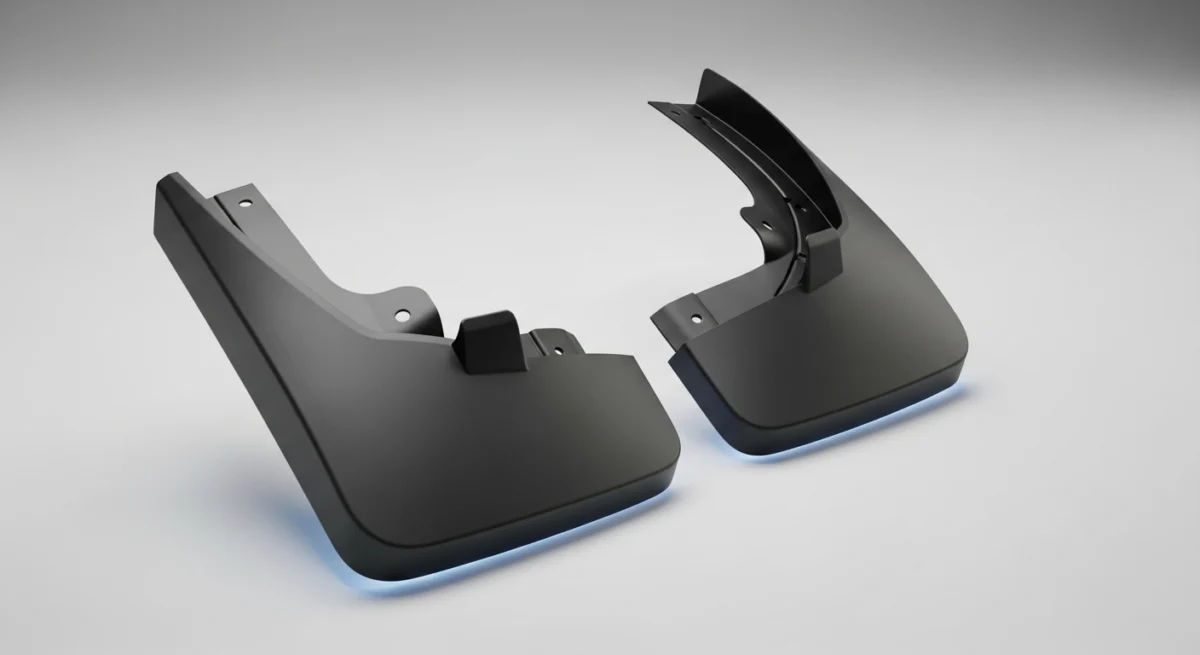
A mud flap, also known as a splash guard, is a rectangular piece of durable material, typically rubber, thermoplastic, or a composite material, that hangs behind the wheels of a vehicle. Its primary function is to deflect mud, water, rocks, snow, and other debris kicked up by the tires while the vehicle is in motion. By intercepting these projectiles, mud flaps prevent them from hitting other vehicles, pedestrians, or causing damage to the undercarriage, body panels, and suspension components of your own off-road rig. They work by creating a physical barrier, redirecting the trajectory of the debris downwards and preventing it from becoming a hazard. The effectiveness of a mud flap depends on its size, material, placement, and overall design.
Benefits and Key Features of Off-Road Mud Flaps
Investing in high-quality mud flaps for your off-road vehicle offers a multitude of benefits:
- Protection from Damage: The most obvious benefit is protecting your vehicle’s paint, undercarriage, and vulnerable components from chips, scratches, and dents caused by rocks and other debris. This helps maintain the vehicle’s resale value and prevents costly repairs.
- Enhanced Safety: Mud flaps significantly reduce the risk of projectiles hitting other vehicles, potentially causing damage or even accidents. They also improve visibility for following drivers in wet conditions by minimizing spray.
- Compliance with Regulations: Many states and provinces have regulations regarding mud flap requirements, particularly for larger vehicles or those operating on public roads. Installing mud flaps ensures you are compliant with these laws and avoid potential fines.
- Cleaner Vehicle: While not a complete solution, mud flaps do help to keep your vehicle cleaner by reducing the amount of mud and grime that splashes onto the body. This saves time and effort when washing your off-road machine.
- Customization and Aesthetics: Mud flaps are available in a variety of styles, colors, and materials, allowing you to customize your vehicle’s appearance and add a touch of personalization. Some even come with custom logos or designs.
Key features to look for in off-road mud flaps include:
- Durable Material: The material should be able to withstand the harsh conditions of off-roading, including impacts, abrasion, and exposure to extreme temperatures. Common materials include heavy-duty rubber, thermoplastic polymers (like polyurethane), and composite materials.
- Optimal Size and Coverage: The mud flap should be large enough to provide adequate coverage for the width of your tires and the expected trajectory of debris. Consider the tire size and lift of your vehicle when selecting the appropriate size.
- Adjustability: Some mud flap systems offer adjustable height or width, allowing you to fine-tune the coverage based on your specific needs and driving conditions.
- Flexibility: The mud flap should be flexible enough to bend and deflect upon impact, rather than cracking or breaking.
- Anti-Sail Design: Mud flaps can “sail” or flap excessively at high speeds, reducing their effectiveness and potentially causing damage. Look for mud flaps with anti-sail features, such as weighted bottoms, stiffeners, or aerodynamic designs.
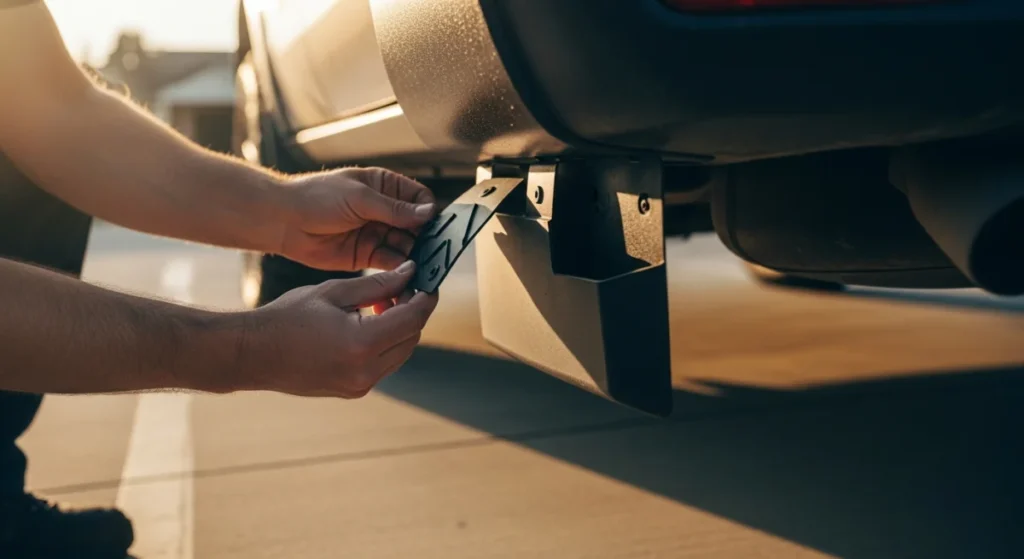
- Easy Installation: Choose a mud flap system that is easy to install with basic tools and comes with clear instructions. Many kits are designed to bolt directly to existing mounting points on your vehicle.
Installation Tips for Off-Road Mud Flaps
Installing mud flaps is typically a straightforward process, but here are some tips to ensure a successful installation:
- Read the Instructions: Always start by carefully reading the manufacturer’s instructions. This will provide specific guidance for your particular mud flap system and vehicle.
- Gather Your Tools: Make sure you have all the necessary tools before you begin, including wrenches, sockets, screwdrivers, a drill (if needed), and measuring tape.
- Test Fit: Before permanently attaching the mud flaps, test fit them to ensure they are properly aligned and provide adequate coverage.
- Use the Correct Hardware: Use the hardware provided with the mud flap kit. Using the wrong hardware can damage the mud flaps or your vehicle.
- Securely Fasten: Ensure all bolts and screws are securely tightened to prevent the mud flaps from coming loose during operation.
- Consider Mud Flap Hangers: If your off-roading is very intense or your mud flaps are consistently hitting rocks, investing in mud flap hangers can help keep them more secure.
Maintenance and Care for Longevity
Proper maintenance and care will extend the life of your mud flaps:
- Regular Cleaning: Wash your mud flaps regularly with soap and water to remove mud, dirt, and grime. This will help prevent them from becoming brittle or damaged.
- Inspect for Damage: Periodically inspect your mud flaps for cracks, tears, or other damage. Replace damaged mud flaps promptly to maintain their effectiveness.
- Check Hardware: Regularly check the mounting hardware to ensure it is tight and secure. Replace any loose or damaged hardware.
- Protect from UV Rays: If your mud flaps are made of rubber or plastic, consider applying a UV protectant to help prevent them from fading or cracking due to sun exposure.
- Be Mindful of Cold Weather: Extreme cold can make rubber and plastic brittle. Avoid hitting solid objects in these temperatures and be extra careful when maneuvering.
Top Buying Factors to Consider
Choosing the right mud flaps for your off-road vehicle depends on several factors:
- Vehicle Type and Size: Consider the size and type of your vehicle, including its wheelbase, ride height, and tire size.
- Off-Roading Style: How extreme is your off-roading? More intense trails require more durable and robust mud flaps.
- Material: Choose a material that is durable, flexible, and resistant to the elements. Common materials include rubber, thermoplastic, and composite materials.
- Size and Coverage: Ensure the mud flaps provide adequate coverage for your tires and driving conditions.
- Mounting Style: Choose a mounting style that is compatible with your vehicle and easy to install.
- Price: Mud flaps range in price from inexpensive to quite expensive. Set a budget and choose a mud flap that meets your needs and fits your budget.
- Aesthetics: Consider the style and appearance of the mud flaps. Choose a design that complements your vehicle’s overall look.
Essential FAQ Section
Here are some frequently asked questions about off-road mud flaps:
1. Are mud flaps required by law? Laws vary by state/province. Check your local regulations. Generally, larger vehicles and those frequently on public roads have stricter requirements. 2. Can I make my own mud flaps? Yes, it is possible, but ensure the material is durable and meets legal requirements. Consider the time and effort involved versus purchasing a pre-made kit. 3. How do I know what size mud flap to buy? Measure the width of your tires and the distance from the tire to the ground. Choose a mud flap that provides adequate coverage based on these measurements. Online sizing guides are also a good resource. 4. Do mud flaps affect fuel economy? While minimal, extremely large or poorly designed mud flaps can slightly reduce fuel economy due to increased drag. Choose a properly sized and aerodynamic design to minimize any impact. 5. Can I install mud flaps myself, or do I need a professional? Most mud flap kits are designed for DIY installation with basic tools. However, if you are uncomfortable with mechanical work or unsure about the installation process, it is best to seek professional assistance.
Conclusion
Mud flaps are more than just an aesthetic accessory; they are a crucial safety and protection component for any off-road vehicle. By understanding their benefits, key features, installation tips, and maintenance requirements, you can choose the right mud flaps for your needs and ensure they provide reliable performance for years to come. Investing in a quality set of mud flaps is an investment in the longevity and safety of your off-road rig, protecting both your vehicle and the environment.