Mud flaps: those seemingly simple additions to your vehicle that offer a surprising range of benefits. While often overlooked, these humble guards play a vital role in protecting your vehicle, fellow drivers, and the environment. Considering the constant barrage of road debris – rocks, mud, water, snow, and salt – that vehicles endure, it’s no wonder that the global mud flap market is projected to reach billions in the coming years. So, what exactly are mud flaps, and why should you consider them? Let’s dive deep into the world of mud flaps and explore everything you need to know.
Understanding Mud Flaps: Protection in Motion
What are Mud Flaps and How Do They Work?
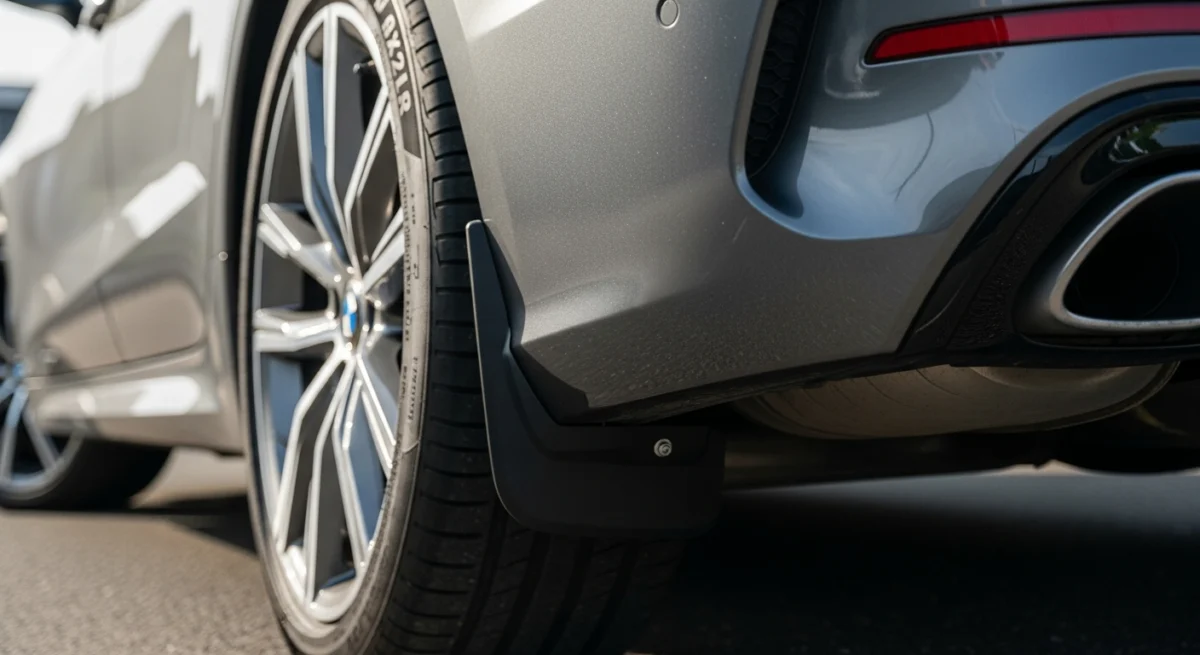
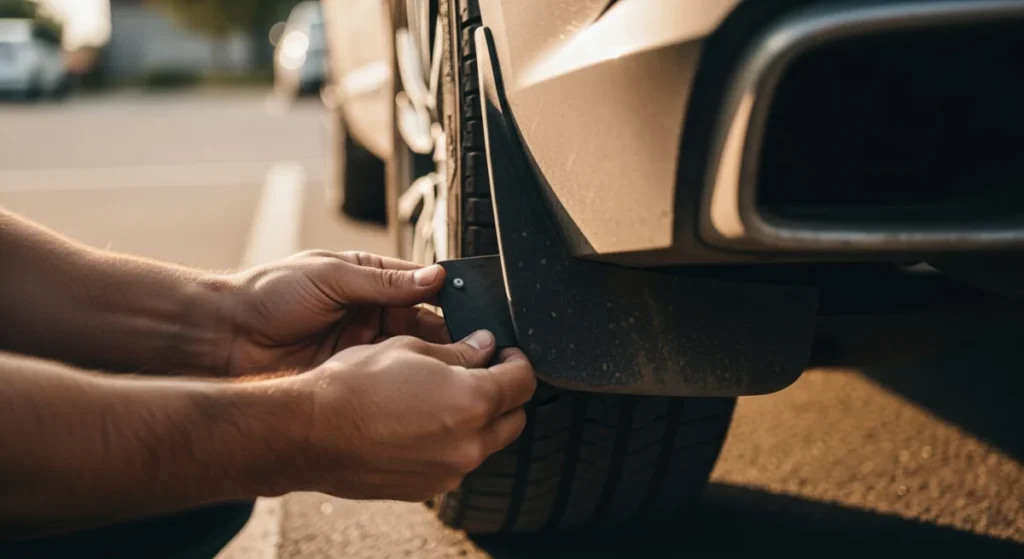
Mud flaps, also known as splash guards, mudguards, or stone deflectors, are typically rectangular sheets made of durable, flexible materials like rubber, thermoplastic, or composite materials. They are installed behind the tires, usually at the rear but sometimes also at the front, and their primary function is to intercept and deflect debris kicked up by the rotating tires.
Here’s how they work:
- Interception: As the tires spin, they fling water, mud, rocks, and other road grime outwards. Mud flaps are positioned to intercept this debris.
- Deflection: The angle and shape of the mud flap are designed to redirect the debris downwards, closer to the ground, rather than allowing it to spray out horizontally.
- Absorption: The flexible material of the mud flap absorbs some of the impact energy from the debris, further reducing the force and distance the projectiles travel.
Essentially, mud flaps act as a barrier, minimizing the spread of road spray and preventing damage from flying debris.
The Anatomy of a Good Mud Flap
While appearing simple, a well-designed mud flap incorporates several key elements:
- Material: The choice of material determines durability, flexibility, and resistance to weathering. Common materials include rubber, thermoplastic, and polypropylene. Heavier-duty vehicles often utilize thicker, more robust materials.
- Size and Shape: The dimensions of the mud flap should be appropriate for the size of the tire and the vehicle type. A wider and longer mud flap offers better coverage. The shape may be flat, contoured, or even have specialized grooves for improved water management.
- Mounting System: A secure and reliable mounting system is crucial to prevent the mud flap from tearing off or vibrating excessively. Common mounting methods include bolts, screws, and clamps.
- Weight and Rigidity: While flexibility is important, excessive flapping can be detrimental. A good mud flap strikes a balance between flexibility and rigidity to effectively deflect debris without creating excessive drag or noise.
Benefits and Key Features of Mud Flaps
Mud flaps offer a multitude of benefits that extend beyond just keeping your vehicle clean.
- Protecting Your Vehicle: The most obvious benefit is protection from damage caused by flying rocks and debris. This can prevent costly repairs to your vehicle’s paint, body panels, and undercarriage.
- Enhancing Safety: By reducing road spray, mud flaps improve visibility for following vehicles, especially during wet or snowy conditions. This significantly enhances safety for all drivers on the road.
- Preventing Damage to Other Vehicles: Flying debris can also damage other vehicles, leading to potential accidents or insurance claims. Mud flaps minimize this risk by containing the debris.
- Maintaining a Cleaner Vehicle: While not a complete solution, mud flaps significantly reduce the amount of mud, water, and grime that accumulates on your vehicle, making it easier to clean and maintain.
- Preserving the Environment: Mud flaps help prevent the spread of road salt and other pollutants into the environment by containing them within the vehicle’s wake.
- Legal Compliance: In many jurisdictions, mud flaps are legally required for certain types of vehicles, particularly trucks and trailers.
- Aesthetic Appeal: Some mud flaps are designed with custom shapes, logos, or colors, adding a touch of style to your vehicle.
Key Features to Look For
When selecting mud flaps, consider the following features:
- Anti-Spray Design: Some mud flaps incorporate specialized designs, such as grooves or textured surfaces, to further reduce road spray.
- Anti-Sail Design: These designs prevent the mud flap from catching wind and “sailing” outwards at high speeds, reducing drag and noise.
- UV Resistance: Look for materials that are resistant to UV degradation to prevent cracking and fading over time.
- Cold Weather Performance: Some materials become brittle in cold temperatures. Choose mud flaps that are specifically designed to withstand freezing conditions without cracking or breaking.
- Customizable Options: Many manufacturers offer customizable mud flaps with logos, colors, and personalized designs.
- Reinforced Construction: For heavy-duty applications, consider mud flaps with reinforced construction, such as multiple layers of material or embedded steel mesh.
Installation Tips for Mud Flaps
The installation process for mud flaps can vary depending on the vehicle make and model, as well as the type of mud flap being installed. However, here are some general tips:
- Read the Instructions: Always start by carefully reading the manufacturer’s instructions.
- Gather Your Tools: You will typically need basic hand tools such as a wrench, screwdriver, drill (if required), and measuring tape.
- Safety First: Wear safety glasses and gloves to protect yourself from debris and sharp edges.
- Locate Mounting Points: Identify the existing mounting points on your vehicle. Some vehicles may have pre-drilled holes, while others may require you to drill your own.
- Proper Alignment: Ensure that the mud flap is properly aligned with the tire and body panel before securing it in place.
- Use Appropriate Hardware: Use the hardware provided with the mud flaps, or purchase high-quality hardware if necessary.
- Tighten Securely: Tighten all bolts and screws securely to prevent the mud flap from vibrating or coming loose.
- Drilling: If drilling is required, use a drill bit that is the correct size for the mounting hardware. Be careful not to drill through any wires or hoses.
- Professional Installation: If you are not comfortable installing mud flaps yourself, consider having them professionally installed by a mechanic.
Maintenance and Care for Long-Lasting Protection
Proper maintenance can significantly extend the lifespan of your mud flaps.
- Regular Cleaning: Wash your mud flaps regularly with soap and water to remove dirt, mud, and grime.
- Inspection: Periodically inspect your mud flaps for cracks, tears, or loose hardware.
- Tighten Hardware: Tighten any loose bolts or screws to prevent the mud flap from vibrating or falling off.
- Replace Damaged Mud Flaps: Replace any damaged mud flaps immediately to maintain optimal protection.
- UV Protection: Apply a UV protectant spray to your mud flaps to prevent fading and cracking from sun exposure.
- Winter Care: In areas with harsh winters, consider using a rubber protectant spray to prevent the mud flaps from becoming brittle in cold temperatures.
- Avoid Harsh Chemicals: Avoid using harsh chemicals or solvents to clean your mud flaps, as they can damage the material.
Top Buying Factors for Mud Flaps
Choosing the right mud flaps requires careful consideration of several factors.
- Vehicle Type: The type of vehicle you drive (truck, car, SUV, RV) will influence the size and style of mud flap you need.
- Driving Conditions: Consider the types of roads you typically drive on (paved, gravel, dirt). If you frequently drive on rough terrain, you will need more durable and robust mud flaps.
- Material: Choose a material that is appropriate for your climate and driving conditions. Rubber is a good all-around option, while thermoplastic is more resistant to chemicals and UV damage.
- Size and Coverage: Select mud flaps that provide adequate coverage for your tires. Wider and longer mud flaps offer better protection.
- Mounting System: Choose a mud flap with a secure and reliable mounting system that is compatible with your vehicle.
- Aesthetics: Consider the style and color of the mud flaps to ensure they complement the look of your vehicle.
- Budget: Mud flaps range in price from inexpensive to premium options. Set a budget and choose mud flaps that offer the best value for your money.
- Brand Reputation: Choose mud flaps from a reputable manufacturer known for producing high-quality products.
- Customer Reviews: Read customer reviews to get an idea of the mud flaps’ performance and durability.
- Legal Requirements: Ensure that the mud flaps you choose meet any legal requirements in your jurisdiction.
Essential Mud Flap FAQs
Q: Are mud flaps legally required?
Yes, in many jurisdictions, mud flaps are legally required for certain types of vehicles, especially trucks and commercial vehicles. The specific requirements vary depending on the location, so it’s essential to check your local regulations.
Q: Can I install mud flaps myself?
In many cases, yes, you can install mud flaps yourself. However, the ease of installation will depend on the vehicle and the type of mud flap. Always read the manufacturer’s instructions carefully. If you’re uncomfortable with the process, consider professional installation.
Q: What’s the difference between rubber and thermoplastic mud flaps?
Rubber mud flaps are generally more flexible and resistant to tearing, while thermoplastic mud flaps are more resistant to chemicals and UV damage. Thermoplastic tends to be more rigid, too. The best choice depends on your specific needs and driving conditions.
Q: How often should I replace my mud flaps?
The lifespan of mud flaps depends on the material, driving conditions, and maintenance. Inspect them regularly for damage, and replace them as soon as you notice cracks, tears, or significant wear.
Q: Can mud flaps improve my gas mileage?
While the impact is minimal, mud flaps with an anti-sail design can slightly improve gas mileage by reducing aerodynamic drag.
Conclusion: Investing in Protection
Mud flaps are a small investment that can yield significant returns in terms of vehicle protection, safety, and environmental responsibility. By understanding the benefits, features, installation, and maintenance of mud flaps, you can make an informed decision and choose the right ones for your vehicle. Don’t overlook these humble guards – they play a vital role in keeping you, your vehicle, and other drivers safe on the road.