Molded Mud Flaps: The Ultimate Guide to Protection and Style
Tired of rock chips and road spray ruining your vehicle’s finish? You’re not alone. Studies show that vehicles without adequate mud flap protection experience paint damage up to 30% faster than those with. Molded mud flaps are a simple yet highly effective solution to this problem, offering superior protection and a custom look. In this comprehensive guide, we’ll delve into everything you need to know about molded mud flaps, from their functionality and benefits to installation and maintenance.
What Are Molded Mud Flaps?
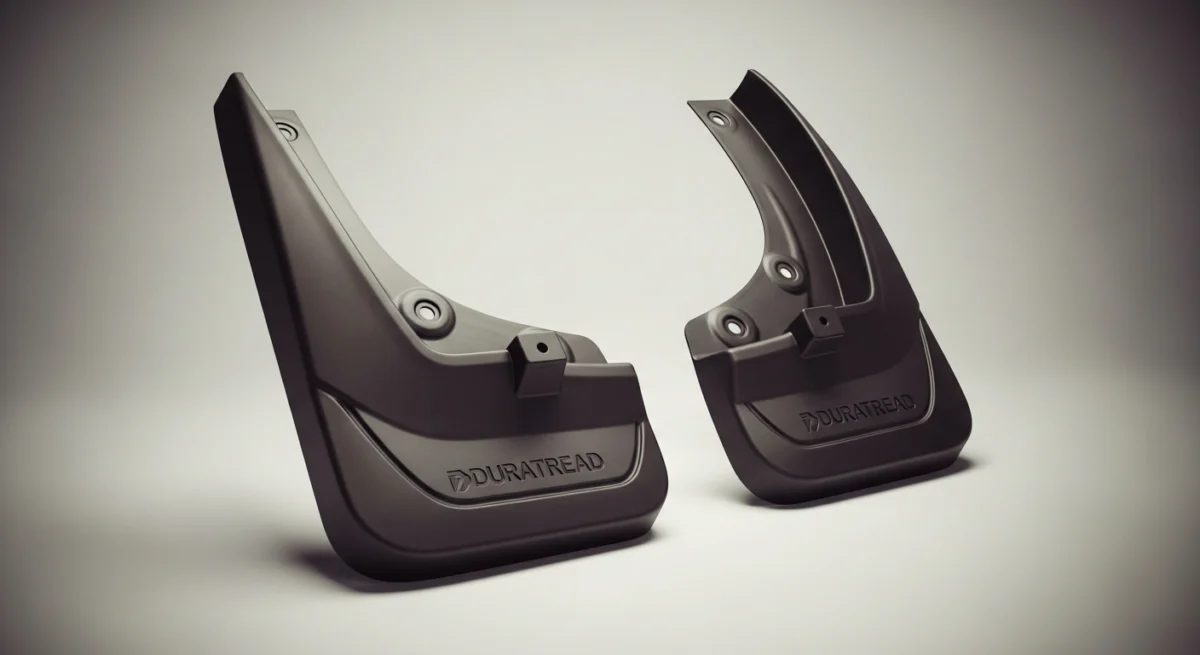
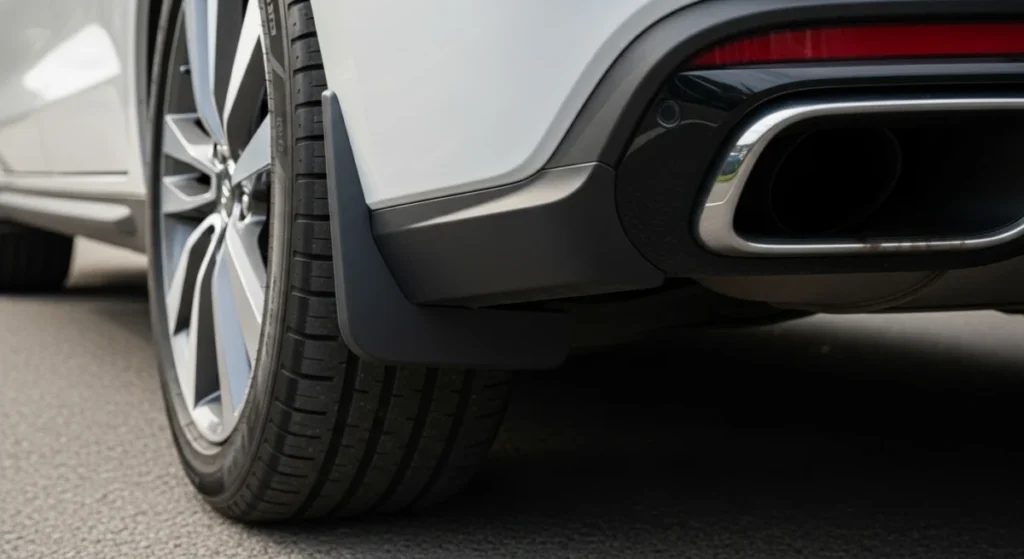
Molded mud flaps, also known as splash guards or mud guards, are protective shields typically made of a durable polymer material, such as polyethylene or thermoplastic olefin (TPO). Unlike generic, flat mud flaps, molded mud flaps are specifically designed to conform to the contours of a particular vehicle’s fender wells. This custom fit provides superior coverage and a cleaner, more integrated appearance.
How Molded Mud Flaps Work
The primary function of molded mud flaps is to intercept and deflect debris thrown up by the tires, including:
- Rocks
- Mud
- Water
- Snow
- Salt
- Tar
By preventing these projectiles from hitting the vehicle’s body panels, molded splash guards significantly reduce the risk of scratches, chips, and corrosion. They also help to keep the vehicle cleaner, reducing the frequency of washes. The molded design channels debris downwards, further minimizing spray and improving visibility for following drivers. Beyond vehicle protection, mud flaps contribute to road safety by reducing the amount of debris kicked up that could potentially damage other vehicles or obstruct the view of other drivers.
Benefits and Key Features of Molded Mud Flaps
Investing in a set of molded mud flaps offers a wide range of benefits, making them a worthwhile addition to any vehicle.
- Superior Protection: This is the most significant advantage. Molded mud flaps provide unparalleled protection against road debris, minimizing damage to your vehicle’s paint and body. They shield vulnerable areas like rocker panels, door panels, and bumpers.
- Custom Fit and Appearance: The molded design ensures a perfect fit to your vehicle’s fender wells, creating a clean, factory-installed look. This enhances the overall aesthetics of your vehicle, rather than detracting from it like universal flaps often do. Precision fitment is key.
- Enhanced Resale Value: By protecting your vehicle from damage and maintaining its appearance, molded mud flaps can help preserve its resale value. A vehicle in good condition is always more attractive to potential buyers.
- Improved Safety: Reducing spray and debris kicked up by your tires improves visibility for other drivers, contributing to safer driving conditions, especially in wet or snowy weather. This enhanced road safety benefit is not just about protecting your car, but others as well.
- Durability and Longevity: Made from durable materials like TPO, molded mud flaps are designed to withstand harsh weather conditions, road salts, and impacts from debris. They are built to last, providing years of reliable protection. Material quality is paramount.
- Easy to Clean: The smooth surface of most molded mud flaps makes them easy to clean with soap and water. Regular cleaning helps maintain their appearance and prevents the buildup of grime and debris.
Installation Tips for Molded Mud Flaps
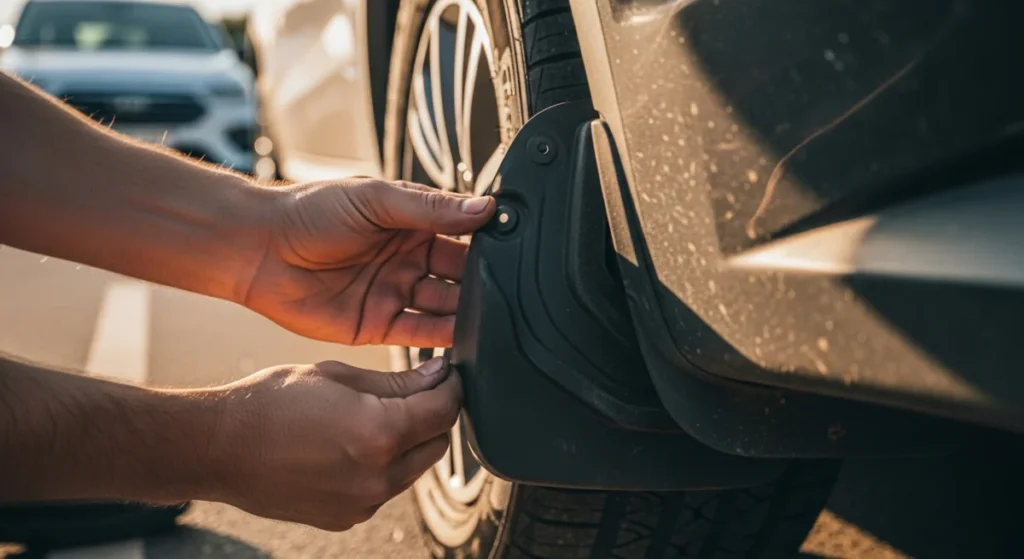
While professional installation is always an option, many molded mud flap kits are designed for easy DIY installation. Here are some tips to ensure a smooth and successful installation:
- Gather Your Tools: You will typically need a screwdriver (Phillips or flathead, depending on the fasteners), a socket wrench, and possibly a drill. A trim removal tool can also be helpful.
- Read the Instructions Carefully: Every kit comes with specific instructions tailored to your vehicle model. Take the time to read and understand the instructions before you begin.
- Clean the Installation Area: Before attaching the mud flaps, thoroughly clean the area around the fender wells to remove any dirt, grime, or debris. This will ensure a secure and long-lasting attachment. Use a degreaser if necessary.
- Use Existing Mounting Points: Most molded mud flap kits are designed to utilize existing mounting points on your vehicle. This simplifies the installation process and eliminates the need for drilling.
- Ensure Proper Alignment: Before tightening the fasteners, make sure the mud flap is properly aligned with the fender well. This will ensure a clean and aesthetically pleasing appearance.
- Don’t Over-Tighten: Over-tightening the fasteners can damage the mud flap or the vehicle’s body panels. Tighten them securely, but avoid applying excessive force.
- Exercise Caution When Drilling (If Required): If the kit requires drilling, use caution and follow the instructions carefully. Use the correct drill bit size and avoid drilling through any wires or hoses. Always wear safety glasses.
- Consider a Professional: If you’re uncomfortable with any aspect of the installation process, don’t hesitate to seek professional assistance. A qualified mechanic can ensure a proper and secure installation.
Maintenance and Care for Molded Mud Flaps
Molded mud flaps require minimal maintenance, but a few simple steps can help keep them looking their best and prolong their lifespan.
- Regular Cleaning: Wash your mud flaps regularly with soap and water to remove dirt, grime, and road salt. This will prevent the buildup of debris that can cause discoloration or damage.
- Inspect for Damage: Periodically inspect your mud flaps for cracks, tears, or other damage. Replace any damaged mud flaps promptly to maintain their protective function.
- Avoid Harsh Chemicals: Avoid using harsh chemicals or abrasive cleaners on your mud flaps, as these can damage the finish.
- Protect from UV Rays: Prolonged exposure to UV rays can cause some materials to fade or become brittle. Consider applying a UV protectant to your mud flaps to help prevent this. This is particularly important in areas with intense sunlight.
- Winter Care: In regions with heavy snowfall and road salting, be sure to wash your mud flaps frequently to remove salt buildup. Salt can accelerate corrosion and damage the mud flaps.
Top Buying Factors for Molded Mud Flaps
Choosing the right molded mud flaps for your vehicle involves considering several key factors.
- Vehicle Compatibility: This is the most crucial factor. Ensure that the mud flaps you choose are specifically designed for your vehicle’s make, model, and year.
- Material Quality: Look for mud flaps made from durable materials like TPO or high-density polyethylene. These materials are resistant to impacts, chemicals, and extreme temperatures.
- Coverage Area: Consider the amount of coverage the mud flaps provide. Larger mud flaps offer more protection, but may also affect the vehicle’s ground clearance. Find the right balance for your needs.
- Installation Method: Choose a kit that is easy to install and utilizes existing mounting points on your vehicle. Avoid kits that require extensive drilling or modifications.
- Aesthetics: Select mud flaps that complement your vehicle’s styling and color. Many manufacturers offer mud flaps in a variety of colors and finishes.
- Price: While price is always a consideration, don’t compromise on quality. Investing in a durable and well-fitting set of mud flaps will save you money in the long run by protecting your vehicle from damage.
- Brand Reputation: Research the manufacturer and read reviews to ensure you are purchasing from a reputable brand known for quality and customer service.
Essential FAQ About Molded Mud Flaps
- Q: Are molded mud flaps better than universal mud flaps?
A: Yes, molded mud flaps generally offer superior protection and a cleaner appearance due to their custom fit. Universal mud flaps may require modification and often don’t provide as much coverage.
- Q: Will mud flaps affect my vehicle’s fuel economy?
A: The impact on fuel economy is minimal. While they do add a small amount of weight and potentially increase drag, the difference is usually negligible for most drivers.
- Q: Can I install mud flaps myself, or should I hire a professional?
A: Many molded mud flap kits are designed for DIY installation, but if you’re not comfortable working on your vehicle, it’s always best to hire a professional.
- Q: How long do molded mud flaps typically last?
A: With proper care, molded mud flaps can last for several years. Their lifespan depends on factors such as material quality, driving conditions, and maintenance practices.
- Q: Do mud flaps protect other vehicles from rocks and debris?
A: Yes, mud flaps help to reduce the amount of debris kicked up by your tires, which can help to protect other vehicles on the road and improve overall safety.
Conclusion
Molded mud flaps are a valuable investment for any vehicle owner looking to protect their vehicle from damage, maintain its appearance, and improve road safety. By understanding the benefits, installation tips, maintenance requirements, and buying factors outlined in this guide, you can make an informed decision and choose the perfect set of molded mud flaps for your needs. Happy driving!