SUVs: They’re the kings and queens of the road, offering space, power, and the capability to tackle various terrains. But with that capability comes a certain responsibility – protecting your vehicle and those around you from the inevitable debris kicked up by those rugged tires. Enter the unsung hero of vehicle protection: the SUV mud flap. While often overlooked, these simple accessories play a vital role in maintaining your SUV’s condition and ensuring safer driving conditions. Think of them as your SUV’s personal bodyguard against road grime. In fact, studies show that vehicles equipped with mud flaps experience significantly less paint damage and require fewer car washes. Let’s delve deep into the world of SUV mud flaps and discover why they’re an essential addition to your ride.
What are SUV Mud Flaps and How Do They Work?
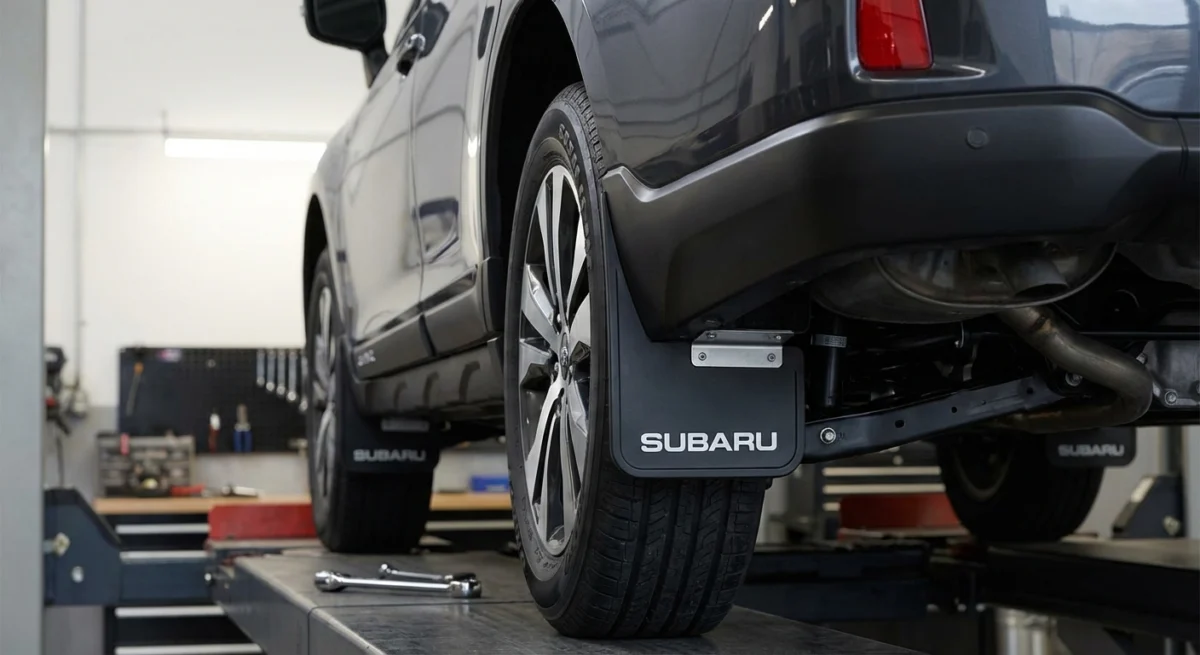
At their core, SUV mud flaps (sometimes called splash guards) are barriers strategically positioned behind your SUV’s tires. Their primary function is to intercept and deflect mud, water, rocks, snow, and other road debris thrown up by the rotating wheels. They act as shields, preventing this spray from hitting your vehicle’s paint, undercarriage, and even nearby vehicles.
The Physics Behind the Protection
The effectiveness of mud flaps relies on basic physics. As your tires spin, they propel debris outward and backward. Without mud flaps, this debris would be launched directly towards the rear of your vehicle and surrounding traffic. Mud flaps, however, create a physical obstruction, forcing the debris to lose momentum and fall to the ground. The shape, size, and material of the mud flap all contribute to its ability to effectively redirect and dissipate this debris. Think of it as a controlled release system for unwanted road grime!
Benefits and Key Features of SUV Mud Flaps
The advantages of installing mud flaps extend far beyond just keeping your SUV clean. They offer a range of benefits that contribute to the vehicle’s longevity, safety, and overall value.
Protecting Your Investment
- Paint Protection: This is arguably the most significant benefit. Mud flaps prevent chipping and scratching caused by flying rocks and debris, preserving your SUV’s paint job and resale value. Even small chips can lead to rust over time, so prevention is key.
- Undercarriage Preservation: The undercarriage of your SUV is constantly exposed to harsh elements. Mud flaps help minimize corrosion and damage from road salt, grime, and water, extending the life of critical components.
- Reduced Cleaning: Less debris hitting your SUV means fewer trips to the car wash. Mud flaps significantly reduce the amount of mud and dirt that accumulate on your vehicle’s exterior.
Enhancing Safety
- Improved Visibility: Mud flaps reduce spray, improving visibility for drivers behind you, especially in wet or snowy conditions. This is crucial for preventing accidents.
- Protection for Other Vehicles: Flying rocks and debris can cause damage to vehicles following behind you. Mud flaps help minimize this risk, promoting safer driving for everyone.
- Compliance with Regulations: In some regions, mud flaps are legally required for certain types of vehicles, particularly those with oversized tires or lifted suspensions.
Key Features to Look For
- Material: Common materials include rubber, thermoplastic, and molded plastic. Rubber offers flexibility and durability, while thermoplastic provides strength and rigidity. Molded plastic can be custom-shaped for a precise fit.
- Size and Shape: Mud flaps come in various sizes and shapes. Choose a size that adequately covers the width of your tires and extends low enough to effectively catch debris. Universal or custom fit is also a key choice to make.
- Construction Quality: Look for mud flaps made from high-quality materials with reinforced mounting points. This ensures they can withstand the rigors of daily driving and harsh weather conditions.
- Style and Aesthetics: While functionality is paramount, you can also choose mud flaps that complement your SUV’s overall style. Many options are available in different colors and designs. Some even offer customizable logos.
Installation Tips for Your Mud Flaps
Installing mud flaps is often a straightforward process that can be done at home with basic tools. However, it’s essential to follow the manufacturer’s instructions carefully to ensure a secure and proper fit.
Step-by-Step Guide (General)
1. Gather Your Tools: You’ll typically need a screwdriver or socket wrench, measuring tape, a drill (if necessary), and safety glasses. 2. Clean the Area: Thoroughly clean the area behind the tires where the mud flaps will be installed. Remove any dirt, grime, or debris. 3. Position the Mud Flap: Hold the mud flap in place and align it with the mounting holes on your SUV’s fender or wheel well. 4. Mark the Holes: Use a marker to indicate the location of the mounting holes on the mud flap. 5. Drill (If Necessary): If your SUV doesn’t have pre-drilled holes, you’ll need to drill pilot holes at the marked locations. Use a drill bit that is slightly smaller than the size of the mounting screws. 6. Attach the Mud Flap: Secure the mud flap to the fender or wheel well using the provided screws or fasteners. Tighten the screws securely, but don’t overtighten them, as this could damage the mud flap or the vehicle. 7. Repeat for Remaining Mud Flaps: Follow the same steps for the remaining mud flaps.
Important Considerations
- Consult the Manufacturer’s Instructions: Always refer to the specific instructions provided by the mud flap manufacturer. These instructions may vary depending on the make and model of your SUV.
- Safety First: Wear safety glasses to protect your eyes from debris.
- Proper Alignment: Ensure that the mud flaps are properly aligned and positioned to provide optimal protection.
- Professional Installation: If you’re not comfortable installing the mud flaps yourself, consider having them installed by a professional mechanic.
Maintenance and Care
Mud flaps are relatively low-maintenance accessories, but a little care can go a long way in extending their lifespan.
Cleaning and Inspection
- Regular Cleaning: Wash your mud flaps regularly with soap and water to remove dirt and grime.
- Inspect for Damage: Periodically inspect your mud flaps for cracks, tears, or other damage. Replace them if necessary.
- Check Mounting Hardware: Ensure that the mounting screws or fasteners are tight and secure.
Winter Care
- Remove Ice and Snow: Clear any accumulated ice and snow from your mud flaps to prevent them from becoming brittle and cracking.
- Salt Removal: Rinse your mud flaps with water after driving on roads treated with salt to prevent corrosion.
Top Buying Factors for SUV Mud Flaps
Choosing the right mud flaps for your SUV involves considering several factors to ensure you get the best possible protection and value.
Vehicle Compatibility
- Make and Model: Ensure that the mud flaps are specifically designed for your SUV’s make and model.
- Wheel and Tire Size: Consider the size of your wheels and tires. Larger tires may require larger mud flaps for adequate coverage.
- Lifted Suspension: If your SUV has a lifted suspension, you’ll need mud flaps that are long enough to provide sufficient protection.
Material Quality
- Durability: Choose mud flaps made from durable materials that can withstand the rigors of daily driving and harsh weather conditions.
- Flexibility: Flexible materials like rubber are less likely to crack or break upon impact.
- UV Resistance: Look for mud flaps that are UV resistant to prevent fading and discoloration over time.
Installation Ease
- Pre-Drilled Holes: Mud flaps with pre-drilled holes are easier to install.
- Mounting Hardware: Ensure that the mud flaps come with all the necessary mounting hardware.
- Instructions: Clear and concise installation instructions are essential.
Price and Warranty
- Budget: Determine your budget and choose mud flaps that offer the best value for your money.
- Warranty: Look for mud flaps that come with a warranty to protect against defects in materials and workmanship.
Essential FAQ Section
- Q: Are mud flaps legally required in all states?
- A: No, mud flap requirements vary by state. Some states have specific regulations regarding the size and placement of mud flaps, particularly for trucks and SUVs with oversized tires. Check your local laws to ensure compliance.
- Q: Can I install mud flaps myself, or do I need a professional?
- A: In many cases, you can install mud flaps yourself with basic tools. However, if you’re not comfortable with DIY projects or your SUV requires drilling, professional installation is recommended.
- Q: What’s the difference between universal and custom-fit mud flaps?
- A: Universal mud flaps are designed to fit a wide range of vehicles, while custom-fit mud flaps are specifically designed for a particular make and model. Custom-fit mud flaps typically offer a more precise fit and better aesthetics.
- Q: How often should I replace my mud flaps?
- A: The lifespan of mud flaps depends on various factors, including the material, driving conditions, and maintenance. Inspect your mud flaps regularly and replace them if you notice cracks, tears, or significant damage.
- Q: Will mud flaps affect my SUV’s fuel economy?
- A: The impact on fuel economy is minimal. While mud flaps do add a small amount of weight and aerodynamic drag, the effect is generally negligible.
Conclusion
SUV mud flaps are a simple yet highly effective way to protect your vehicle from damage, enhance safety, and maintain its value. By understanding their benefits, key features, and installation considerations, you can make an informed decision and choose the right mud flaps for your SUV. Don’t underestimate the power of these unsung heroes – they’re a worthwhile investment for any SUV owner looking to keep their vehicle looking its best and performing at its peak. So, go ahead and give your SUV the protection it deserves!