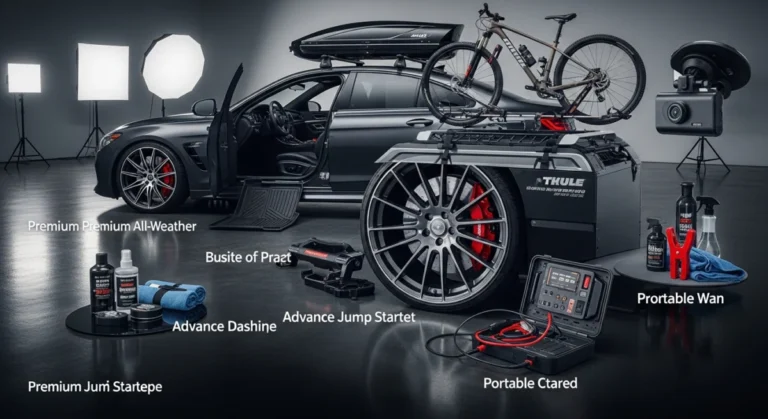
Have you ever found yourself packing for a family vacation, ski trip, or camping adventure, only to realize you’ve grossly underestimated your cargo space? You’re not alone! Many vehicle owners face this challenge, and that’s where a roof box comes to the rescue. Imagine adding up to 22 cubic feet of extra storage to your car – that’s the potential of a good roof box. According to recent market research, the roof box market is experiencing significant growth (projected to reach $1.5 billion by 2027), indicating an increasing demand for this convenient storage solution. This guide will provide a comprehensive understanding of roof boxes, empowering you to make an informed decision for your travel needs.
What is a Roof Box and How Does it Work?
A roof box, also known as a cargo carrier or luggage box, is an aerodynamic container designed to be mounted on the roof of a vehicle. Its primary function is to provide additional storage space for luggage, sporting equipment, camping gear, and other bulky items.
Understanding the Mechanics
A roof box attaches to the vehicle’s roof using a roof rack system. This system typically consists of two or more crossbars that span the width of the vehicle’s roof. The roof box then clamps or bolts onto these crossbars, ensuring a secure and stable attachment. The aerodynamic design minimizes wind resistance and noise while driving. Most boxes feature a hinged lid that opens to allow access to the contents, and many come with locking mechanisms for security. The internal design can include straps or nets to secure the load and prevent items from shifting during transport.
Benefits and Key Features of a Roof Box
Investing in a roof box offers a multitude of benefits that extend beyond simply increasing cargo space.
Expanding Cargo Capacity
The most obvious benefit is the increased cargo capacity. Roof boxes typically range in size from 10 to 22 cubic feet, providing ample space for skis, snowboards, camping gear, strollers, and other bulky items that might not fit inside the vehicle.
Protecting Your Belongings
Roof boxes offer superior protection from the elements compared to open roof racks. They shield your belongings from rain, snow, dirt, and UV rays, ensuring they arrive at your destination in good condition. They also provide security, as most roof boxes come with locking mechanisms to deter theft.
Improving Vehicle Comfort
By moving bulky items to the roof, you free up valuable space inside the vehicle, making the journey more comfortable for passengers. This is especially beneficial on long road trips where legroom and personal space are paramount.
Enhancing Vehicle Aerodynamics
While a roof box will impact fuel economy to some extent, modern designs are engineered to be aerodynamic, minimizing wind resistance and drag. This helps to reduce the negative impact on fuel efficiency.
Key Features to Look For
- Aerodynamic Design: Look for boxes with a streamlined shape to minimize wind noise and drag.
- Durable Construction: Choose a box made from high-quality, UV-resistant materials like ABS plastic or ASA plastic for long-lasting performance.
- Ease of Installation: Opt for a box with a user-friendly mounting system that allows for quick and easy installation and removal.
- Locking Mechanism: Ensure the box has a secure locking mechanism to protect your belongings from theft.
- Size and Capacity: Select a box that is appropriately sized for your vehicle and meets your storage needs.
- Opening Mechanism: Consider whether a side-opening or rear-opening box is more convenient for your vehicle and loading habits.
- Weight Capacity: Always check the weight capacity of both the roof box and your vehicle’s roof rack system to avoid overloading.
Installation Tips for Your Roof Box
Proper installation is crucial for ensuring the safety and stability of your roof box. While professional installation is always an option, many roof boxes are designed for DIY installation.
Pre-Installation Checks
- Read the Manual: Always read the manufacturer’s instructions carefully before attempting to install the roof box.
- Vehicle Compatibility: Ensure the roof box is compatible with your vehicle’s roof rack system.
- Weight Distribution: Plan how you will distribute the weight inside the box to maintain balance and stability.
- Inspect the Roof Rack: Check that your roof rack is securely attached to your vehicle and in good condition.
- Gather Tools: Have all the necessary tools on hand, such as wrenches, screwdrivers, and measuring tape.
Step-by-Step Installation
1. Position the Crossbars: Ensure the crossbars are spaced correctly according to the roof box manufacturer’s instructions. 2. Lift the Roof Box: Carefully lift the roof box onto the crossbars. It’s helpful to have a second person assist with this step. 3. Align the Box: Center the roof box on the crossbars and align it with the vehicle’s roof. 4. Attach the Clamps: Secure the roof box to the crossbars using the provided clamps or mounting hardware. Tighten the clamps evenly to ensure a secure fit. 5. Double-Check the Installation: Once the box is securely attached, double-check all the clamps to ensure they are properly tightened. Wiggle the box gently to confirm it is stable. 6. Load the Box: Load your belongings into the box, distributing the weight evenly. Use straps or nets to secure the load. 7. Test Drive: Before embarking on a long journey, take a short test drive to ensure the roof box is securely attached and does not create excessive wind noise or vibration.
Maintenance and Care for Longevity
Proper maintenance and care will help extend the lifespan of your roof box and ensure it performs optimally for years to come.
Regular Cleaning
Clean the roof box regularly with mild soap and water to remove dirt, grime, and road salt. Avoid using harsh chemicals or abrasive cleaners, as these can damage the finish. Rinse thoroughly and allow to air dry.
UV Protection
Apply a UV protectant spray or wax to the roof box periodically to protect it from sun damage. This will help prevent fading and cracking.
Storage
When not in use, store the roof box in a cool, dry place, away from direct sunlight. Consider using a roof box storage lift or hoist to make storage easier.
Inspect for Damage
Regularly inspect the roof box for any signs of damage, such as cracks, dents, or loose hardware. Repair any damage promptly to prevent it from worsening. Check the locking mechanism and hinges to ensure they are functioning properly.
Lubrication
Lubricate the locking mechanism and hinges with a silicone-based lubricant to keep them working smoothly.
Tighten Hardware
Periodically check all the mounting hardware and tighten any loose bolts or screws.
Top Buying Factors to Consider Before Purchasing
Choosing the right roof box requires careful consideration of several factors.
Vehicle Compatibility
Ensure the roof box is compatible with your vehicle’s roof rack system. Check the manufacturer’s specifications to confirm that the box will fit properly and securely. Consider the length and width of your vehicle’s roof.
Size and Capacity
Select a roof box that is appropriately sized for your vehicle and meets your storage needs. Consider the type and amount of gear you will be transporting. Think about the internal dimensions and whether it can hold skis, snowboards, or other longer items.
Aerodynamics and Fuel Efficiency
Look for a roof box with an aerodynamic design to minimize wind resistance and drag. This will help to reduce the negative impact on fuel efficiency. Read reviews and compare the aerodynamic performance of different models.
Material and Durability
Choose a roof box made from high-quality, UV-resistant materials like ABS plastic or ASA plastic for long-lasting performance. Consider the thickness of the material and the overall construction quality.
Ease of Use
Opt for a roof box with a user-friendly mounting system that allows for quick and easy installation and removal. Consider the opening mechanism and whether a side-opening or rear-opening box is more convenient for your vehicle and loading habits.
Price
Roof boxes range in price from a few hundred dollars to over a thousand dollars. Consider your budget and choose a box that offers the best value for your money. Remember that a higher price often reflects better quality and features.
Safety Standards
Ensure the roof box meets all relevant safety standards and certifications. Check for certifications from organizations such as TÜV or GS.
Essential FAQs About Roof Boxes
Here are some frequently asked questions about roof boxes:
Q: Will a roof box affect my gas mileage?
A: Yes, a roof box will typically reduce gas mileage by 1-5 MPG. Aerodynamic designs and proper loading can minimize this impact.
Q: Are roof boxes waterproof?
A: Most roof boxes are water-resistant, meaning they can withstand rain and snow. However, some may not be completely waterproof in heavy downpours.
Q: Can I leave my roof box on my car all the time?
A: Yes, you can leave your roof box on your car all the time, but it’s recommended to remove it when not in use to improve gas mileage and reduce wear and tear.
Q: How do I prevent my roof box from being stolen?
A: Choose a roof box with a secure locking mechanism. Consider using additional security measures, such as locking straps or cables. Always park your car in well-lit areas.
Q: What is the weight limit for a roof box?
A: The weight limit for a roof box varies depending on the model. Always check the manufacturer’s specifications to avoid overloading. Also check your vehicle’s roof rack weight capacity.
Conclusion
A roof box is an invaluable accessory for anyone who needs extra storage space for their vehicle. By understanding the benefits, features, installation process, maintenance requirements, and key buying factors, you can confidently choose the right roof box to meet your specific needs. Whether you’re planning a family vacation, a ski trip, or a camping adventure, a roof box will provide the extra space and protection you need to travel in comfort and style. Consider your needs, do your research, and invest in a roof box that will serve you well for years to come.