The open road beckons, promising adventure, family vacations, and weekend getaways. But there’s often a familiar roadblock: not enough cargo space! Packing light is a noble goal, but sometimes reality demands more. According to a recent survey, over 60% of car owners have experienced space constraints during travel. That’s where the unsung hero of road trips steps in: the rooftop cargo carrier. This guide provides a deep dive into these trusty companions, ensuring you make the right choice for your vehicle and your adventures.
What is a Rooftop Cargo Carrier and How Does it Work?
A rooftop cargo carrier, also known as a roof box, is a weatherproof container designed to attach to the roof of a vehicle, significantly increasing its cargo capacity. They come in a variety of shapes, sizes, and materials, allowing you to transport luggage, camping gear, sports equipment, and more, securely and out of the elements.
How They Work: The Mechanics of Rooftop Cargo
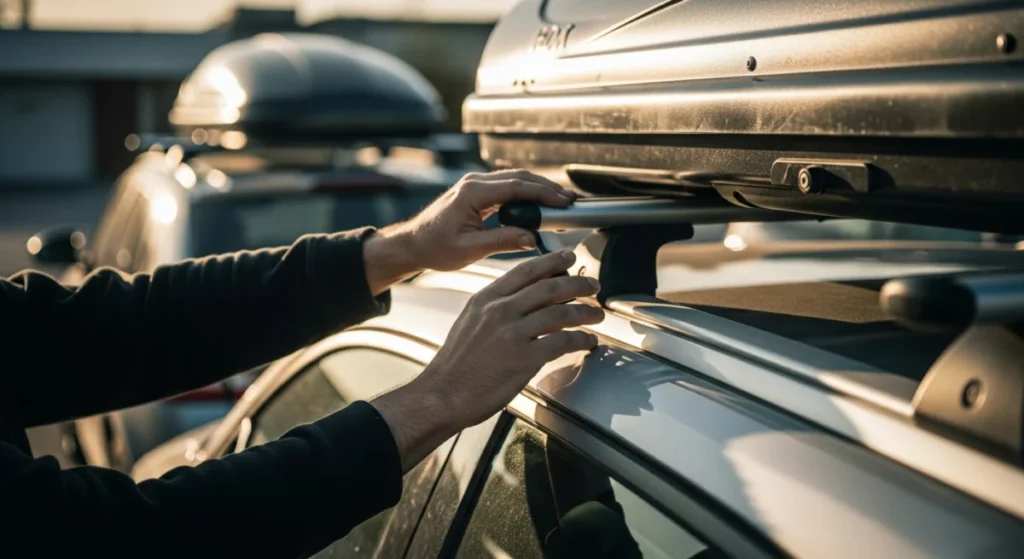
The core principle is simple: leverage the often-unused space on your roof. Most carriers attach to existing roof racks – either factory-installed or aftermarket solutions. These racks consist of crossbars that span the width of the vehicle’s roof. The carrier then secures to these crossbars using various mounting mechanisms, typically clamps or U-bolts. Once installed, the carrier provides an enclosed, lockable space accessible via a hinged lid.
Different mounting systems offer varying degrees of security and ease of installation. Some premium models feature tool-free mounting systems, simplifying the process considerably. Regardless of the system, proper installation is crucial for safety and preventing damage to your vehicle or the carrier.
Benefits and Key Features of Rooftop Cargo Carriers
Why choose a rooftop cargo carrier over other cargo solutions? The benefits are numerous:
- Increased Cargo Capacity: This is the primary benefit. Carriers significantly expand your vehicle’s carrying capacity, freeing up space inside the car for passengers and pets.
- Weather Protection: Keep your belongings safe from rain, snow, sun, and road debris. Many carriers are constructed from durable, UV-resistant materials.
- Security: Lockable carriers deter theft, providing peace of mind when stopping during your travels.
- Organization: Separate your luggage from passengers, creating a more comfortable and organized travel experience.
- Aerodynamics: Modern designs are engineered to minimize wind resistance and noise, reducing fuel consumption.
- Versatility: Suitable for various activities, from family vacations to camping trips and sporting events.
Key Features to Look For
When selecting a rooftop cargo carrier, consider these essential features:
- Size and Capacity: Measured in cubic feet, choose a size that fits your vehicle and meets your cargo needs.
- Material: ABS plastic is common, offering a balance of durability and affordability. Premium carriers may use more robust materials like ASA or multi-layer plastics.
- Mounting System: Evaluate the ease of installation and compatibility with your roof rack. Tool-free systems are particularly convenient.
- Opening Mechanism: Consider dual-side opening for easier access from either side of the vehicle.
- Locking Mechanism: Choose a secure locking system to prevent theft. Some carriers feature multiple locking points.
- Aerodynamic Design: Look for features like a tapered shape and integrated spoilers to minimize wind resistance and noise.
- Durability: Ensure the carrier is built to withstand harsh weather conditions and the rigors of travel.
- Weight Capacity: Be mindful of the maximum weight capacity of both the carrier and your vehicle’s roof rack. Overloading can be dangerous.
Installation Tips for Rooftop Cargo Carriers
Proper installation is vital for safety and preventing damage. Here are some essential tips:
- Read the Instructions: Always read and understand the manufacturer’s instructions before attempting installation.
- Check Roof Rack Compatibility: Ensure the carrier is compatible with your vehicle’s roof rack system.
- Even Weight Distribution: Distribute weight evenly inside the carrier to maintain balance and stability.
- Secure Mounting: Double-check that all mounting hardware is securely fastened.
- Proper Positioning: Position the carrier according to the manufacturer’s recommendations to minimize wind resistance. Usually this is centered.
- Test Drive: After installation, take a short test drive to ensure everything is secure and there are no unexpected noises or vibrations.
- Torque Specifications: Use a torque wrench, if specified, to achieve the correct tightening force for mounting hardware.
- Professional Installation: Consider professional installation if you are unsure or uncomfortable with the process.
Step-by-step general installation process:
1. Prepare the carrier: Unpack the carrier and inspect for any damage. Gather the necessary tools and hardware. 2. Position the carrier: Carefully lift the carrier onto the roof rack, centering it between the crossbars. 3. Attach the mounting hardware: Align the carrier’s mounting points with the crossbars and attach the clamps or U-bolts. 4. Tighten the hardware: Gradually tighten the mounting hardware, ensuring even pressure on all points. 5. Double-check: Verify that all hardware is securely fastened and the carrier is stable. 6. Test: Conduct a test drive at varying speeds.
Maintenance and Care for Your Rooftop Companion
Proper maintenance extends the life of your rooftop cargo carrier and ensures its continued performance.
- Regular Cleaning: Wash the carrier regularly with mild soap and water to remove dirt, road grime, and insects.
- UV Protection: Apply a UV protectant spray to prevent fading and cracking from sun exposure.
- Inspect for Damage: Periodically inspect the carrier for cracks, dents, or other damage. Repair any damage promptly.
- Lubricate Hinges and Locks: Use a silicone-based lubricant to keep hinges and locks functioning smoothly.
- Proper Storage: When not in use, store the carrier in a dry, protected location to prevent damage from the elements. Consider a storage bag or cover.
- Check Mounting Hardware: Regularly inspect the mounting hardware for corrosion or wear. Replace any worn or damaged parts.
- Tighten Hardware: Periodically re-tighten all mounting hardware to ensure a secure fit.
Top Buying Factors for Rooftop Cargo Carriers
Choosing the right rooftop cargo carrier requires careful consideration. Here are the top factors to consider before making a purchase:
- Vehicle Compatibility: Ensure the carrier is compatible with your vehicle’s roof rack system and overall roof size.
- Cargo Needs: Determine the size and type of cargo you will be transporting to choose an appropriately sized carrier.
- Budget: Rooftop cargo carriers range in price from a few hundred dollars to over a thousand. Set a budget and find a carrier that meets your needs within that range.
- Features: Prioritize the features that are most important to you, such as ease of installation, security, and aerodynamics.
- Brand Reputation: Choose a reputable brand known for quality and durability. Read online reviews and consider recommendations from other users.
- Warranty: Look for a carrier with a solid warranty to protect against defects in materials and workmanship.
- Storage: Consider where you will store the carrier when it’s not in use and ensure you have adequate space.
- Aesthetics: While functionality is paramount, consider the overall appearance of the carrier and how it complements your vehicle’s style.
Essential FAQ about Rooftop Cargo Carriers
- Will a rooftop cargo carrier affect my gas mileage? Yes, adding a carrier to your roof will typically decrease your gas mileage due to increased wind resistance. The extent of the impact depends on the carrier’s design, your vehicle’s aerodynamics, and your driving speed. Look for aerodynamically designed carriers to minimize this effect.
- How fast can I drive with a rooftop cargo carrier? Always adhere to the speed limit and the manufacturer’s recommended maximum speed for the carrier. Exceeding the recommended speed can compromise safety and potentially damage the carrier or your vehicle.
- Are rooftop cargo carriers waterproof? Most are highly water-resistant, but prolonged exposure to heavy rain may allow some moisture to penetrate. Consider using waterproof bags inside the carrier for sensitive items.
- Can I install a rooftop cargo carrier myself? Yes, most are designed for DIY installation. However, it’s crucial to carefully follow the manufacturer’s instructions and ensure all hardware is securely fastened. If you are unsure or uncomfortable, consider professional installation.
- What’s the difference between a soft-sided and hard-sided carrier? Soft-sided carriers are typically more affordable and easier to store but offer less weather protection and security than hard-sided carriers. Hard-sided carriers are more durable, weatherproof, and secure but are also more expensive and require more storage space.
Choosing a rooftop cargo carrier can transform your travel experience. By carefully considering your needs, budget, and the factors outlined in this guide, you can select the perfect carrier to expand your vehicle’s cargo capacity and embark on your next adventure with confidence. Safe travels!