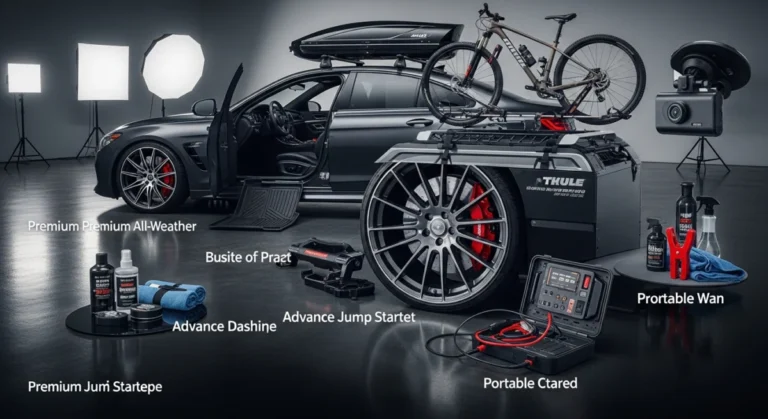
More and more, adventures are calling, and we’re packing up the car to answer. But, space often becomes the enemy, especially with growing families or gear-intensive hobbies. Enter the lightweight roof box, a game-changer for maximizing cargo capacity without compromising fuel efficiency or vehicle handling. The roof box market is projected to reach billions in the coming years, proving just how many people are seeking smart storage solutions. So, if you’re considering adding one of these versatile companions to your vehicle, this guide will equip you with everything you need to make an informed decision.
What is a Lightweight Roof Box and How Does it Work?
A lightweight roof box is an aerodynamic container designed to be mounted on the roof of a vehicle to provide additional storage space. Unlike traditional, often heavier, roof boxes, these are constructed from lighter materials, prioritizing minimal weight without sacrificing durability.
How it Works
The core function is simple: create weatherproof storage on your vehicle’s roof. Here’s how it works in practice:
- Attachment: Roof boxes attach to your vehicle via roof rack crossbars. These crossbars are essential – the box clamps onto them using integrated mounting hardware.
- Aerodynamic Design: Most lightweight roof boxes are designed with aerodynamics in mind. This helps to minimize wind resistance and noise while driving, ultimately contributing to better fuel economy compared to a box with a less streamlined shape.
- Weather Protection: The box is sealed to protect your belongings from the elements – rain, snow, dust, and UV rays. High-quality lightweight boxes use robust seals and weather-resistant materials.
- Loading and Unloading: The box usually opens from the side or rear, providing easy access to your cargo. Many models feature dual-side opening for even greater convenience.
Benefits and Key Features of a Lightweight Roof Box
Choosing a lightweight roof box offers a multitude of benefits compared to their heavier counterparts or simply cramming everything inside your vehicle.
Primary Advantages
- Improved Fuel Efficiency: This is the biggest draw. Lighter weight translates directly to less strain on your engine and improved gas mileage, particularly on long trips.
- Easier Handling: A lighter box affects your vehicle’s center of gravity less, resulting in more stable handling, especially in windy conditions or during sudden maneuvers.
- Simplified Installation: Lighter boxes are easier to lift onto the roof and attach to the crossbars. This is a huge plus if you’re installing it solo.
- Reduced Wear and Tear: Less weight on your roof rack and vehicle structure means less stress and potentially less wear and tear over time.
Key Features to Look For
- Material: Look for boxes made from ABS plastic, ASA plastic, or lightweight composite materials. These offer a good balance of durability and weight savings. Polypropylene is also sometimes used but is generally less durable.
- Weight Capacity: Don’t be fooled by the term “lightweight.” They still have a weight capacity. Check the manufacturer’s specifications and never exceed the limit. Consider the combined weight of the box and its contents, alongside your vehicle’s roof load limit.
- Volume: Measured in liters or cubic feet, volume determines how much cargo you can store. Choose a size that suits your needs, considering the types of items you’ll typically be carrying.
- Mounting System: A user-friendly mounting system is crucial. Look for tool-free systems with easy-to-tighten clamps or quick-release mechanisms. This feature significantly impacts ease of installation and removal.
- Locking Mechanism: A secure locking system is essential to prevent theft. Look for boxes with multiple locking points and robust key mechanisms. Some higher-end models even incorporate central locking systems.
- Aerodynamic Profile: A sleek, low-profile design reduces wind resistance and noise. Pay attention to the shape of the box and look for features like diffusers or spoilers.
- Opening Mechanism: Side opening, rear opening, or dual-side opening are your choices. Dual-side opening offers the most convenience.
- Durability and Weather Resistance: The box should be made from UV-resistant materials and have a robust seal to protect your belongings from the elements.
- Internal Straps: Built-in straps help secure your cargo and prevent it from shifting during transit.
Lightweight Roof Box Installation Tips
Installing a lightweight roof box is generally straightforward, but following these tips will ensure a safe and secure installation:
- Read the Instructions: Always start by carefully reading the manufacturer’s instructions. They contain specific information about your particular model.
- Gather Your Tools: Typically, you’ll need a wrench or socket set. Most boxes come with the necessary tools, but having your own on hand can be helpful.
- Position the Crossbars: Ensure your roof rack crossbars are properly positioned according to the manufacturer’s recommendations. They should be evenly spaced and securely tightened.
- Lift with a Friend (Optional but Recommended): While lightweight boxes are easier to handle, it’s still helpful to have someone assist you with lifting the box onto the roof. This prevents accidental damage to your vehicle or injury to yourself.
- Align and Attach: Carefully align the box with the crossbars and attach it using the mounting hardware. Tighten the clamps or brackets securely, following the manufacturer’s torque specifications.
- Double-Check: After installation, double-check that all clamps and brackets are securely fastened. Give the box a gentle shake to ensure it’s firmly attached.
- Test Drive: Before embarking on a long trip, take a short test drive to ensure the box is secure and doesn’t create excessive wind noise.
Maintenance and Care for Your Lightweight Roof Box
Proper maintenance will extend the life of your roof box and keep it looking its best.
- Regular Cleaning: Wash the box regularly with mild soap and water to remove dirt, grime, and insects. Avoid using harsh chemicals or abrasive cleaners.
- UV Protection: If you live in an area with intense sunlight, consider applying a UV protectant to the box to prevent fading and cracking.
- Inspect for Damage: Periodically inspect the box for cracks, scratches, or other damage. Repair any damage promptly to prevent further deterioration.
- Lubricate Locks and Hinges: Lubricate the locks and hinges with a silicone-based lubricant to keep them working smoothly.
- Proper Storage: When not in use, store the box in a dry, covered location to protect it from the elements. Consider using a storage bag or cover to prevent dust and scratches. Storing it flat is generally recommended to prevent warping.
- Check Mounting Hardware: Regularly check the mounting hardware for tightness and corrosion. Replace any worn or damaged parts.
Top Buying Factors to Consider Before Purchasing
Choosing the right lightweight roof box involves careful consideration of your needs and preferences. Here are some key factors to keep in mind:
- Vehicle Compatibility: Ensure the box is compatible with your vehicle’s roof rack system. Check the manufacturer’s specifications for compatibility information. This is often searchable by make and model.
- Size and Capacity: Determine the appropriate size and capacity based on the types of items you’ll be carrying. Consider the dimensions of skis, snowboards, camping gear, or luggage.
- Weight: Pay attention to the weight of the box, both empty and loaded. Choose a box that’s light enough to be easily installed and handled, but strong enough to safely carry your gear.
- Aerodynamics: Look for a box with a streamlined design to minimize wind resistance and noise. Read reviews and compare specifications to find a box that performs well in terms of aerodynamics.
- Durability: Choose a box made from high-quality materials that can withstand the elements. Look for boxes with UV protection and robust seals.
- Ease of Use: Consider the ease of installation, loading, and unloading. Look for boxes with user-friendly mounting systems and convenient opening mechanisms.
- Security: Choose a box with a secure locking system to protect your belongings from theft. Look for boxes with multiple locking points and robust key mechanisms.
- Price: Lightweight roof boxes range in price from a few hundred dollars to over a thousand. Set a budget and compare prices from different brands and retailers. Remember that quality and features often correlate with price.
- Reviews: Read online reviews from other customers to get an idea of the box’s performance and reliability. Pay attention to both positive and negative feedback.
- Brand Reputation: Choose a reputable brand with a proven track record of producing high-quality roof boxes. Look for brands that offer warranties and customer support.
Essential FAQ About Lightweight Roof Boxes
Here are some frequently asked questions about lightweight roof boxes:
- Q: Will a lightweight roof box affect my gas mileage?
- A: Yes, but significantly less than a heavier box. The aerodynamic design and reduced weight minimize the impact on fuel efficiency. Expect a slight decrease, but it’s typically much less noticeable than with traditional boxes.
- Q: Can I install a lightweight roof box myself?
- A: Yes, most lightweight roof boxes are designed for easy installation. However, it’s always recommended to have someone assist you with lifting the box onto the roof.
- Q: Are lightweight roof boxes as durable as heavier ones?
- A: While they might not be quite as robust as some heavy-duty boxes, modern lightweight materials offer excellent durability. Choose a box from a reputable brand with high-quality construction.
- Q: What is the weight limit for a lightweight roof box?
- A: Weight limits vary depending on the model and manufacturer. Always check the specifications and never exceed the recommended weight limit.
- Q: Can I leave the roof box on my car all the time?
- A: While you *can*, it’s generally not recommended. Leaving the box on unnecessarily can increase wind resistance and slightly decrease fuel economy. It also exposes the box to the elements, potentially reducing its lifespan. Removing it when not needed is best.
Conclusion
A lightweight roof box is a smart investment for anyone seeking extra cargo space without compromising fuel efficiency or vehicle handling. By carefully considering the factors outlined in this guide, you can confidently choose the perfect roof box to enhance your travels and make your adventures even more enjoyable. Happy travels!