Okay, let’s get this done. Here’s your expert-level guide on large-capacity roof boxes:
Imagine the scene: family road trip, car packed to the brim, kids squabbling over legroom. Sound familiar? You’re not alone. Limited cargo space is a common problem for families, adventurers, and anyone who needs to haul extra gear. Fortunately, there’s a practical solution: the large-capacity roof box. With the global automotive roof box market projected to reach billions in the coming years, it’s clear that these cargo carriers are becoming increasingly popular. This guide will explore everything you need to know about these spacious solutions, empowering you to make the right choice for your needs.
What is a Large-Capacity Roof Box?
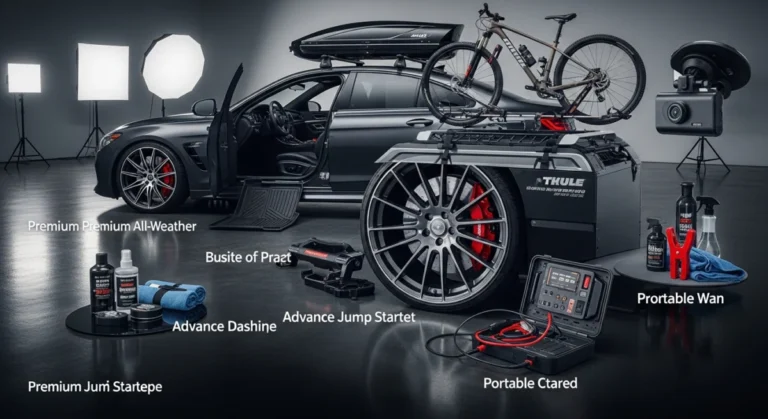
A large-capacity roof box, sometimes called a cargo box or roof carrier, is an aerodynamic container designed to be mounted on the roof of a vehicle to provide additional storage space. Think of it as an external trunk, perfect for luggage, camping equipment, sports gear, and other bulky items. These boxes are typically made from durable, weather-resistant materials like ABS plastic, polyethylene, or a combination of both. “Large-capacity” generally refers to models offering over 16 cubic feet of storage space, with some exceeding 22 cubic feet, allowing for significantly more cargo.
How it Works
A roof box attaches to your vehicle’s existing roof rack system (crossbars). Most boxes utilize a universal mounting system with clamps or U-bolts that secure the box to the crossbars. Once attached, the box can be loaded with your gear. A secure locking mechanism ensures that your belongings are protected from theft and the elements. The aerodynamic design minimizes wind resistance and noise, contributing to fuel efficiency compared to simply strapping items to the roof.
Benefits and Key Features
Choosing a large-capacity roof box offers a wealth of advantages:
- Increased Cargo Space: The most obvious benefit is the substantial increase in storage capacity. Free up valuable space inside your vehicle for passengers and comfort.
- Weather Protection: Your gear is shielded from rain, snow, dirt, and sun, ensuring it arrives at your destination in good condition.
- Security: Most roof boxes have locking mechanisms to deter theft, providing peace of mind when leaving your vehicle unattended.
- Aerodynamic Design: Modern roof boxes are designed to minimize wind resistance and noise, improving fuel efficiency compared to open cargo carriers.
- Versatility: They can be used for a variety of activities, from family vacations to camping trips to ski excursions.
- Organization: Roof boxes allow you to keep your gear organized and easily accessible.
- Preserve Vehicle Interior: Keep dirty or bulky items outside the vehicle, protecting your car’s interior.
Key Features to Consider
When selecting a roof box, pay attention to these features:
- Size and Capacity: Consider the overall dimensions and cubic feet of storage space. Measure your gear to ensure it will fit comfortably. Think about what you most frequently transport.
- Material: Look for durable, UV-resistant materials like ABS plastic or polyethylene. The material needs to withstand extreme temperatures and weather conditions.
- Mounting System: Choose a mounting system that is compatible with your roof rack and easy to install and remove. Consider tool-free installation systems for added convenience.
- Opening Mechanism: Determine which opening style (side, dual-side) is most convenient for your needs and vehicle. Dual-side opening allows access from either side of the vehicle.
- Locking System: Opt for a secure locking system with multiple locking points for added security.
- Aerodynamics: A streamlined design will minimize wind resistance and noise. Look for features like a tapered nose and recessed bottom.
- Weight Capacity: Ensure the roof box can handle the weight of your gear without exceeding the vehicle’s roof load capacity.
- Durability: Look for boxes with reinforced construction and quality hardware.
- Warranty: A longer warranty indicates the manufacturer’s confidence in the product’s quality.
Installation Tips
Installing a roof box is generally straightforward, but proper installation is crucial for safety and performance.
- Read the Instructions: Always read the manufacturer’s instructions carefully before beginning the installation process.
- Gather Your Tools: Ensure you have all the necessary tools, such as a wrench or screwdriver. Some boxes come with their own specialized tools.
- Position the Box: Carefully lift the roof box onto your vehicle’s roof rack. Get a friend to help, especially with larger models, to avoid injury or damage to the car.
- Secure the Mounts: Attach the box to the crossbars using the provided clamps or U-bolts. Tighten the fasteners securely, following the manufacturer’s torque specifications.
- Double-Check: Before driving, double-check that all mounting points are secure and that the box is properly aligned.
- Test Drive: Take a short test drive to ensure that the box is stable and that there are no unusual noises.
- Weight Distribution: Distribute the weight evenly inside the box to maintain stability and prevent handling issues. Place heavier items closer to the center.
- Height Clearance: Be mindful of the added height of the vehicle when entering garages, parking lots, and other low-clearance areas.
Maintenance and Care
Proper maintenance will extend the life of your roof box and keep it looking its best.
- Regular Cleaning: Clean the box regularly with mild soap and water to remove dirt, grime, and road salt.
- UV Protection: Apply a UV protectant to the box’s surface to prevent fading and cracking from sun exposure.
- Lubricate Locks: Lubricate the locking mechanism periodically with a silicone-based lubricant to ensure smooth operation.
- Inspect Hardware: Regularly inspect the mounting hardware for signs of wear or damage. Replace any worn or damaged parts immediately.
- Proper Storage: When not in use, store the roof box in a cool, dry place, away from direct sunlight. Consider using a storage cover to protect it from dust and scratches.
- Winter Care: Clear snow and ice from the box after each use in winter to prevent damage and ensure safe operation.
- Check Tightness: Periodically check the tightness of the mounting hardware during long trips.
Top Buying Factors
Navigating the market for roof boxes can be overwhelming. Here are the top factors to consider before making a purchase:
1. Vehicle Compatibility: Ensure the roof box is compatible with your vehicle’s roof rack system. Check the manufacturer’s specifications for compatibility. 2. Storage Needs: Determine the amount of storage space you need based on the type and quantity of gear you plan to carry. 3. Budget: Set a budget and compare prices from different manufacturers. Consider the long-term value and durability of the box. 4. Brand Reputation: Research different brands and read reviews to assess their reputation for quality and reliability. Thule, Yakima, and SportRack are well-regarded brands. 5. Ease of Installation: Choose a box with a user-friendly mounting system that is easy to install and remove. 6. Aerodynamic Performance: Look for a box with a streamlined design that minimizes wind resistance and noise. 7. Security Features: Opt for a box with a secure locking system to protect your belongings from theft. 8. Material Quality: Choose a box made from durable, weather-resistant materials that can withstand the elements. 9. Warranty: Check the warranty offered by the manufacturer to ensure that you are protected against defects in materials and workmanship. 10. Reviews and Ratings: Read online reviews and ratings from other customers to get an idea of the box’s performance and reliability.
Essential FAQ
Here are some frequently asked questions about large-capacity roof boxes:
1. Will a roof box affect my fuel economy? Yes, a roof box will typically reduce fuel economy due to increased wind resistance. However, modern aerodynamic designs minimize this impact. Expect a decrease of anywhere between 1-5 MPG. 2. Is it difficult to install a roof box? Most roof boxes are relatively easy to install, especially those with tool-free mounting systems. However, it is always best to read the instructions carefully and follow the manufacturer’s recommendations. 3. Can I leave my roof box on my car all the time? Yes, you can leave your roof box on your car all the time, but it is generally recommended to remove it when not in use to improve fuel economy and reduce wear and tear. 4. Are roof boxes waterproof? Most roof boxes are highly water-resistant, but not completely waterproof. Heavy rain or prolonged exposure to moisture may cause some water to seep inside. 5. What is the maximum weight I can put in a roof box? The maximum weight capacity varies depending on the specific model. Always refer to the manufacturer’s specifications and never exceed the vehicle’s roof load capacity.
Conclusion
A large-capacity roof box is a worthwhile investment for anyone who needs extra storage space for their vehicle. By carefully considering your needs, budget, and the key features outlined in this guide, you can choose a roof box that will provide years of reliable service. From family road trips to outdoor adventures, a roof box can transform your vehicle into a spacious and versatile cargo carrier, making every journey more enjoyable and convenient. Safe travels!