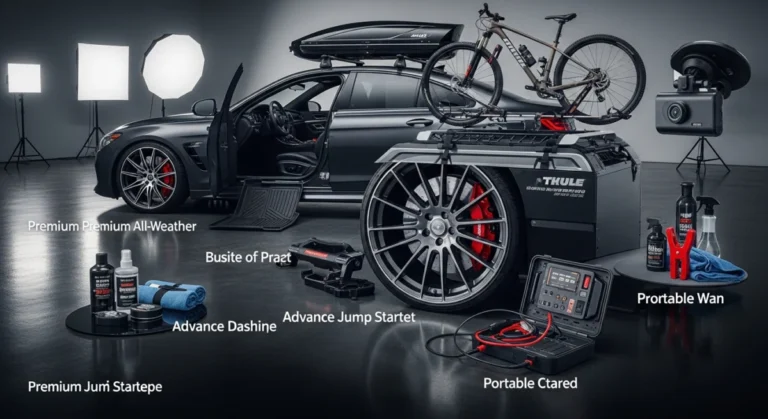
Forget cramming suitcases between kids, pets, and awkwardly shaped camping gear. Tired of that nerve-wracking feeling of leaving essential items behind because you simply ran out of space? You’re not alone. According to recent studies, over 60% of families undertaking road trips experience packing-related stress. The solution? A hard-shell roof box. These aerodynamic containers dramatically increase your vehicle’s cargo capacity, offering a weatherproof, secure, and convenient way to transport luggage, sports equipment, and anything else that won’t fit inside. This guide will equip you with everything you need to know before purchasing and using a hard-shell roof box.
What is a Hard-Shell Roof Box and How Does it Work?
A hard-shell roof box, also known as a cargo box or roof carrier, is an enclosed container designed to be mounted on the roof of a vehicle. Constructed from durable, weather-resistant materials like ABS plastic, polycarbonate, or composite blends, these boxes provide extra storage space without sacrificing passenger comfort or interior legroom.
They work by attaching to existing roof rack crossbars. Most boxes utilize a clamping system, involving U-bolts, T-track adapters, or proprietary mounting hardware that secures the box to the crossbars. The box is then filled with luggage or gear, and securely locked, protecting the contents from the elements and theft. The aerodynamic design minimizes wind resistance and noise, although a slight fuel economy reduction is to be expected.
The Physics Behind Aerodynamics
The shape of a hard-shell roof box is crucial for minimizing drag. Manufacturers invest heavily in aerodynamic testing, using wind tunnels and computer simulations to optimize designs. Key aerodynamic features include:
- Low profile: Reducing the overall height minimizes the surface area exposed to wind.
- Tapered front: A sloping front edge deflects air upwards and over the box.
- Contoured sides: Smooth, curved sides help to streamline airflow.
Benefits and Key Features of Hard-Shell Roof Boxes
Investing in a hard-shell roof box offers a range of benefits that extend beyond simply increasing cargo space.
- Increased Cargo Capacity: The most obvious benefit! Significantly expands your vehicle’s storage.
- Weather Protection: Keeps your belongings safe from rain, snow, sun, and dust.
- Security: Lockable design deters theft, providing peace of mind.
- Organization: Keeps items neatly organized and separated from passengers.
- Versatility: Suitable for a wide range of activities, from family vacations to ski trips.
- Aerodynamic Design: Minimizes wind resistance and noise for a smoother ride.
Key Features to Look For
When choosing a hard-shell roof box, consider these essential features:
- Material: ABS plastic is common, offering a good balance of durability and affordability. Polycarbonate is more impact-resistant and lightweight. Composite materials provide the highest strength and durability.
- Size and Capacity: Measured in liters or cubic feet, choose a size that suits your needs and vehicle.
- Mounting System: Ensure compatibility with your vehicle’s roof rack crossbars. Look for easy-to-use and secure mounting systems.
- Opening Mechanism: Dual-side opening provides easier access from either side of the vehicle.
- Locking System: A secure locking mechanism is essential for protecting your belongings.
- Weight Capacity: Adhere strictly to the manufacturer’s weight limit to avoid damage to the box or your vehicle.
- Aerodynamic Design: Look for features that minimize wind resistance and noise.
- UV Resistance: Prevents the box from fading and becoming brittle over time.
Hard-Shell Roof Box Installation Tips
Installing a hard-shell roof box is generally straightforward, but careful attention to detail is crucial for safety and optimal performance.
- Read the Manual: Always consult the manufacturer’s instructions for specific installation guidelines.
- Gather Your Tools: You’ll typically need a wrench, screwdriver, and potentially a measuring tape.
- Position the Crossbars: Ensure the crossbars are properly spaced and securely attached to your vehicle’s roof.
- Lift Carefully: Roof boxes can be heavy. Get assistance to lift the box onto the roof rack.
- Align and Secure: Carefully align the box with the crossbars and secure it using the provided mounting hardware.
- Tighten Properly: Tighten all fasteners to the specified torque.
- Double-Check: Before driving, double-check that the box is securely attached and properly locked.
Mounting System Variations
Different roof boxes employ different mounting systems. Common types include:
- U-Bolt Clamps: Simple and versatile, suitable for various crossbar shapes.
- T-Track Adapters: Slide into the T-slots of compatible crossbars for a secure and flush mount.
- Quick-Release Clamps: Offer tool-free installation and removal.
- Proprietary Systems: Some manufacturers use their own unique mounting systems.
Hard-Shell Roof Box Maintenance and Care
Proper maintenance will extend the life of your hard-shell roof box and keep it looking its best.
- Cleaning: Wash the box regularly with mild soap and water. Avoid harsh chemicals or abrasive cleaners.
- Drying: Thoroughly dry the box after washing to prevent water spots and mildew growth.
- UV Protection: Apply a UV protectant spray periodically to prevent fading and cracking.
- Storage: Store the box in a dry, sheltered location when not in use. Consider using a roof box storage lift for easier handling.
- Inspection: Regularly inspect the box for cracks, damage, or loose fasteners.
- Lubrication: Lubricate the locking mechanism with a silicone-based lubricant.
Preventing Damage
- Avoid Overloading: Never exceed the weight capacity of the box or your vehicle’s roof rack.
- Secure Contents: Properly secure items inside the box to prevent them from shifting during transit.
- Drive Carefully: Be mindful of the increased height of your vehicle, especially when entering garages or under bridges.
- Protect from Impacts: Avoid hitting low-hanging branches or other obstacles.
Top Buying Factors for Hard-Shell Roof Boxes
Navigating the market for hard-shell roof boxes can feel overwhelming. Here’s a breakdown of the top factors to consider:
- Your Needs: What types of items will you be carrying? How much space do you need?
- Vehicle Compatibility: Ensure the box is compatible with your vehicle’s roof rack. Check the load capacity of your roof.
- Budget: Hard-shell roof boxes range in price from a few hundred to over a thousand dollars.
- Brand Reputation: Choose a reputable brand known for quality and durability. Thule, Yakima, and SportRack are well-known brands.
- Reviews and Ratings: Read customer reviews to get insights into real-world performance.
- Warranty: Look for a warranty that covers defects in materials and workmanship.
- Features: Consider features like dual-side opening, easy mounting systems, and secure locking mechanisms.
- Aerodynamics: A well-designed aerodynamic box will minimize wind noise and fuel consumption.
- Aesthetics: Choose a box that complements the look of your vehicle.
Essential FAQ About Hard-Shell Roof Boxes
- Q: Will a roof box affect my gas mileage?
- A: Yes, expect a slight reduction in fuel economy due to increased wind resistance. The impact will vary depending on the box’s size, shape, and your driving speed. Aerodynamic designs can help mitigate this.
- Q: Are roof boxes waterproof?
- A: Most hard-shell roof boxes are highly water-resistant, but not completely waterproof. Heavy rain or prolonged exposure may result in some water ingress. Using waterproof bags inside the box is recommended for sensitive items.
- Q: Can I leave my roof box on my car all the time?
- A: While technically possible, it’s generally not recommended. Leaving the box on your car when not in use can increase wind resistance, reduce fuel economy, and expose the box to unnecessary wear and tear.
- Q: What’s the difference between a roof box and a roof bag?
- A: Roof boxes are rigid containers, offering better protection and security. Roof bags are soft-sided and more flexible, but less secure and weather-resistant.
- Q: How do I choose the right size roof box for my car?
- A: Consider the length of your roof rack crossbars and the type of items you’ll be carrying. Measure the longest items you plan to transport and choose a box that can accommodate them. Check the manufacturer’s specifications for maximum length and width.
Conclusion
A hard-shell roof box is a worthwhile investment for anyone needing extra cargo space for road trips, outdoor adventures, or simply transporting bulky items. By carefully considering your needs, researching different models, and following proper installation and maintenance procedures, you can enjoy the benefits of a roof box for years to come. Choose wisely, pack safely, and enjoy the open road!