Are you tired of playing Tetris with your luggage every time you pack for a family trip? Wishing you had just a little bit more space for those skis, camping gear, or even just the kids’ extra stuffed animals? You’re not alone. According to recent market research, the roof box industry is booming, with a projected growth of over 5% annually as families increasingly seek solutions to maximize vehicle cargo capacity. The answer to your packing woes might just be a family roof box. Let’s dive into everything you need to know about these convenient carriers.
What is a Family Roof Box and How Does it Work?
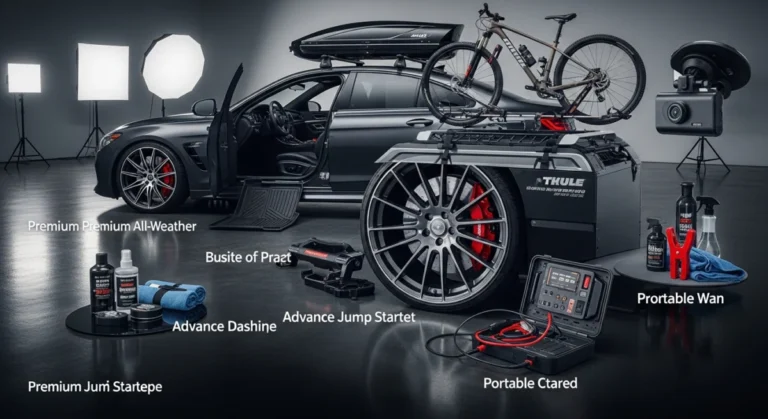
A family roof box, also known as a cargo carrier, roof luggage box, or simply a car top carrier, is an enclosed container designed to be mounted on the roof of a vehicle. Its primary purpose is to provide additional storage space for luggage, sporting equipment, and other items that won’t fit inside the car’s trunk or passenger area.
Think of it as a supplementary trunk that sits atop your vehicle. They come in various sizes, shapes, and materials, catering to different needs and vehicle types. The basic principle is simple: the box attaches to roof rack crossbars, providing a secure and weatherproof compartment for your belongings.
How it Works: A Closer Look
The roof box utilizes a series of clamps or mounting brackets that secure it to the roof rack. The roof rack, in turn, is attached to the car’s roof, either directly (if the car has factory-installed mounting points) or via aftermarket roof rails. The cargo box then opens via a hinge system, allowing you to load and unload your items. Many models feature a locking mechanism for added security.
The functionality depends on a secure and stable foundation. Therefore, ensuring your roof rack system is compatible with both your vehicle and the roof box is crucial. Weight distribution is also a key consideration. Overloading the box or placing heavier items unevenly can affect the vehicle’s handling and stability, so careful planning is essential.
Benefits and Key Features of a Family Roof Box
A roof box offers a multitude of advantages, making it an invaluable asset for families who frequently travel or engage in outdoor activities.
- Increased Cargo Space: The most obvious benefit! Adds significant storage capacity, freeing up space inside the vehicle for passengers and comfort.
- Protection from the Elements: Keeps your belongings safe from rain, snow, wind, and dust.
- Organization: Allows you to separate luggage from other items, preventing clutter and damage.
- Security: Many models feature locking mechanisms to deter theft.
- Improved Fuel Efficiency (Potentially): By consolidating cargo into a streamlined box, you can sometimes improve fuel economy compared to stuffing items haphazardly inside the car. Though, larger and less aerodynamic boxes will decrease it.
- Versatility: Can be used for a wide range of items, from luggage and camping gear to skis, snowboards, and even strollers.
Key Features to Look For
When choosing a roof box, consider these essential features:
- Size and Capacity: Measure your vehicle’s roof and consider the types of items you’ll be carrying. Capacity is typically measured in cubic feet.
- Material: Look for durable, weather-resistant materials like ABS plastic or ASA plastic.
- Opening Mechanism: Dual-side opening is extremely convenient, allowing access from either side of the vehicle. Single-side opening is more common but less versatile.
- Mounting System: Ensure compatibility with your roof rack and ease of installation. Quick-release systems are a plus.
- Locking Mechanism: Choose a robust locking system that provides adequate security. Central locking is highly desirable.
- Aerodynamic Design: A streamlined design helps minimize wind resistance and noise.
- Weight Capacity: Never exceed the roof box’s or your vehicle’s roof’s weight limit.
- UV Resistance: Prevents fading and cracking from sun exposure.
Installation Tips (If Applicable)
Installing a roof box typically involves the following steps, but always refer to the manufacturer’s instructions for your specific model:
1. Assemble Roof Rack: Ensure your roof rack is properly installed and compatible with your vehicle. 2. Position the Roof Box: Carefully lift the roof box onto the roof rack. It’s often easier with two people. 3. Attach Mounting Brackets: Secure the mounting brackets to the roof rack crossbars. Ensure they are properly aligned and tightened. 4. Double-Check Stability: Wiggle the box to ensure it is firmly attached. Tighten any loose bolts or clamps. 5. Load and Secure Items: Distribute weight evenly inside the box and use straps or tie-downs to secure items. 6. Close and Lock: Close the lid securely and engage the locking mechanism. 7. Test Drive: Take a short test drive to check for any unusual noises or vibrations.
Important Safety Note: Improper installation can be dangerous. If you’re not comfortable installing the roof box yourself, seek professional assistance. Always consult your vehicle’s owner’s manual for roof load capacity limitations.
Maintenance and Care
Proper maintenance will extend the life of your roof box and ensure it performs optimally.
- Regular Cleaning: Wash the roof box regularly with mild soap and water to remove dirt, grime, and insect debris.
- UV Protection: Apply a UV protectant to the exterior to prevent fading and cracking.
- Inspect Mounting Hardware: Regularly check the mounting brackets and hardware for corrosion or damage. Replace any worn or damaged parts.
- Lubricate Locks and Hinges: Apply a silicone-based lubricant to the locks and hinges to keep them working smoothly.
- Proper Storage: When not in use, store the roof box in a cool, dry place away from direct sunlight. Cover it to protect it from dust and scratches. Consider using a roof box storage lift for easier handling.
- Check for Cracks: After long trips or impacts, inspect the box for any cracks or damage to the plastic. Minor damage can be repaired with appropriate plastic repair kits.
Top Buying Factors
When selecting a roof box, keep these crucial factors in mind:
- Vehicle Compatibility: Ensure the roof box is compatible with your vehicle’s roof rack system and roof load capacity.
- Storage Needs: Consider the amount of storage space you require based on the types of items you’ll be carrying.
- Budget: Roof boxes range in price from a few hundred dollars to over a thousand. Set a budget and stick to it.
- Brand Reputation: Research different brands and read customer reviews to get an idea of their quality and reliability. Thule and Yakima are well-known, reputable brands.
- Ease of Use: Consider how easy the roof box is to install, load, and unload.
- Aerodynamics and Noise: Look for a roof box with a streamlined design to minimize wind resistance and noise.
- Security Features: Choose a roof box with a robust locking system to deter theft.
- Warranty: A good warranty provides peace of mind and protection against defects.
- Aesthetics: While functionality is paramount, consider the appearance of the roof box and how it complements your vehicle. Some boxes are offered in a range of colours and finishes.
Essential FAQ Section
Here are some frequently asked questions about family roof boxes:
1. Will a roof box affect my gas mileage? Yes, a roof box will likely decrease your gas mileage, especially at higher speeds. Choose an aerodynamic design to minimize the impact. 2. How fast can I drive with a roof box? Always adhere to the speed limits specified by the roof box manufacturer. Typically, this is around 75-80 mph. 3. Are roof boxes waterproof? Most roof boxes are highly water-resistant, but not completely waterproof. Consider using waterproof bags inside for sensitive items. 4. Can I install a roof box myself? Yes, most roof boxes can be installed by the owner, but it’s often easier with two people. Follow the manufacturer’s instructions carefully. If unsure, seek professional assistance. 5. How long will a roof box last? With proper care and maintenance, a high-quality roof box can last for many years.
In conclusion, a family roof box is a worthwhile investment for families who need extra storage space for travel and outdoor activities. By considering the factors discussed above, you can choose the right roof box to meet your needs and enjoy a more comfortable and organized travel experience. Happy travels!