Camping Gear Roof Boxes: Your Ultimate Guide to Elevated Adventures
Imagine this: You’re finally heading out on that long-awaited camping trip. Tent, sleeping bags, cooking gear, hiking boots… the list goes on. But wait, your car is already overflowing, and the kids are complaining about legroom. Sound familiar? According to recent studies, limited cargo space is a leading cause of stress during family road trips. But what if there was a simple solution to double your vehicle’s storage capacity?
Enter the camping gear roof box. More than just a plastic container strapped to your car, a roof box is an investment in freedom, organization, and ultimately, a more enjoyable outdoor experience. This comprehensive guide will explore everything you need to know about roof boxes, from understanding how they work to choosing the perfect one for your needs.
What is a Camping Gear Roof Box and How Does it Work?
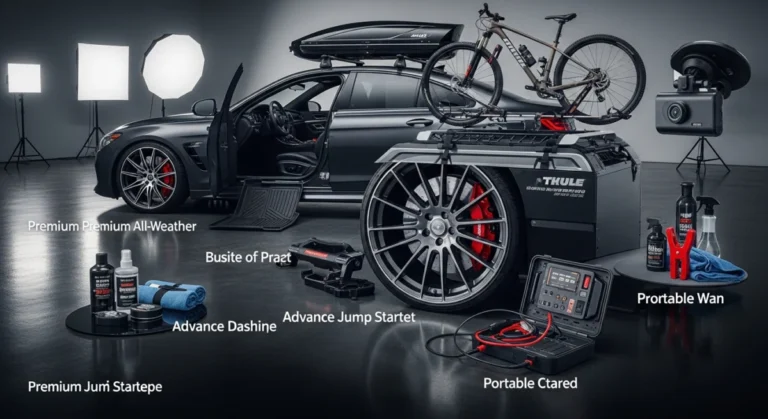
A camping gear roof box, also known as a cargo carrier or roof pod, is a streamlined, weather-resistant container designed to attach to the roof of your vehicle. It provides additional storage space for luggage, camping equipment, sporting goods, and other bulky items.
How it Works
The basic principle is simple: a durable box mounts onto your car’s existing roof rack crossbars (or requires you to install them if your car doesn’t have them). The box is typically constructed from a rigid material like ABS plastic or polyethylene, offering protection from the elements and adding minimal wind resistance.
Most roof boxes utilize a hinged lid that opens from the side or rear, allowing easy access to your gear. Locking mechanisms secure the lid, protecting your belongings from theft and preventing it from opening unexpectedly while driving.
Inside, tie-down straps or cargo nets help to secure items, preventing them from shifting during transit. Some boxes also feature internal lights for added convenience when packing or unpacking in low-light conditions.
Benefits and Key Features of Roof Boxes
Roof boxes offer a myriad of benefits beyond simply providing extra space.
- Increased Storage Capacity: The most obvious benefit! Frees up valuable space inside your vehicle, allowing for a more comfortable journey.
- Weather Protection: Keeps your gear dry and protected from rain, snow, dust, and sun.
- Security: Most roof boxes have locking mechanisms to deter theft.
- Aerodynamic Design: Minimizes wind resistance and noise, improving fuel efficiency compared to traditional rooftop carriers.
- Versatility: Suitable for carrying a wide range of items, from camping gear to skis and snowboards.
- Organization: Allows for organized storage of your belongings, making it easier to find what you need.
- Easy Access: Offers convenient access to your gear, without having to unload the entire car.
Key Features to Look For
When choosing a roof box, consider these important features:
- Size and Capacity: Measured in cubic feet, choose a size that meets your specific storage needs. Smaller boxes (10-14 cubic feet) are suitable for smaller vehicles and occasional use, while larger boxes (18+ cubic feet) are better for families and frequent travelers.
- Material: ABS plastic is lightweight and durable, while polyethylene is more impact-resistant. Consider the climate you’ll be using the box in.
- Opening Mechanism: Side-opening boxes are often easier to load and unload, especially from the side of the vehicle. Dual-sided opening models provide access from both sides.
- Mounting System: Ensure the box is compatible with your vehicle’s roof rack system. Universal mounting systems offer greater flexibility.
- Locking Mechanism: Choose a box with a secure locking system to protect your belongings.
- Aerodynamics: Look for a box with a streamlined design to minimize wind resistance and noise.
- Weight Capacity: Be mindful of the box’s weight capacity and your vehicle’s roof load limit.
- Durability: Consider the thickness of the plastic and the quality of the hardware.
Installation Tips for Your Roof Box
Installing a roof box can be a straightforward process, but it’s essential to follow the manufacturer’s instructions carefully.
- Read the Instructions: Before you even begin, thoroughly read the installation manual.
- Gather Your Tools: Typically, you’ll need a wrench, screwdriver, and possibly a measuring tape.
- Position the Crossbars: Ensure the roof rack crossbars are properly spaced according to the roof box manufacturer’s recommendations.
- Lift and Center the Box: With assistance, carefully lift the roof box onto the crossbars and center it.
- Attach the Mounting Hardware: Secure the box to the crossbars using the provided mounting hardware. Ensure all bolts are tightened properly.
- Double-Check Everything: Once installed, double-check that the box is securely attached and that the lid opens and closes smoothly.
- Test Drive: Take a short test drive to ensure the box is stable and that there are no unusual noises.
Maintenance and Care for Longevity
Proper maintenance will extend the life of your roof box and keep it looking its best.
- Cleaning: Regularly wash the box with mild soap and water to remove dirt and grime.
- UV Protection: Apply a UV protectant to the box to prevent fading and cracking.
- Lubrication: Lubricate the hinges and locking mechanism with a silicone-based lubricant.
- Storage: When not in use, store the box in a cool, dry place, preferably covered, to protect it from the elements.
- Inspection: Periodically inspect the box for cracks, damage, or loose hardware.
- Tighten Hardware: Regularly check and tighten all mounting hardware to ensure the box remains securely attached.
- Avoid Overloading: Never exceed the box’s weight capacity or your vehicle’s roof load limit.
Top Buying Factors to Consider
Choosing the right roof box depends on your individual needs and circumstances. Here are the top factors to consider:
- Vehicle Compatibility: Ensure the box is compatible with your vehicle’s roof rack system and roof load limit. Some vehicles require specific roof rack systems.
- Storage Needs: Determine the amount of storage space you require based on the type and amount of gear you’ll be carrying. Consider measuring the gear you plan to carry to get a more accurate idea.
- Budget: Roof boxes range in price from a few hundred dollars to over a thousand. Set a budget and stick to it.
- Frequency of Use: If you plan to use the box frequently, invest in a higher-quality model that will withstand regular wear and tear.
- Aesthetics: Choose a box that complements the look of your vehicle.
- Ease of Installation: Opt for a box with a user-friendly mounting system for easy installation and removal.
- Brand Reputation: Research different brands and read reviews to get an idea of their quality and reliability. Look for brands with a good warranty.
- Features: Prioritize the features that are most important to you, such as weather protection, security, and ease of access.
Essential FAQs About Camping Gear Roof Boxes
Here are some frequently asked questions to help you make an informed decision:
1. Will a roof box affect my gas mileage? Yes, adding a roof box will slightly reduce your gas mileage due to increased wind resistance. However, modern aerodynamic designs minimize this impact. Expect a decrease of roughly 1-5 mpg. 2. Are roof boxes noisy? Some roof boxes can generate wind noise, especially at higher speeds. Look for models with aerodynamic designs and noise-reducing features. Properly securing your load inside the box also minimizes noise. 3. Can I install a roof box myself? Yes, most roof boxes are designed for DIY installation. However, it’s always recommended to have a second person assist you, especially when lifting the box onto the roof. 4. How do I prevent theft from a roof box? Choose a box with a secure locking mechanism and consider adding a cable lock to further deter theft. Never leave valuable items unattended in the box for extended periods. 5. What is the difference between a roof box and a roof bag? A roof box is a rigid container, while a roof bag is a soft-sided bag. Roof boxes offer better weather protection and security, while roof bags are more affordable and easier to store when not in use.
Conclusion
A camping gear roof box is a game-changer for anyone who loves the outdoors but struggles with limited cargo space. By understanding the benefits, features, and maintenance requirements of roof boxes, you can choose the perfect one to enhance your adventures and make your camping trips more enjoyable. So, gear up, pack smart, and hit the road with confidence, knowing that you have the extra space you need to explore the great outdoors.