Station wagons, once the undisputed kings of family transport, are making a stylish comeback. And what better way to enhance their versatility than with a wagon roof rack? Whether you’re hauling skis to the slopes, kayaks to the lake, or just need extra space for luggage on a road trip, a well-chosen roof rack can transform your wagon into the ultimate adventure vehicle. In this comprehensive guide, we’ll delve into the world of wagon roof racks, covering everything from their fundamental workings to crucial buying considerations and maintenance tips. Think of this as your one-stop resource for unlocking the full potential of your wagon.
What is a Wagon Roof Rack and How Does It Work?
A wagon roof rack is essentially a system that allows you to securely carry cargo on the roof of your vehicle. It typically consists of two main components: towers (or feet) and crossbars. The towers attach to specific points on your wagon’s roof, while the crossbars span between the towers, creating a platform for carrying your gear.
There are several types of wagon roof rack systems, each designed for different roof types and load requirements:
- Bare Roof Racks: These attach directly to a bare roof, often using clips or clamping mechanisms that grip the door frame. They’re generally less expensive but may require more careful installation.
- Fixed Point Racks: Some wagons have pre-installed fixed points on the roof. These racks utilize dedicated mounting hardware that screws directly into these points, providing a strong and secure attachment.
- Raised Rail Racks: These are perhaps the most common type and feature raised rails running along the length of the roof. The rack system then clamps onto these rails. This type offers excellent versatility and ease of installation.
- Flush Rail Racks: Similar to raised rails, flush rails sit close to the roof surface. These require a specialized rack system designed to clamp onto the flush rails.
- Track Systems: Some wagons may have tracks installed. These systems allow the rack towers to slide along the tracks, providing maximum flexibility in crossbar placement.
The basic principle is the same across all types: distribute the weight of your cargo evenly across the crossbars and secure it properly using straps, tie-downs, or specialized carriers.
Benefits and Key Features of Wagon Roof Racks
Investing in a wagon roof rack offers a plethora of benefits:
- Increased Cargo Capacity: This is the primary advantage. A roof rack frees up valuable space inside your wagon, making road trips more comfortable and less cramped.
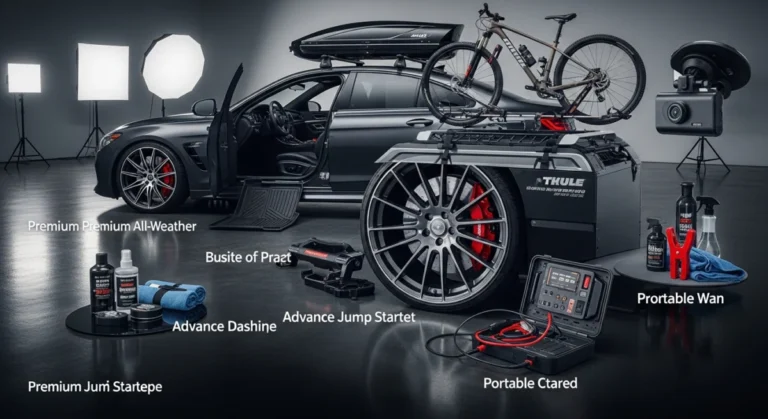
- Versatility: Roof racks aren’t just for luggage. With the right accessories, you can carry bikes, kayaks, canoes, skis, snowboards, roof boxes, and even camping gear.
- Protection of Interior: By transporting bulky or dirty items on the roof, you prevent damage and mess inside your wagon.
- Enhanced Aesthetics: A well-chosen roof rack can actually enhance the look of your wagon, giving it a more rugged and adventurous appeal.
Key features to look for include:
- Load Capacity: The maximum weight the rack can safely carry. Exceeding this limit can be dangerous and damage your vehicle.
- Aerodynamic Design: Reduces wind noise and drag, improving fuel efficiency.
- Durability: Look for racks made from high-quality materials like aluminum or steel, which can withstand the elements and heavy loads.
- Compatibility: Ensure the rack is specifically designed to fit your wagon’s make and model.
- Ease of Installation: Some racks are easier to install than others. Consider your DIY skills when making your choice.
- Locking Mechanisms: Provide added security to prevent theft of the rack itself.
- Crossbar Type: Options include square bars, round bars, and aerodynamic (elliptical) bars. Aerodynamic bars are quieter and more fuel-efficient.
Installation Tips for Your Wagon Roof Rack
Installing a wagon roof rack can range from simple to slightly more involved, depending on the type of rack and your vehicle. Here are some general tips:
- Read the Instructions: This is crucial. Follow the manufacturer’s instructions carefully.
- Gather Your Tools: Make sure you have all the necessary tools, such as wrenches, screwdrivers, and measuring tape.
- Clean the Roof: Before installing the rack, clean the roof of your wagon to remove any dirt or debris.
- Protect the Paint: Use protective tape or pads to prevent scratching the paint during installation.
- Properly Position the Towers: Ensure the towers are evenly spaced and correctly positioned according to the instructions.
- Tighten the Fasteners: Tighten all fasteners to the specified torque. Avoid over-tightening, which can damage the rack or your vehicle.
- Double-Check Your Work: After installation, double-check that everything is secure and properly aligned.
- Test the Rack: Before carrying any cargo, test the rack by driving around the block at low speed. Listen for any unusual noises or vibrations.
For more complex installations, consider having a professional install the rack.
Maintenance and Care of Your Wagon Roof Rack
Proper maintenance will extend the life of your roof rack and ensure its continued safe operation:
- Regular Cleaning: Clean the rack regularly with soap and water to remove dirt, grime, and salt.
- Inspect for Damage: Periodically inspect the rack for any signs of damage, such as cracks, rust, or loose fasteners.
- Tighten Fasteners: Check and tighten all fasteners regularly, especially after carrying heavy loads.
- Lubricate Moving Parts: Lubricate any moving parts, such as hinges or locks, to prevent corrosion and ensure smooth operation.
- Store Properly: When not in use, store the rack in a dry place to prevent rust and corrosion.
- UV Protection: If your roof rack is exposed to prolonged sunlight, consider using a UV protectant to prevent fading and cracking of plastic components.
Top Buying Factors for Wagon Roof Racks
Choosing the right wagon roof rack involves several considerations:
- Vehicle Compatibility: The most important factor. Ensure the rack is specifically designed for your wagon’s make, model, and year.
- Cargo Needs: Consider what you’ll be carrying on the rack. If you plan to carry skis, snowboards, or kayaks, you’ll need specialized carriers.
- Load Capacity: Choose a rack with a load capacity that meets your needs. Don’t underestimate!
- Budget: Roof racks range in price from a few hundred dollars to over a thousand. Set a budget and stick to it.
- Material and Durability: Opt for a rack made from high-quality materials like aluminum or steel for long-lasting durability.
- Aerodynamics: If fuel efficiency is a concern, choose a rack with an aerodynamic design.
- Ease of Installation: Consider your DIY skills and choose a rack that you can easily install yourself.
- Brand Reputation: Stick with reputable brands known for quality and reliability, such as Thule, Yakima, Rhino-Rack, and Kuat.
- User Reviews: Read online reviews to get insights from other users about the rack’s performance and reliability.
- Warranty: Check the warranty offered by the manufacturer. A longer warranty indicates greater confidence in the product’s quality.
Essential FAQ About Wagon Roof Racks
Here are some frequently asked questions about wagon roof racks:
1. Will a roof rack damage my car’s paint? When installed properly, a quality roof rack shouldn’t damage your car’s paint. However, it’s crucial to use protective pads or tape during installation and to regularly clean the roof to prevent dirt and debris from scratching the paint. 2. How much weight can my wagon roof rack carry? The maximum weight capacity varies depending on the rack and your vehicle’s roof. Always consult the manufacturer’s specifications for both the rack and your vehicle. 3. Can I install a roof rack myself, or do I need a professional? Many roof racks are designed for DIY installation. However, if you’re not comfortable with the process or if the installation is complex, it’s best to have a professional install the rack. 4. Will a roof rack affect my gas mileage? Yes, a roof rack can negatively impact your gas mileage, especially at higher speeds. An aerodynamic rack and careful cargo placement can help minimize the impact. 5. What are the best accessories for a wagon roof rack? The best accessories depend on your needs. Popular accessories include bike carriers, kayak carriers, ski carriers, roof boxes, and tie-down straps.
Conclusion
A wagon roof rack is a valuable investment for anyone looking to maximize the versatility of their vehicle. By understanding the different types of racks, their benefits, and key buying factors, you can choose the perfect rack to meet your needs. Remember to prioritize safety, proper installation, and regular maintenance to ensure years of reliable service. So, gear up, load up, and hit the road – your wagon is ready for anything!