Steel Roof Racks: The Unbreakable Workhorse for Your Adventures
Imagine this: You’re finally heading out on that long-awaited camping trip. Tent, sleeping bags, kayak, bikes – everything you need for an epic adventure. But as you start packing, a familiar dread creeps in: where are you going to put it all? The answer, for countless adventurers, tradespeople, and outdoor enthusiasts, lies on the roof – secured by a steel roof rack. In a market saturated with aluminum and composite options, steel roof racks remain a popular, reliable, and incredibly robust choice. Let’s dive into everything you need to know about these dependable cargo carriers.
What is a Steel Roof Rack & How Does It Work?
At its core, a steel roof rack is a framework designed to attach to the roof of your vehicle, providing a secure platform for carrying extra luggage, sporting equipment, tools, or other cargo. It essentially extends your vehicle’s storage capacity upwards.
The system typically comprises several key components:
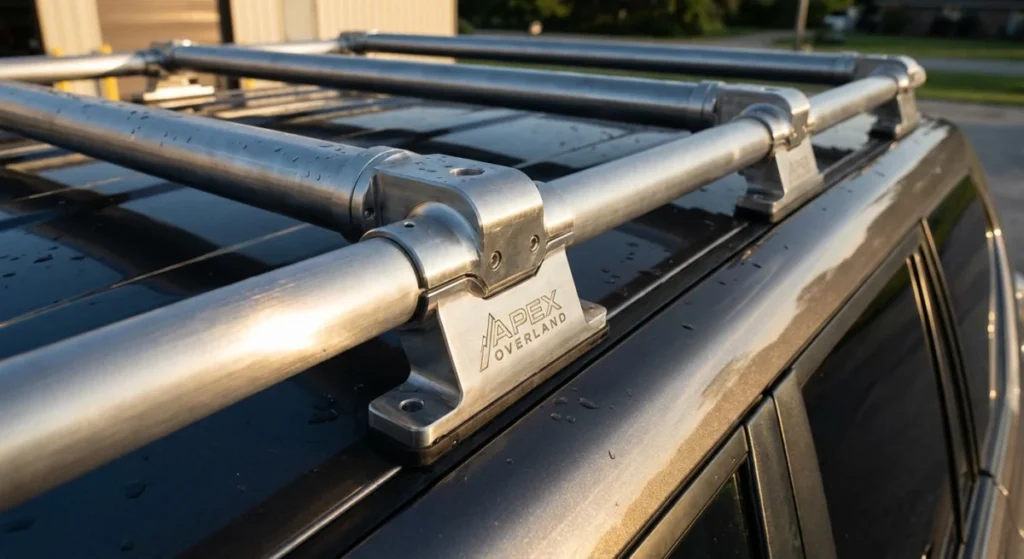
- Mounting Feet: These are the contact points that directly attach to your vehicle’s roof. They are often custom-designed to fit specific vehicle makes and models, utilizing existing roof rails, fixed mounting points, or even attaching directly to the door frame using clamps.
- Crossbars: These are the horizontal bars that span the width of your vehicle and form the primary load-bearing surface. Steel crossbars are renowned for their strength and durability.
- Side Rails (Optional): Some roof racks include side rails that run lengthwise along the roof, providing additional support and tie-down points.
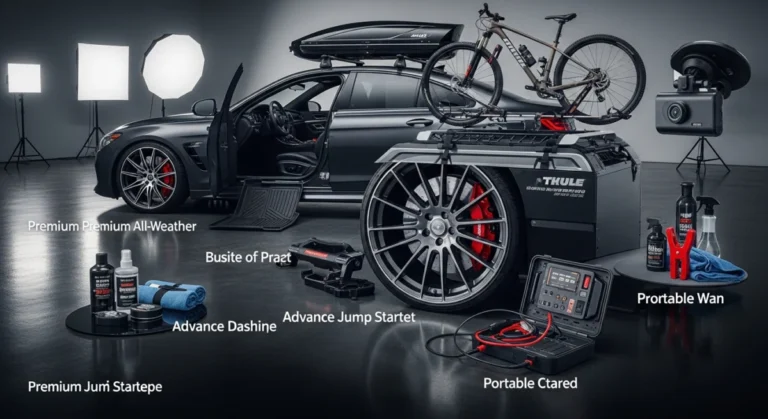
- Accessories: A wide array of accessories, such as kayak carriers, bike racks, cargo boxes, and tie-down straps, can be attached to the crossbars to customize the rack for specific needs.
The rack works by distributing the weight of the cargo across the vehicle’s roof structure. The mounting feet ensure a secure connection, while the crossbars provide a stable platform to which the cargo can be safely attached. The strength of the steel construction is what allows these racks to handle heavier loads compared to other materials.
Benefits and Key Features of Steel Roof Racks
Steel roof racks offer a distinct set of advantages that make them a compelling choice for many vehicle owners:
- Unmatched Strength and Durability: This is the defining characteristic of steel. Steel roof racks can withstand significantly higher loads and resist damage from impacts and harsh weather conditions far better than aluminum or plastic alternatives.
- Cost-Effectiveness: While high-end steel racks can be pricey, entry-level and mid-range options often provide excellent value for money, offering a robust solution at a competitive price point.
- Long Lifespan: The inherent durability of steel translates to a longer lifespan. A well-maintained steel roof rack can last for many years, even with frequent use in demanding conditions.
- Welding and Repair Options: Steel is relatively easy to weld, meaning repairs are often straightforward and affordable if the rack sustains damage.
- High Load Capacity: If you frequently haul heavy items like lumber, ladders, or multiple kayaks, a steel roof rack’s high load capacity provides peace of mind.
- Compatibility: Steel racks can be adapted to carry almost any kind of accessory with a variety of attachments.
Key features to look for in a quality steel roof rack include:
- Heavy-Gauge Steel Construction: Ensures maximum strength and durability.
- Corrosion-Resistant Coating: Protects against rust and the elements. Look for powder coating or galvanizing.
- Vehicle-Specific Fit: Ensures a secure and proper fit for your vehicle’s roof.
- Adjustable Crossbars: Allows for customization to accommodate different cargo sizes.
- Multiple Tie-Down Points: Provides secure anchor points for straps and ropes.
Installation Tips for Steel Roof Racks
Installing a steel roof rack can range from simple to moderately complex, depending on the vehicle and rack design. Here are some general tips:
- Read the Instructions Carefully: This is paramount. Follow the manufacturer’s instructions precisely.
- Gather Your Tools: Ensure you have all the necessary tools before you begin, including wrenches, sockets, screwdrivers, and a torque wrench.
- Protect Your Vehicle’s Paint: Use masking tape or a soft cloth to protect the roof from scratches during installation.
- Position the Mounting Feet Correctly: Double-check the correct placement of the mounting feet according to the instructions. Incorrect placement can damage your vehicle’s roof.
- Tighten Hardware to the Specified Torque: Use a torque wrench to tighten all bolts and fasteners to the manufacturer’s specified torque. Over-tightening can damage the hardware or your vehicle’s roof.
- Test the Rack’s Stability: Once installed, give the rack a thorough shake to ensure it is securely attached.
- Consider Professional Installation: If you’re not comfortable with the installation process, consider having a professional install the rack.
Maintenance and Care for Steel Roof Racks
Proper maintenance is key to extending the lifespan of your steel roof rack:
- Regular Cleaning: Wash the rack regularly with soap and water to remove dirt, grime, and road salt.
- Inspect for Rust: Regularly inspect the rack for signs of rust, especially in areas where the coating has been damaged.
- Touch Up Paint: If you find any rust spots, sand them down and apply a rust-inhibiting primer and touch-up paint.
- Lubricate Moving Parts: Lubricate any moving parts, such as hinges or latches, with a silicone-based lubricant.
- Check Fasteners Regularly: Periodically check all bolts and fasteners to ensure they are still properly tightened.
- Store Properly When Not in Use: If you remove the rack for extended periods, store it in a dry, protected location.
Top Buying Factors for Steel Roof Racks
Choosing the right steel roof rack requires careful consideration of several factors:
- Vehicle Compatibility: Ensure the rack is specifically designed to fit your vehicle’s make, model, and year.
- Load Capacity: Determine the maximum weight you plan to carry and choose a rack with a suitable load capacity. Don’t exceed the vehicle’s roof load capacity, even if the rack can handle more.
- Type of Cargo: Consider the type of cargo you will be carrying and choose a rack that is compatible with the necessary accessories. (Kayak mounts, bike racks, cargo boxes etc.)
- Construction Quality: Look for a rack made from heavy-gauge steel with a durable corrosion-resistant coating.
- Ease of Installation: Consider the ease of installation and choose a rack that you are comfortable installing yourself or have professionally installed.
- Price: Balance your budget with the desired features and quality.
- Reviews and Reputation: Research customer reviews and choose a rack from a reputable brand with a proven track record.
- Mounting System: Identify if your car has factory rails, mounting points, or requires a custom fit system (e.g., door frame clamps).

Essential FAQs About Steel Roof Racks
Here are some frequently asked questions about steel roof racks:
Q: Are steel roof racks noisy?
A: Steel roof racks can generate some wind noise, especially at higher speeds. Using a fairing can help reduce wind resistance and noise. Aerodynamic crossbar designs also help.
Q: Will a steel roof rack damage my car’s roof?
A: If installed correctly and with proper weight distribution, a steel roof rack should not damage your car’s roof. Using padding and regularly inspecting the mounting points is crucial.
Q: Can I install a steel roof rack myself?
A: Yes, most steel roof racks can be installed at home with basic tools. However, carefully follow the instructions, and consider professional installation if you’re not comfortable with the process.
Q: How much weight can a steel roof rack hold?
A: The weight capacity varies depending on the rack’s design and construction. Always refer to the manufacturer’s specifications and never exceed the recommended load limit. Also check the vehicle’s roof weight limit in the owner’s manual.
Q: Are steel roof racks rust-proof?
A: While steel is susceptible to rust, quality steel roof racks are typically coated with a corrosion-resistant finish, such as powder coating or galvanizing. Regularly inspect the coating for damage and touch up any rust spots to prevent further corrosion.
Conclusion
Steel roof racks are a dependable and robust solution for expanding your vehicle’s cargo-carrying capacity. Their inherent strength, durability, and cost-effectiveness make them a popular choice for adventurers, tradespeople, and anyone who needs to haul extra gear. By carefully considering your needs, researching different options, and following proper installation and maintenance practices, you can ensure that your steel roof rack provides years of reliable service, enabling you to tackle any adventure with confidence.