Roof Racks: Your City Driving Cargo Solution
City driving presents unique challenges, from navigating tight parking spaces to maximizing the limited storage in compact vehicles. While your car might be perfect for daily commutes and weekend errands, what happens when you need to transport larger items like furniture, sporting equipment, or even just extra luggage for a road trip? That’s where a roof rack comes in. Roof racks offer a surprisingly versatile solution for city dwellers, expanding your vehicle’s carrying capacity without compromising its maneuverability. In fact, the roof rack market is booming, with projections estimating a multi-billion dollar valuation within the next few years, highlighting their growing popularity and utility. This guide will delve into everything you need to know about roof racks for city driving, helping you choose the right one and use it effectively.
Understanding Roof Racks
What is a Roof Rack and How Does it Work?
A roof rack is essentially a framework of bars and attachment points designed to be mounted on the roof of a vehicle. Its primary function is to provide a secure platform for carrying items that won’t fit inside the car. The fundamental working principle involves distributing the weight of the cargo across the vehicle’s roof structure.
Different types of roof racks exist, each attaching in a unique way:
- Factory-installed racks: These are pre-installed by the manufacturer and often integrate seamlessly with the vehicle’s design.
- Aftermarket racks: These are purchased separately and installed by the owner or a professional. They offer more flexibility in terms of compatibility and features.
- Bare roof racks: These require specific attachment points on the vehicle’s roof, often hidden beneath plastic covers.
- Raised rail racks: These attach to raised rails that run along the sides of the vehicle’s roof.
- Gutter mount racks: These clamp onto the rain gutters that were common on older vehicles.
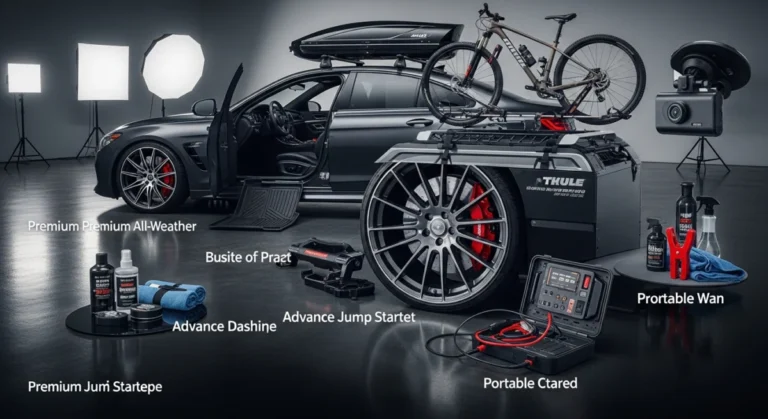
The rack’s construction typically involves crossbars made of materials like aluminum or steel. These bars are connected to towers or feet that attach to the vehicle. Accessories like cargo boxes, bike carriers, and kayak mounts can then be attached to the crossbars, enabling the safe transport of various items.
Benefits and Key Features of Roof Racks
Roof racks provide numerous benefits for city drivers:
- Increased Cargo Capacity: The most obvious benefit is the ability to carry significantly more cargo. This is invaluable for everything from weekend getaways to hauling home improvement supplies.
- Versatility: Roof racks are incredibly versatile and can be adapted to carry a wide range of items with the right accessories.
- Space Optimization: They free up valuable interior space, making travel more comfortable for passengers.
- Protection: When used correctly with proper tie-downs, roof racks keep cargo secure and prevent it from damaging the interior of your vehicle.
- Improved Fuel Efficiency (When Empty): Modern aerodynamic designs minimize drag when the rack isn’t in use, reducing the impact on fuel economy. Although, fuel economy *will* decrease when the roof rack is loaded.
- Aesthetic Appeal: Many modern roof racks have sleek designs that can enhance the look of your vehicle.
Key features to consider when choosing a roof rack include:
- Load Capacity: This is the maximum weight the rack can safely carry. Always check the manufacturer’s specifications and never exceed the limit.
- Aerodynamics: Look for racks with an aerodynamic profile to minimize wind resistance and noise.
- Material: Aluminum racks are lightweight and corrosion-resistant, while steel racks are generally more durable.
- Locking Mechanisms: Locking features help prevent theft of the rack itself and any attached accessories.
- Compatibility: Ensure the rack is compatible with your specific vehicle make and model.
- Ease of Installation: Consider how easy the rack is to install and remove, especially if you plan to use it only occasionally.
- Noise Level: Some racks can generate wind noise at higher speeds. Reading reviews can help you find quieter options.
Installation Tips
Always consult your vehicle’s owner’s manual and the roof rack’s instructions before attempting installation.
Here are some general tips for installing a roof rack:
1. Gather Tools: You’ll typically need a wrench, screwdriver, and possibly a torque wrench. Check the instructions for specific tool requirements. 2. Prepare the Roof: Clean the roof surface where the rack will be mounted to ensure a secure and scratch-free fit. 3. Position the Towers/Feet: Place the towers or feet according to the instructions, ensuring they are properly aligned. 4. Tighten the Fasteners: Use the appropriate torque setting when tightening the fasteners to avoid over-tightening and damaging the roof or the rack. 5. Install the Crossbars: Attach the crossbars to the towers or feet, ensuring they are securely fastened. 6. Double-Check: Before loading any cargo, double-check all connections to ensure everything is secure. 7. Test Drive: Consider taking a short test drive at low speeds to check for any unusual noises or vibrations.
For complex installations, or if you are uncomfortable performing the work yourself, consider having a professional install the roof rack.
Maintenance and Care
Proper maintenance will extend the life of your roof rack and ensure it performs optimally.
- Regular Cleaning: Wash the rack regularly with soap and water to remove dirt, grime, and road salt.
- Inspect for Damage: Periodically inspect the rack for any signs of damage, such as cracks, rust, or loose fasteners.
- Tighten Fasteners: Check and tighten all fasteners regularly, especially after long trips or carrying heavy loads.
- Lubricate Moving Parts: Lubricate any moving parts, such as locking mechanisms, with a suitable lubricant.
- Store Properly: When not in use, store the rack in a dry place to prevent corrosion.
- UV Protection: Consider using a UV protectant spray to prevent fading and cracking of plastic components.
Top Buying Factors for City Driving
When choosing a roof rack for city driving, consider these factors:
1. Vehicle Compatibility: This is the most crucial factor. Use the manufacturer’s fit guide to ensure the rack is compatible with your specific vehicle make, model, and year. 2. Load Capacity: Determine the maximum weight you’ll need to carry and choose a rack with an appropriate load capacity. Consider future needs as well. 3. Size and Clearance: Consider the height of the rack and any accessories, especially if you park in garages or navigate areas with low overhead clearance. 4. Aerodynamics and Noise: Opt for a rack with an aerodynamic design to minimize wind resistance and noise, especially for frequent highway driving. 5. Security: Choose a rack with locking mechanisms to deter theft. 6. Ease of Use: Consider how easy the rack is to install, remove, and adjust. 7. Price: Roof racks range in price from budget-friendly to premium options. Set a budget and choose a rack that offers the best value for your needs. 8. Aesthetics: If you care about the appearance of your vehicle, choose a rack that complements its design. Consider the color and style of the rack. 9. Accessory Compatibility: Ensure the rack is compatible with the accessories you plan to use, such as cargo boxes, bike carriers, or kayak mounts. 10. Durability: Look for racks made from high-quality materials that can withstand the elements and frequent use.
Essential FAQs
1. Will a roof rack damage my car’s roof? With proper installation and maintenance, roof racks should not damage your car’s roof. However, it’s crucial to follow the manufacturer’s instructions and use the correct mounting hardware. Over-tightening fasteners or using incompatible racks can cause damage. 2. How much does a roof rack affect fuel economy? The impact on fuel economy depends on the rack’s design and the load it’s carrying. Aerodynamic racks have a minimal impact when empty. However, adding cargo significantly increases wind resistance and reduces fuel economy. 3. Are roof racks noisy? Some roof racks can generate wind noise, especially at higher speeds. Look for racks with aerodynamic designs and read reviews to find quieter options. Using a wind fairing can also help reduce noise. 4. Can I install a roof rack myself? Many roof racks can be installed by the owner, but it depends on your mechanical skills and the complexity of the installation. If you’re uncomfortable performing the work yourself, it’s best to have a professional install the rack. 5. How do I choose the right size roof rack for my car? Use the roof rack manufacturer’s fit guide, which is typically available on their website. Enter your vehicle’s make, model, and year to find compatible racks.
Conclusion
A roof rack can be a game-changer for city dwellers who need to transport large items or maximize storage space. By understanding the different types of racks, their benefits, and key features, you can choose the right one for your needs and enjoy the increased versatility it provides. Remember to prioritize vehicle compatibility, load capacity, and ease of use. With proper installation and maintenance, a roof rack will become an indispensable tool for navigating the challenges of city living.