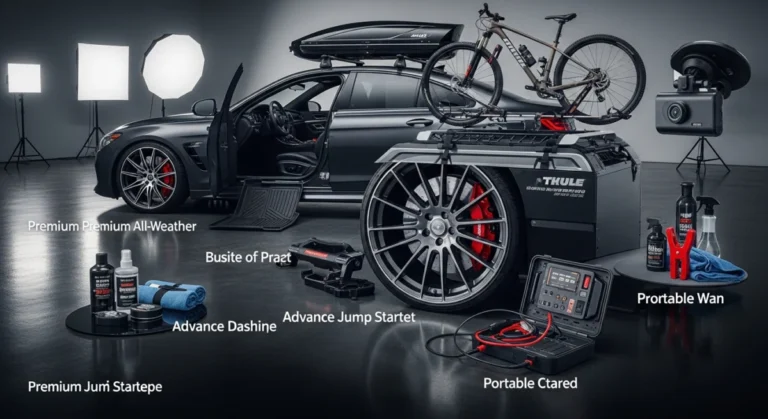
Roof racks: they’re the unsung heroes of road trips, outdoor adventures, and even everyday life for many. According to recent market analysis, the roof rack industry is projected to reach billions in the next few years, fueled by the increasing popularity of outdoor activities and the need for versatile cargo solutions. But slapping a roof rack on your car isn’t always as straightforward as it seems. A poorly installed or improperly chosen roof rack can lead to damage to your vehicle, lost cargo, or, even worse, a serious accident. This guide aims to arm you with the knowledge you need to select, install, and maintain a roof rack safely and effectively, transforming your vehicle into the ultimate gear-hauling machine.
Understanding Roof Racks: The Foundation of Your Adventure
What is a Roof Rack and How Does it Work?
At its core, a roof rack is a system designed to attach securely to your vehicle’s roof, providing a stable platform for carrying items that won’t fit inside. This platform typically consists of two or more crossbars that span the width of the roof, supported by towers or feet that connect to specific mounting points on your vehicle. These mounting points can vary widely depending on the car model, from factory-installed rails or tracks to designated “naked roof” locations. The system works by distributing the weight of the cargo across the roof, preventing damage and ensuring stability.
Benefits and Key Features of a Roof Rack
Increased Cargo Capacity: The most obvious benefit is the significant increase in cargo capacity. Whether it’s kayaks, bikes, skis, luggage, or camping gear, a roof rack allows you to transport bulky items with ease.
Interior Space Optimization: By moving gear to the roof, you free up valuable interior space, making long journeys more comfortable for passengers.
Versatility: Roof racks can be adapted to carry a wide range of items with the appropriate accessories. From cargo boxes and bike carriers to kayak mounts and ski racks, the possibilities are endless.
Improved Fuel Efficiency: Believe it or not, properly packed cargo on a roof rack can sometimes improve fuel efficiency compared to cramming everything inside, especially if it allows you to avoid using a trailer. (This is highly dependent on aerodynamics, of course.)
Key Features to Consider:
- Load Capacity: This is the maximum weight the roof rack can safely carry. Always check your vehicle’s owner’s manual for the roof load capacity and adhere to the lower of the two figures.
- Aerodynamics: Look for roof racks with aerodynamic designs to minimize wind noise and drag, which can impact fuel efficiency.
- Materials: Aluminum is a popular choice for its lightweight and rust-resistant properties. Steel is stronger but heavier.
- Locking Mechanisms: Opt for roof racks with locking mechanisms to deter theft.
- Compatibility: Ensure the roof rack is specifically designed to fit your vehicle’s make, model, and year.
Installation Tips: A Step-by-Step Approach
Preparation is Key:
1. Read the Instructions: Before you even open the box, thoroughly read the manufacturer’s instructions. This will save you time and prevent costly mistakes. 2. Gather Your Tools: Have all the necessary tools on hand, including a torque wrench, measuring tape, Allen wrenches, and a soft cloth or towel to protect your vehicle’s paint. 3. Protect Your Vehicle: Use masking tape around the mounting points to prevent scratches.
Installation Process (General Steps – refer to your manufacturer’s instructions for specific guidance):
1. Identify Mounting Points: Locate the designated mounting points on your vehicle’s roof. This may involve removing plastic covers or accessing pre-drilled holes. 2. Assemble the Towers/Feet: Assemble the towers or feet according to the manufacturer’s instructions. 3. Attach the Towers/Feet to the Vehicle: Secure the towers or feet to the mounting points, ensuring they are properly aligned and tightened to the specified torque. Overtightening can damage your vehicle’s roof! 4. Install the Crossbars: Attach the crossbars to the towers or feet, ensuring they are evenly spaced and securely fastened. 5. Double-Check Everything: Before loading any cargo, double-check that all connections are tight and secure.
Specific Mounting Types & Considerations:
- Factory Rails: Many vehicles come with factory-installed rails running along the roof. Roof racks designed for these rails typically clamp onto them. Ensure the clamps are compatible with the shape and size of your rails.
- Fixed Points: Some vehicles have fixed mounting points concealed under plastic covers. These require specific roof rack systems that bolt directly to these points.
- Naked Roofs: Vehicles without any pre-existing mounting points require roof racks with specialized clamps that grip the door frame. These systems require precise placement and careful tightening to avoid damage.
- Tracks: Tracks are permanently installed rails that allow for adjustable crossbar positioning. Roof racks designed for tracks typically slide into the track and can be locked in place.
Maintenance and Care: Extending the Life of Your Roof Rack
- Regular Cleaning: Wash your roof rack regularly with soap and water to remove dirt, grime, and road salt, especially during winter months.
- Inspect Regularly: Check for any signs of wear, rust, or damage to the towers, crossbars, and mounting hardware.
- Tighten Connections: Periodically tighten all bolts and connections to ensure they are secure.
- Lubricate Moving Parts: Lubricate any moving parts, such as locks and clamps, with a silicone-based lubricant.
- Store Properly: When not in use, store your roof rack in a dry place to prevent rust and corrosion.
- Remove When Not Needed: Removing the roof rack when not in use reduces wind resistance and can improve fuel economy.
Top Buying Factors: Choosing the Right Roof Rack for Your Needs
- Vehicle Compatibility: This is paramount. Use the roof rack manufacturer’s fit guide to ensure the rack is designed for your specific vehicle.
- Load Capacity: Consider the weight of the items you plan to carry and choose a roof rack with a sufficient load capacity. Always stay within the manufacturer’s recommended weight limits.
- Type of Cargo: Different types of cargo require different types of roof rack accessories. Consider the specific items you plan to carry and choose a roof rack that is compatible with the necessary accessories.
- Installation Difficulty: Some roof racks are easier to install than others. Consider your comfort level with DIY projects and choose a roof rack that you are confident you can install correctly.
- Price: Roof racks range in price from a few hundred dollars to over a thousand. Set a budget and choose a roof rack that meets your needs and fits within your budget.
- Brand Reputation: Opt for reputable brands known for quality, durability, and customer support. Thule, Yakima, Rhino-Rack are established brands.
Essential FAQs about Roof Racks
Q1: Will a roof rack damage my car’s roof? A: If installed correctly and the load limits are respected, a roof rack *should not* damage your car’s roof. Always follow the manufacturer’s instructions carefully and use padding where necessary to protect the paint. Overtightening or using an incompatible rack can cause damage.
Q2: Can I leave my roof rack on all the time? A: Yes, you can leave your roof rack on all the time. However, doing so may slightly decrease your fuel efficiency due to increased wind resistance. It also exposes the rack to the elements, potentially shortening its lifespan.
Q3: How do I know if a roof rack is compatible with my vehicle? A: Use the roof rack manufacturer’s fit guide, usually available on their website. You’ll typically need to enter your vehicle’s make, model, and year to find compatible options.
Q4: What’s the difference between a crossbar and a side rail? A: Side rails (or roof rails) run lengthwise along the roof of the vehicle. Crossbars attach to the side rails and run across the width of the vehicle, providing the actual support for cargo.
Q5: Is it difficult to install a roof rack myself? A: The difficulty varies depending on the type of roof rack and your vehicle. Some roof racks are designed for easy DIY installation, while others may require more technical expertise. Always read the instructions carefully and consider seeking professional help if you’re unsure.
Conclusion
Choosing and installing a roof rack is an investment that can significantly enhance your vehicle’s versatility. By understanding the different types of roof racks, their features, and the proper installation techniques, you can ensure a safe and enjoyable experience on all your future adventures. Remember to prioritize safety, follow the manufacturer’s instructions, and maintain your roof rack regularly to maximize its lifespan and performance. With the right roof rack, your car will be ready to carry everything you need, allowing you to focus on the journey ahead.