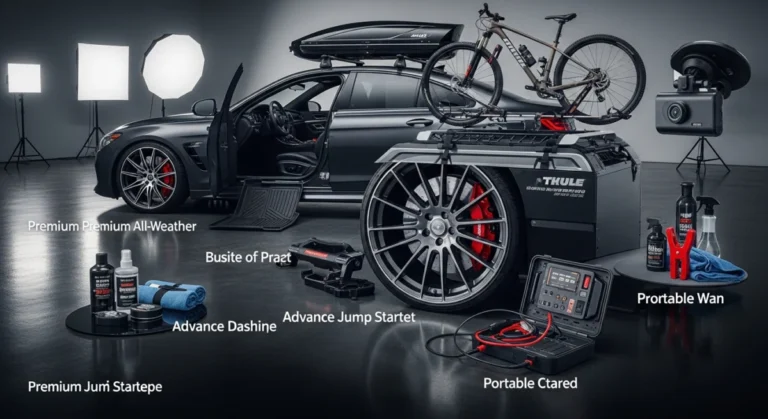
Roof racks: turning your vehicle into a cargo-carrying champion. Did you know that the global automotive roof rack market is projected to reach billions of dollars in the coming years? Whether you’re hauling kayaks, bikes, luggage, or lumber, a roof rack expands your vehicle’s carrying capacity and opens up a world of adventure. But with so many vehicle roof types and rack options, choosing the right one can feel overwhelming. This guide breaks down everything you need to know about roof racks for different roof types, ensuring you make the perfect selection for your needs and your vehicle.
Understanding Roof Racks and Roof Types
What is a Roof Rack and How Does It Work?
A roof rack is a system designed to attach to the roof of a vehicle, providing a secure platform for carrying cargo. Fundamentally, it consists of two or more crossbars that span the width of the vehicle, supported by towers or mounting feet. These towers are the key to adapting the rack to different roof types, as they utilize various clamping, bolting, or adhesive mechanisms.
The core principle is load distribution. Instead of concentrating the weight in a single point, the roof rack spreads it across the vehicle’s roof structure. This prevents damage and allows you to carry significantly more weight than you could by simply throwing something on the roof. Modern roof racks are engineered with aerodynamic considerations, minimizing wind resistance and noise.
Benefits and Key Features of a Roof Rack
Increased Cargo Capacity: The most obvious benefit is the ability to carry bulky items that won’t fit inside your vehicle.
Versatility: Roof racks can be adapted to carry a wide range of gear with specialized accessories, such as bike carriers, kayak racks, ski racks, cargo boxes, and more.
Protection: Prevents damage to the interior of your vehicle by keeping dirty or bulky items outside.
Improved Aerodynamics (with some models): Many modern racks are designed with aerodynamics in mind to reduce wind noise and drag.
Aesthetic Appeal: For some, a roof rack enhances the look of their vehicle, giving it a rugged or adventurous appearance.
Key Features to Look For:
- Load Capacity: Ensure the rack’s load capacity meets your needs. *Always* adhere to the vehicle manufacturer’s roof load limits, which is available in your owner’s manual.
- Materials: Aluminum is lightweight and corrosion-resistant, while steel is stronger but heavier.
- Aerodynamics: Look for racks with aerodynamic profiles to reduce wind noise and drag.
- Ease of Installation: Some racks are easier to install than others. Consider your DIY skills.
- Locking Mechanisms: For security, choose a rack with locking towers or crossbars to prevent theft.
- Compatibility: Verify the rack is compatible with your specific vehicle make, model, and year.
Roof Rack Options for Different Roof Types
The crucial factor in choosing the right roof rack is understanding your vehicle’s roof type. Here’s a breakdown:
Vehicles with Factory Raised Rails
What are Raised Rails?
Raised rails are rails that run lengthwise along the roof of the vehicle, typically with a visible gap between the rail and the roof itself. They are a common feature on SUVs and wagons.
How Roof Racks Work with Raised Rails
Roof racks designed for raised rails use towers or feet that clamp directly onto the rails. This is typically the easiest and most secure type of roof rack to install.
Benefits and Key Features
Easy Installation: Raised rail systems are typically the easiest to install. Secure Attachment: The clamping mechanism provides a strong and secure hold. Adjustability: Many systems allow you to adjust the position of the crossbars along the rails.
Installation Tips
- Ensure the feet are properly tightened to the rails.
- Double-check the torque specifications provided by the manufacturer.
- Avoid over-tightening, which can damage the rails.
Maintenance and Care
- Regularly inspect the clamps for any signs of damage or wear.
- Clean the rails and clamps to remove dirt and debris.
- Tighten the clamps periodically to ensure a secure fit.
Top Buying Factors
- Rail Size and Shape: Ensure the rack is compatible with your specific rail dimensions.
- Load Capacity: Consider the weight you plan to carry.
- Adjustability: Look for adjustable clamps to accommodate different rail sizes.
Vehicles with Factory Flush Rails
What are Flush Rails?
Flush rails are rails that run lengthwise along the roof of the vehicle, but they sit flush against the roof without any visible gap. They are a sleeker, more integrated design often found on modern SUVs and crossovers.
How Roof Racks Work with Flush Rails
Roof racks for flush rails use specialized towers that grip the rails from the side or bottom. These systems are designed to provide a secure attachment without damaging the vehicle’s finish.
Benefits and Key Features
Aesthetic Appeal: Flush-mounted systems often have a cleaner, more integrated look. Aerodynamics: The close-fitting design can improve aerodynamics. Secure Attachment: Despite the sleek design, these systems offer a strong and reliable hold.
Installation Tips
- Follow the manufacturer’s instructions carefully.
- Pay close attention to the positioning of the towers.
- Incorrect installation can damage the rails or the vehicle’s roof.
Maintenance and Care
- Regularly inspect the towers for any signs of damage or wear.
- Clean the rails and towers to remove dirt and debris.
- Check the tightness of the mounting hardware periodically.
Top Buying Factors
- Rail Compatibility: Verify the rack is specifically designed for your vehicle’s flush rails.
- Grip Strength: Look for a system with a strong and reliable grip.
- Protection: Ensure the towers have protective pads to prevent scratching the rails.
Vehicles with Fixed Mounting Points
What are Fixed Mounting Points?
Some vehicles come equipped with fixed mounting points or threaded holes under plastic covers in the roof. These points are designed to accommodate specific roof rack systems.
How Roof Racks Work with Fixed Mounting Points
Roof racks for fixed mounting points utilize towers that bolt directly into these pre-existing points. This provides a very secure and stable attachment.
Benefits and Key Features
Secure and Stable: Bolting the towers directly to the vehicle provides a very strong and reliable connection. Easy Installation: The pre-existing mounting points simplify the installation process. Specific Fit: These systems are designed specifically for your vehicle model.
Installation Tips
- Locate the fixed mounting points under the roof trim.
- Use the correct bolts and torque specifications.
- Avoid over-tightening, which can damage the mounting points.
Maintenance and Care
- Regularly check the bolts for tightness.
- Inspect the mounting points for any signs of corrosion or damage.
Top Buying Factors
- Vehicle Compatibility: Ensure the rack is designed specifically for your vehicle’s fixed mounting points.
- Bolt Quality: Use high-quality bolts that are resistant to corrosion.
- Torque Specifications: Follow the manufacturer’s torque specifications precisely.
Vehicles with Naked Roofs (No Rails or Mounting Points)
What is a Naked Roof?
A naked roof is a roof that has no pre-existing rails or mounting points. This is common on many sedans and some hatchbacks.
How Roof Racks Work with Naked Roofs
Roof racks for naked roofs use towers with specialized clips or hooks that grip the edges of the door frame or the roof itself. These systems rely on tension and friction to hold the rack in place.
Benefits and Key Features
Versatility: Can be used on vehicles without pre-existing mounting points. Non-Permanent: The rack can be easily removed when not needed. Adaptability: Some systems can be adapted to fit different vehicles.
Installation Tips
- Follow the manufacturer’s instructions carefully.
- Ensure the clips are properly positioned and tightened.
- Incorrect installation can damage the door frame or the roof.
- Periodically check and re-tighten the clips, especially after the first few uses.
Maintenance and Care
- Regularly inspect the clips for any signs of damage or wear.
- Clean the clips and contact surfaces to remove dirt and debris.
- Protect the contact points on the roof with clear protective film.
Top Buying Factors
- Clip Design: Look for clips that are designed to fit your specific vehicle’s door frame.
- Grip Strength: Ensure the clips provide a strong and reliable grip.
- Padding: Look for padded clips to protect the vehicle’s finish.
Roof Rack Fairings
Roof rack fairings are aerodynamic shields that attach to the front crossbar of a roof rack. They redirect airflow over the rack, reducing wind noise and drag, and improving fuel efficiency (though marginally). They’re particularly beneficial for longer trips where wind resistance becomes a significant factor. Some drivers simply prefer the look of a fairing.
Essential FAQ About Roof Racks
Q: How much weight can my roof rack carry?
A: Always refer to your vehicle’s owner’s manual for the maximum roof load capacity. Exceeding this weight limit can damage your vehicle. Also, check the roof rack manufacturer’s specified load capacity, and use the LOWER of the two figures.
Q: Will a roof rack damage my car?
A: If installed correctly and used within the specified weight limits, a roof rack *should not* damage your car. However, improper installation or overloading can cause dents, scratches, or even structural damage.
Q: Are roof racks universal?
A: No, roof racks are not generally universal. They are designed to fit specific roof types and vehicle models. Always check the manufacturer’s compatibility information before purchasing.
Q: Can I leave my roof rack on all the time?
A: Yes, you can leave your roof rack on all the time. However, consider removing it when not in use to reduce wind noise and improve fuel efficiency, especially for “naked roof” clip-on systems, which can sometimes leave slight marks over longer periods.
Q: How do I prevent my roof rack from being stolen?
A: Choose a roof rack with locking mechanisms, such as locking towers or crossbars. You can also purchase additional security accessories, such as cable locks, to further deter theft.
Conclusion
Choosing the right roof rack for your vehicle’s roof type is essential for safe and efficient cargo transport. By understanding the different roof types, the available rack options, and the key features to look for, you can make an informed decision that meets your needs and protects your vehicle. Remember to always follow the manufacturer’s instructions carefully during installation and maintenance, and prioritize safety above all else. With the right roof rack, you’ll be ready to tackle any adventure, big or small.