Embarking on a road trip or family vacation often involves a common challenge: not enough space! The solution? A luggage roof rack. More than just a metal frame, a roof rack is a versatile extension of your vehicle, providing the extra cargo capacity you need without compromising passenger comfort inside. Studies show that nearly 40% of drivers experience cargo space limitations during long trips, making roof racks a practical and increasingly popular solution. Let’s dive into the world of luggage roof racks and explore how to choose, install, and maintain the right one for your needs.
Luggage Roof Racks: Your Guide to Expanding Cargo Capacity
A luggage roof rack, also known as a roof cargo carrier, is a system designed to securely attach luggage, equipment, and other cargo to the roof of a vehicle. It essentially acts as an external storage compartment, freeing up valuable space inside the car. These systems typically consist of two or more crossbars that span the width of the vehicle’s roof and a means of attaching those bars to the vehicle’s roof (e.g., roof rails, fixed points, or bare roof).
How Roof Racks Work
The core function is simple: to create a stable and secure platform for carrying cargo. Here’s a breakdown of the process:
- Base Rails/Towers: These are the foundation, attaching directly to your vehicle’s roof. The attachment method varies depending on your car’s existing roof structure. Common types include:
- Factory-Installed Rails: Raised rails that run lengthwise along the roof.
- Fixed Points: Pre-drilled and tapped mounting points hidden under a panel.
- Bare Roof: Requires a specialized clamp system that grips the door frame.
- Crossbars: These bars connect to the base rails or towers, creating the horizontal support for your cargo. They’re usually made of aluminum or steel and come in various shapes (square, round, aero) to minimize wind noise and drag.
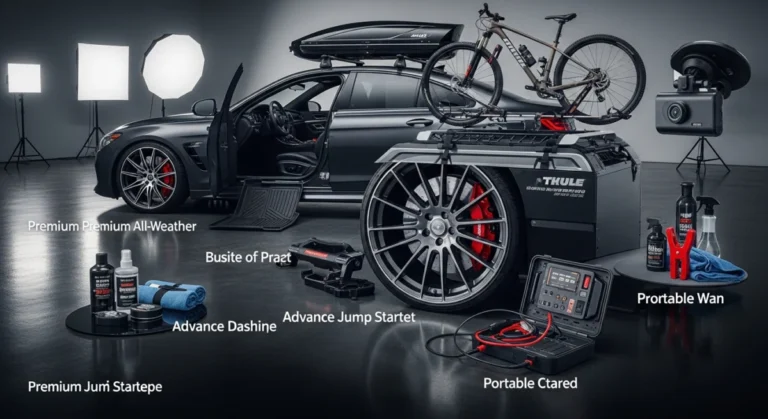
- Accessories (Optional): Roof boxes, cargo baskets, bike carriers, kayak carriers, and ski/snowboard racks can then be attached to the crossbars.
Benefits and Key Features of Luggage Roof Racks
Investing in a luggage roof rack offers a multitude of advantages:
- Increased Cargo Capacity: The most obvious benefit is the extra space for luggage, camping gear, sports equipment, and more.
- Passenger Comfort: Relieve cramped conditions inside the vehicle by moving bulky items to the roof, improving passenger comfort during long drives.
- Versatility: Roof racks are compatible with a wide range of accessories, allowing you to customize your setup for specific activities (biking, kayaking, skiing).
- Protection of Vehicle Interior: Prevent damage to your car’s interior from dirty or bulky items like skis, muddy boots, or camping equipment.
- Improved Fuel Efficiency (With Aerodynamic Designs): Modern roof racks, especially those with aerodynamic crossbars and streamlined cargo boxes, are designed to minimize wind resistance and maintain reasonable fuel economy.
- Enhanced Safety: Properly secured cargo on a roof rack is safer than loose items inside the vehicle, which can become projectiles in the event of an accident.
Key Features to Consider
- Weight Capacity: This is crucial! Always check the manufacturer’s specifications for the maximum weight the roof rack can safely carry and never exceed it. Consider both the static weight (when parked) and dynamic weight (when driving).
- Aerodynamic Design: Look for crossbars and cargo boxes designed to reduce wind resistance and noise. Aerodynamic designs can improve fuel efficiency and create a quieter ride.
- Durability and Materials: Aluminum and steel are common materials. Aluminum is lightweight and rust-resistant, while steel is strong and durable.
- Locking Mechanisms: Consider roof racks with locking mechanisms to prevent theft of the rack itself or accessories attached to it.
- Compatibility: Ensure the roof rack is specifically designed to fit your vehicle’s make, model, and year.
- Ease of Installation: Some roof racks are easier to install than others. Consider your DIY skills and choose a system that you can confidently install yourself, or opt for professional installation.
- Adjustability: Adjustable crossbars allow you to customize the spacing to accommodate different cargo types and sizes.
- Weather Resistance: Choose materials and designs that can withstand the elements, including rain, snow, and sun exposure.
Installation Tips for Luggage Roof Racks
Installation complexity varies greatly depending on the type of roof rack and your vehicle’s roof type. Here are general tips and considerations:
- Read the Instructions: This is the most important step! Carefully read and understand the manufacturer’s instructions before you begin.
- Gather Your Tools: Make sure you have all the necessary tools, such as wrenches, screwdrivers, and measuring tapes.
- Clean the Roof: Clean the roof of your vehicle before installing the roof rack to ensure a secure and stable mounting surface.
- Torque Specifications: Pay close attention to torque specifications for all bolts and fasteners. Over-tightening can damage the roof rack or your vehicle’s roof, while under-tightening can lead to instability. Use a torque wrench for accurate tightening.
- Proper Spacing: Ensure the crossbars are properly spaced according to the manufacturer’s recommendations.
- Secure Attachment: Double-check that all components are securely attached before loading any cargo.
- Professional Installation: If you’re unsure about any aspect of the installation process, consider having a professional install the roof rack for you.
Specific Considerations Based on Roof Type:
- Factory Rails: Usually the easiest to install. Crossbars typically clamp onto the rails.
- Fixed Points: Involves removing a small panel to reveal the mounting points.
- Bare Roof: Requires a specialized clamp system that grips the door frame. Careful alignment and tightening are crucial.
Maintenance and Care of Luggage Roof Racks
Proper maintenance will extend the life of your roof rack and ensure it continues to perform safely and reliably:
- Regular Inspections: Periodically inspect the roof rack for any signs of damage, such as cracks, rust, or loose components.
- Tighten Fasteners: Regularly check and tighten all bolts and fasteners to ensure they are secure.
- Cleaning: Clean the roof rack regularly with soap and water to remove dirt, grime, and road salt.
- Lubrication: Lubricate moving parts, such as locks and hinges, with a suitable lubricant to prevent corrosion and ensure smooth operation.
- Storage: When not in use, store the roof rack in a dry and protected place to prevent damage.
- UV Protection: Consider using a UV protectant spray on plastic components to prevent fading and cracking from sun exposure.
Top Buying Factors for Luggage Roof Racks
Choosing the right luggage roof rack can feel overwhelming. Focus on these key factors:
- Vehicle Compatibility: This is non-negotiable. Use a vehicle compatibility tool or consult with a retailer to ensure the roof rack is designed for your specific vehicle.
- Cargo Needs: Consider the type and amount of cargo you typically carry. This will help you determine the required weight capacity and the need for accessories like cargo boxes or bike carriers.
- Budget: Roof racks range in price from a few hundred dollars to over a thousand dollars. Set a budget and research options within your price range.
- Brand Reputation: Choose a reputable brand known for quality and durability. Read reviews from other customers to get an idea of their experiences.
- Installation Difficulty: Assess your DIY skills and choose a roof rack that you can confidently install yourself or that can be easily installed by a professional.
- Noise Level: If you’re concerned about wind noise, look for roof racks with aerodynamic designs.
- Aesthetics: Consider the appearance of the roof rack and choose one that complements the look of your vehicle.
- Warranty: Check the warranty offered by the manufacturer. A longer warranty indicates greater confidence in the product’s quality.
Essential FAQs about Luggage Roof Racks
- Q: Will a roof rack damage my car’s roof?
- A: If installed correctly and used within the specified weight capacity, a roof rack should not damage your car’s roof. However, improper installation or overloading can cause damage. Regular inspections and maintenance are also important.
- Q: How much weight can my roof rack carry?
- A: The weight capacity varies depending on the roof rack and your vehicle. Always check the manufacturer’s specifications for both. Do NOT exceed the lower of the two weight limits.
- Q: Can I install a roof rack myself?
- A: Yes, many roof racks are designed for DIY installation. However, some installations are more complex than others. If you’re unsure, consider professional installation.
- Q: Will a roof rack affect my fuel economy?
- A: Yes, a roof rack can slightly reduce your fuel economy due to increased wind resistance. Aerodynamic designs can minimize this effect. Remove the roof rack when not in use to maximize fuel efficiency.
- Q: Can I leave my roof rack on my car all the time?
- A: Yes, you can leave your roof rack on your car all the time. However, removing it when not in use can improve fuel economy and reduce wind noise.
Conclusion
A luggage roof rack is an investment that can significantly enhance your vehicle’s utility and versatility. By carefully considering your needs, researching your options, and following proper installation and maintenance procedures, you can enjoy the benefits of increased cargo capacity, improved passenger comfort, and enhanced safety on your next adventure. So, gear up, load up, and hit the road with confidence, knowing that you have the extra space you need.