So, you’re thinking of adding a roof rack to your vehicle? Excellent choice! They’re incredibly versatile, opening up a world of possibilities for hauling gear, from kayaks and bikes to luggage and lumber. But before you rush out and buy one, there’s a critical factor you absolutely need to understand: legal height limits when using roof racks. Ignoring this can lead to costly fines, damage to your vehicle, and even dangerous accidents. We’re going to dive deep into everything you need to know to stay within the law and keep your adventures safe. Let’s get started!
Understanding Legal Height Limits and Roof Racks
What are Legal Height Limits?
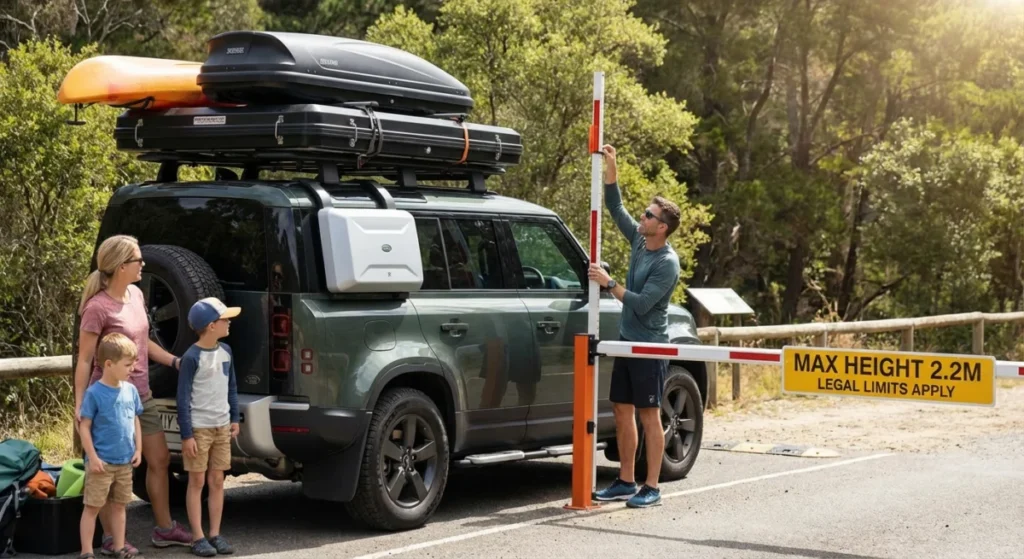
Legal height limits are the maximum permissible vertical height a vehicle can reach while traveling on public roads. These limits are established by local, state, and federal authorities to ensure vehicles can safely pass under bridges, overpasses, tunnels, and other overhead structures. Exceeding these limits poses a significant risk of collision, property damage, and potential injury.
These limits aren’t uniform across the board. They vary from region to region, and even from specific roads to specific roads within the same region. This is due to differing infrastructure and terrain. It’s your responsibility as the driver to know and adhere to the height restrictions in areas you’re driving through.
How Height Limits Work With Roof Racks
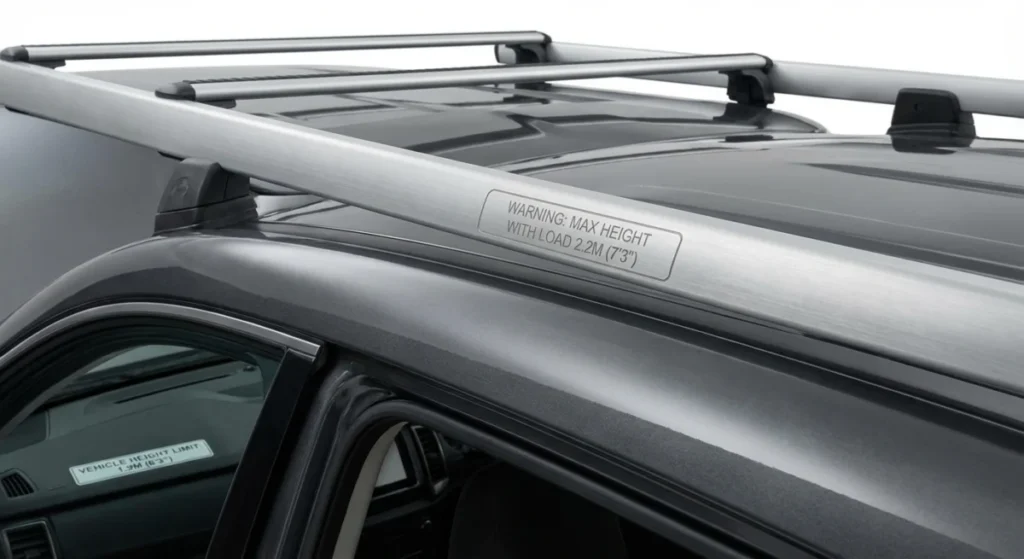
A roof rack, whether it’s a basic crossbar system or a more elaborate cargo carrier, inherently *increases* the overall height of your vehicle. The rack itself adds height, and whatever you load on top of it adds even more. This is where things get tricky. You need to accurately calculate your vehicle’s *total* height *after* the roof rack and cargo are installed.
Ignoring this calculation, and exceeding the posted clearance height on a bridge or tunnel, can result in serious consequences. Imagine the jarring impact of a kayak scraping against a low overpass – at best, you’ll damage your gear and vehicle; at worst, you could cause a major accident.

Benefits and Key Features of Height-Aware Roof Rack Use
Understanding and adhering to height limits isn’t just about avoiding fines; it’s about safety and peace of mind.
- Safety First: Avoiding collisions with overhead obstacles protects you, your passengers, and other drivers.
- Preventing Damage: Proper height awareness saves your vehicle, your gear, and public infrastructure from costly damage.
- Legal Compliance: Knowing your vehicle’s height ensures you’re operating within the boundaries of the law. This is essential to comply with vehicle height laws.
- Stress-Free Travel: Traveling with confidence, knowing you’re not going to have an unpleasant encounter with a low bridge, makes for a much more enjoyable trip.
- Route Planning: Being aware of your height allows you to plan routes strategically, avoiding areas with known low clearances.
Key features to consider when trying to be height-aware with roof racks include:
- Adjustable Rack Systems: Some racks offer adjustable height settings, allowing you to fine-tune the overall height depending on your cargo.
- Low-Profile Designs: Look for rack systems designed to sit as close to the vehicle’s roof as possible, minimizing the added height.
- Cargo Carriers with Height Indicators: Some premium cargo carriers have integrated height gauges or indicators to help you quickly assess the total vehicle height.
- Smartphone Apps: There are mobile apps that allow you to input your vehicle’s dimensions and receive alerts about low clearances along your route. These apps leverage GPS data and publicly available information to help drivers stay aware of vertical clearance.
Installation Tips for Minimizing Height Impact
Proper installation is critical for maximizing roof rack safety and minimizing its impact on your vehicle’s overall height.
- Read the Instructions: Always follow the manufacturer’s installation instructions meticulously. Incorrect installation can lead to instability and increased height.
- Use the Right Tools: Use the correct tools for the job. Overtightening or using the wrong tools can damage the rack or your vehicle’s roof.
- Professional Installation (Optional): If you’re not comfortable with DIY, consider having a professional install the rack. They have the expertise to ensure it’s properly installed and securely mounted.
- Tighten Securely, but Don’t Overtighten: Torque the bolts to the manufacturer’s specifications. Overtightening can damage the mounting points.
- Double-Check Everything: After installation, double-check all connections to ensure they are secure and that the rack is properly aligned.
Maintenance and Care for Height-Conscious Roof Rack Use
Maintaining your roof rack is essential for safety and longevity, especially when considering height limits.
- Regular Inspections: Regularly inspect the rack for any signs of damage, wear, or looseness. Pay close attention to mounting points and hardware.
- Tighten Loose Bolts: Periodically check the bolts and tighten them as needed. Vibrations from driving can cause them to loosen over time.
- Clean the Rack: Keep the rack clean to prevent corrosion and maintain its structural integrity. Use a mild soap and water solution.
- Lubricate Moving Parts: Lubricate any moving parts, such as hinges or sliding mechanisms, to ensure smooth operation.
- Store Properly: When the rack is not in use, store it in a dry place to prevent rust and damage.
- Re-torque After Initial Use: Re-torque all bolts after the first few uses, as the rack may settle slightly.
Top Buying Factors for Roof Racks and Height
Choosing the right roof rack is crucial for staying within legal height limits and ensuring a safe and enjoyable experience.
- Vehicle Compatibility: Ensure the rack is specifically designed to fit your vehicle’s make, model, and year. Universal racks may not fit properly and can compromise safety.
- Load Capacity: Choose a rack with a load capacity that meets your needs. Don’t exceed the manufacturer’s recommended weight limit. Exceeding the limit can compromise the structural integrity of the roof and create a dangerous situation regarding height clearance.
- Rack Height: Select a rack with a low profile to minimize its impact on your vehicle’s overall height. A lower rack reduces the chances of exceeding height limits.
- Cargo Type: Consider the type of cargo you’ll be carrying. Different types of cargo may require different rack systems or accessories. Some roof rack accessories can also increase height.
- Ease of Installation: Choose a rack that is easy to install and remove. This will save you time and effort.
- Build Quality: Opt for a rack made from durable materials that can withstand the elements. A high-quality rack will last longer and provide better security for your cargo.
- Aerodynamics: Consider the rack’s aerodynamic design. A more aerodynamic rack will reduce wind resistance and improve fuel economy, although this often comes with a slight increase in height.
- Price: Set a budget and compare prices from different manufacturers. Don’t sacrifice quality for price. It’s better to invest in a high-quality rack that will last for years.
- Reviews: Read reviews from other customers to get an idea of the rack’s performance and reliability.
- Warranty: Check the manufacturer’s warranty. A longer warranty indicates greater confidence in the product’s quality.
Essential FAQs About Legal Height Limits and Roof Racks
- Q: How do I accurately measure my vehicle’s height with a roof rack?
A: Park your vehicle on a level surface. Start by measuring the height of your vehicle without the rack. Then, install the roof rack and any cargo carriers you plan to use. Measure the distance from the ground to the highest point of the installed rack or cargo carrier. Add this measurement to your vehicle’s original height to get the total height. *Always* round up to the nearest inch to provide a safety margin.
- Q: Where can I find the legal height limit for roads I’m traveling on?
A: Look for posted clearance signs near bridges, overpasses, and tunnels. These signs indicate the maximum vertical clearance for vehicles. You can also consult state and local transportation departments’ websites for detailed information on height restrictions in specific areas. Many GPS navigation systems also provide alerts for low clearances.
- Q: What happens if I exceed the legal height limit?
A: Exceeding the legal height limit can result in fines, damage to your vehicle and the overhead structure, and even accidents. In some cases, drivers may be held liable for the cost of repairing damaged infrastructure. It’s crucial to be aware of your vehicle’s height and to avoid roads with low clearances.
- Q: Can I get a ticket for exceeding the height limit even if I didn’t hit anything?
A: Yes, you can. Many jurisdictions have laws that prohibit operating a vehicle that exceeds the posted height limit, regardless of whether a collision occurred. The intent is to prevent accidents and protect infrastructure.
- Q: Are there any technologies that can help me avoid low clearances?
A: Yes, there are several technologies available. GPS navigation systems and smartphone apps can provide alerts for low clearances along your route. Some vehicles also have integrated height sensors that can warn you if you’re approaching a low overhead structure. These technologies should be used as aids, but always rely on visual confirmation of clearance signs.
In conclusion, understanding and adhering to legal height limits when using roof racks is paramount for safety and compliance. By choosing the right rack, installing it properly, maintaining it regularly, and staying informed about height restrictions, you can enjoy the benefits of a roof rack without putting yourself or others at risk. Always measure, always check, and always prioritize safety on the road. Happy travels!