Custom-fit roof racks are the unsung heroes of adventure, enabling you to transport everything from kayaks and bikes to luggage and building materials. But with a bewildering array of options, choosing the right one can feel overwhelming. According to recent market research, the roof rack industry is experiencing a steady growth of 5% annually, driven by increasing interest in outdoor activities and DIY projects. Choosing the wrong rack, however, can lead to damage to your vehicle, lost cargo, or even dangerous accidents. This comprehensive guide will equip you with the knowledge needed to navigate the world of custom-fit roof racks and select the perfect system for your needs.
What is a Custom-Fit Roof Rack and How Does It Work?
A custom-fit roof rack is a vehicle accessory designed to securely mount cargo on the roof of your car, truck, or SUV. Unlike universal roof racks that attempt to fit a wide range of vehicles, custom-fit racks are specifically engineered to match the precise contours and mounting points of a particular make, model, and year. This ensures a safer, more secure, and aesthetically pleasing installation.
Understanding the Components
A typical custom-fit roof rack system comprises several key components:
- Towers (or Feet): These are the base of the system and attach directly to your vehicle’s roof. The towers determine the rack’s compatibility with your specific vehicle. They often utilize existing mounting points (factory rails, fixed points, or door frames) or clamp onto the vehicle’s roof edge.
- Crossbars: These bars span the width of your vehicle and provide the support surface for your cargo. They’re typically made from aluminum or steel and come in various shapes (round, square, aero) to optimize aerodynamics and minimize wind noise.
- Fit Kit (or Mounting Hardware): This essential component bridges the gap between the towers and your vehicle’s roof. It includes vehicle-specific brackets, rubber pads, and hardware that ensure a snug and secure fit without damaging your vehicle’s paint or roof.
- Locks: These offer added security to prevent theft of the entire rack system. They usually integrate into the towers.
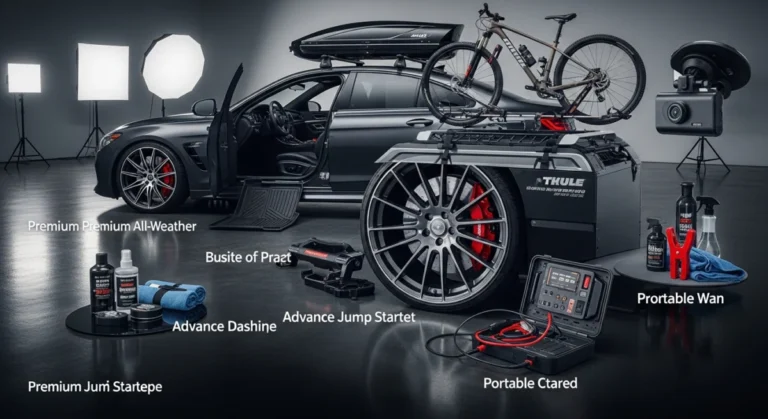
- Accessories: This vast category includes load stops, tie-down straps, kayak carriers, bike racks, luggage boxes, and other items designed to transport specific types of cargo safely.
How They Work
Custom-fit roof racks work by distributing the weight of your cargo evenly across your vehicle’s roof structure. The towers attach to the designated mounting points, and the crossbars provide a stable platform for securing your gear. The fit kit ensures that the towers are properly aligned and securely fastened, preventing movement or slippage during transit. The system is designed to handle a specific load capacity, which is determined by the vehicle manufacturer and the roof rack manufacturer. Exceeding this load capacity can compromise safety and damage your vehicle.
Benefits and Key Features of Custom-Fit Roof Racks
Investing in a custom-fit roof rack offers numerous advantages over universal options:
- Superior Fit: As the name suggests, custom-fit racks provide a precise fit, minimizing the risk of damage to your vehicle. They are designed to perfectly integrate with your vehicle’s existing features.
- Enhanced Safety: A secure fit translates to enhanced safety. A properly installed custom-fit rack minimizes the risk of cargo shifting or the rack detaching from your vehicle during transit.
- Optimized Load Capacity: Custom-fit racks are engineered to handle the specific load capacity of your vehicle’s roof, ensuring you can safely transport your gear.
- Reduced Wind Noise: Many custom-fit racks feature aerodynamic designs that minimize wind resistance and noise, making for a more pleasant driving experience.
- Aesthetic Appeal: Custom-fit racks are designed to complement the lines of your vehicle, enhancing its overall appearance. They often have a sleek and integrated look.
- Easy Installation: While some universal racks can be cumbersome to install, custom-fit racks are typically designed for straightforward installation, often with detailed instructions and vehicle-specific hardware.
- Durability: Reputable manufacturers use high-quality materials that are resistant to corrosion and wear, ensuring that your roof rack will last for years to come.
Key Features to Look For
When choosing a custom-fit roof rack, consider these key features:
- Load Capacity: Match the rack’s load capacity to your anticipated cargo needs and your vehicle’s roof load rating. *Never exceed the manufacturer’s stated load capacity.*
- Material: Aluminum is lightweight, corrosion-resistant, and strong, making it an excellent choice. Steel is more durable but also heavier.
- Aerodynamic Design: Look for racks with aerodynamic crossbars (e.g., wing-shaped) to reduce wind noise and improve fuel efficiency.
- Locking Mechanism: Security is paramount. Choose a rack with a robust locking system to prevent theft.
- Compatibility with Accessories: Ensure that the rack is compatible with the accessories you plan to use, such as bike racks, kayak carriers, and luggage boxes.
- Ease of Installation: Consider your DIY skills and choose a rack with clear instructions and minimal assembly required.
Installation Tips for Custom-Fit Roof Racks
While professional installation is always an option, many custom-fit roof racks are designed for DIY installation. Here are some tips to ensure a successful installation:
- Read the Instructions: This may seem obvious, but carefully reading and understanding the manufacturer’s instructions is crucial.
- Gather Your Tools: Make sure you have all the necessary tools, such as wrenches, screwdrivers, and torque wrenches, before you begin.
- Protect Your Vehicle: Use masking tape or a protective cloth to prevent scratches to your vehicle’s paint during installation.
- Torque to Spec: Use a torque wrench to tighten all bolts to the manufacturer’s specified torque settings. Overtightening can damage the rack or your vehicle.
- Double-Check Everything: After installation, double-check that all components are securely fastened and properly aligned.
- Test Drive: Before loading up your gear, take a short test drive to ensure that the rack is stable and secure. Listen for any unusual noises or vibrations.
Maintenance and Care of Your Roof Rack
Proper maintenance and care will extend the life of your custom-fit roof rack and ensure its continued performance:
- Regular Cleaning: Wash your roof rack regularly with soap and water to remove dirt, road salt, and other debris.
- Inspect Regularly: Inspect your roof rack periodically for signs of wear, damage, or corrosion. Pay close attention to the towers, crossbars, and mounting hardware.
- Tighten Bolts: Check the torque of all bolts regularly, especially after extended use.
- Lubricate Locks: Lubricate the locking mechanisms with a silicone-based lubricant to keep them working smoothly.
- Store Properly: When not in use, store your roof rack in a dry, protected place to prevent corrosion and damage.
- Replace Worn Parts: Replace any worn or damaged parts promptly to maintain the rack’s integrity and safety.
Top Buying Factors for Custom-Fit Roof Racks
Choosing the right custom-fit roof rack requires careful consideration of several factors:
1. Vehicle Compatibility: This is paramount. Ensure that the rack is specifically designed for your make, model, and year. Use the manufacturer’s fit guide or online configurator to confirm compatibility. 2. Load Capacity: Determine the maximum weight you plan to carry and choose a rack with a sufficient load capacity. Remember to factor in the weight of the rack itself. 3. Intended Use: Consider the types of cargo you plan to transport. Different activities (e.g., kayaking, biking, camping) require different accessories and rack configurations. 4. Budget: Roof racks range in price from a few hundred dollars to over a thousand dollars. Set a budget and compare features and benefits within your price range. 5. Brand Reputation: Choose a reputable brand known for quality, durability, and customer support. Look for reviews and ratings from other users. 6. Ease of Installation: If you plan to install the rack yourself, consider its ease of installation and the clarity of the instructions. 7. Aesthetics: Choose a rack that complements the appearance of your vehicle. Consider the style, color, and overall design. 8. Security: Select a rack with a robust locking system to deter theft.
Essential FAQs About Custom-Fit Roof Racks
1. How do I know if a roof rack will fit my car?
- Always use the manufacturer’s fit guide or online configurator. These tools will ask for your vehicle’s make, model, and year to determine compatibility.
2. What is the difference between a “fixed point” and a “raised rail” roof rack system?
- “Fixed point” systems attach to designated mounting points hidden under the vehicle’s roof trim. “Raised rail” systems attach to rails that run along the length of the vehicle’s roof.
3. Can I install a custom-fit roof rack myself, or do I need to take it to a professional?
- Many custom-fit roof racks are designed for DIY installation, but it depends on your comfort level and the complexity of the installation. If you’re unsure, professional installation is recommended.
4. What is the weight limit for a roof rack?
- The weight limit is specified by both the vehicle manufacturer *and* the roof rack manufacturer. *Always* adhere to the *lower* of the two ratings.
5. How often should I check the tightness of the bolts on my roof rack?
- It’s recommended to check the tightness of the bolts before each trip and at least monthly, especially during the first few weeks after installation.
Conclusion
Investing in a custom-fit roof rack is a smart decision for anyone who needs to transport gear safely and efficiently. By understanding the components, benefits, and key features of these systems, you can choose the perfect rack for your vehicle and your lifestyle. Remember to prioritize safety, consider your budget, and always follow the manufacturer’s instructions for installation and maintenance. With the right custom-fit roof rack, you can unlock a world of adventure and expand the capabilities of your vehicle.