Parked cars, seemingly safe and secure, are actually under constant assault from the elements. From the relentless sun to destructive hail, weather damage can significantly depreciate your vehicle’s value, mar its appearance, and even compromise its safety. But understanding these threats and taking proactive steps can help you protect your investment and keep your ride looking its best. Let’s dive deep into the world of weather-related automotive woes and explore practical solutions.
The Silent Threat: Weather Damage to Parked Cars
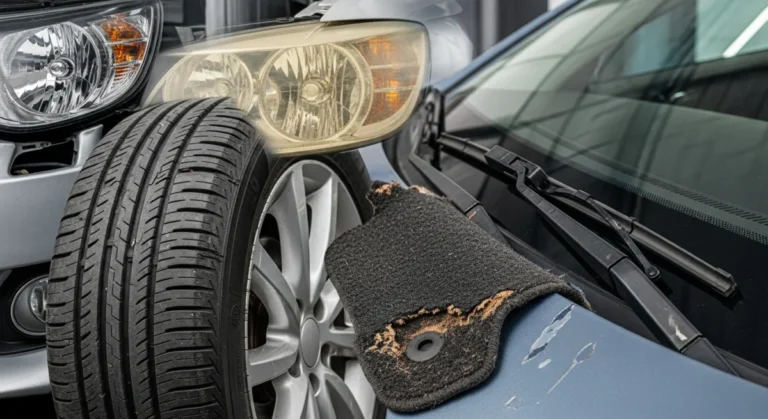
Weather can be your car’s worst enemy. The constant exposure to sun, rain, hail, snow, and even windborne debris takes a heavy toll. We’re not just talking about minor cosmetic blemishes; prolonged exposure can lead to serious issues like rust, paint fading, interior damage, and compromised structural integrity. Understanding the specific threats posed by different weather conditions is the first step in protecting your vehicle.
Sun Damage: UV Radiation’s Relentless Attack
What is it / How it works: Ultraviolet (UV) radiation from the sun is a powerful force that breaks down chemical bonds in your car’s paint, interior plastics, and rubber components. This leads to fading, cracking, and discoloration. Heat generated by sunlight also exacerbates these effects.
Benefits and Key Features
- Paint Protection: UV-resistant waxes and sealants create a barrier against harmful rays, preserving your car’s original color and shine.
- Interior Preservation: Dashboard covers, seat protectors, and window tinting can shield your interior from fading and cracking.
- Reduced Heat Buildup: Reflective windshield shades significantly reduce interior temperatures, preventing damage to sensitive electronics and materials.
Maintenance and Care
- Regular Washing and Waxing: Regularly washing your car removes dirt and pollutants that can accelerate sun damage. Applying wax or sealant creates a protective layer.
- Parking in Shade: Whenever possible, park your car in shaded areas or use a car cover.
- Interior Detailing: Clean and condition your interior surfaces regularly to prevent drying and cracking.
Top Buying Factors
- UV Protection Factor (UPF): Look for waxes, sealants, and window tints with a high UPF rating.
- Material Quality: Choose durable, heat-resistant materials for dashboard covers, seat protectors, and car covers.
- Ease of Application: Consider your skill level and choose products that are easy to apply and maintain.
Rain and Humidity: The Corrosion Conundrum
What is it / How it works: Water, especially when combined with pollutants and road salt, is a major catalyst for rust. Humidity accelerates the corrosion process, especially in areas with poor ventilation. Water can also seep into your car’s interior, leading to mold and mildew growth.
Benefits and Key Features
- Rust Inhibitors: Applying rust inhibitors to vulnerable areas like the undercarriage and wheel wells provides a protective barrier against corrosion.
- Water Repellent Coatings: Hydrophobic coatings on your car’s paint and windows repel water, preventing it from lingering and causing damage.
- Interior Moisture Absorption: Dehumidifiers and moisture-absorbing products can help prevent mold and mildew growth in your car’s interior.
Maintenance and Care
- Regular Washing: Wash your car frequently to remove dirt, salt, and other pollutants.
- Drying Thoroughly: Pay attention to drying your car thoroughly after washing, especially in hard-to-reach areas.
- Addressing Leaks: Repair any leaks in your car’s seals or windows promptly to prevent water from entering the interior.
Top Buying Factors
- Corrosion Resistance: Look for rust inhibitors and water repellent coatings that are specifically designed for automotive use and offer long-lasting protection.
- Application Method: Choose products that are easy to apply and maintain, such as spray-on coatings or brush-on rust inhibitors.
- Area of Coverage: Consider the size of the area you need to protect and choose products that provide adequate coverage.
Hail Damage: Nature’s Dents and Dings
What is it / How it works: Hailstones, even relatively small ones, can cause significant damage to your car’s exterior, including dents, dings, and chipped paint. Larger hailstones can even crack windshields and break windows.
Benefits and Key Features
- Hail-Resistant Car Covers: Heavy-duty car covers with padded layers offer a protective barrier against hail damage.
- Portable Carports: Temporary shelters provide protection from hail and other weather elements when a garage is not available.
- Paintless Dent Repair (PDR): A specialized technique that removes dents without damaging the paint.
Installation Tips (for hail-resistant car covers)
- Proper Fit: Choose a car cover that is specifically designed for your vehicle’s make and model.
- Secure Fastening: Ensure the cover is securely fastened to prevent it from being blown away by the wind.
- Clean Surface: Apply the cover to a clean vehicle.
Maintenance and Care
- Inspect Regularly: Check your car for hail damage after severe storms.
- Prompt Repairs: Repair any damage promptly to prevent further deterioration.
- Proper Storage: Store your car cover in a clean, dry place when not in use.
Top Buying Factors
- Thickness and Padding: Look for car covers with thick, padded layers that can absorb the impact of hailstones.
- Water Resistance: Choose a water-resistant cover to protect your car from rain and moisture.
- Wind Resistance: Ensure the cover has secure fastening mechanisms to prevent it from being blown away by the wind.
Wind and Debris: Scratches and Scrapes
What is it / How it works: High winds can carry debris such as dust, sand, branches, and other objects that can scratch or dent your car’s paint. Strong winds can also topple trees or power lines, causing serious damage.
Benefits and Key Features
- Car Covers: Protect your car from scratches and dents caused by windborne debris.
- Secure Parking: Park your car in a sheltered location away from trees and power lines.
- Regular Cleaning: Wash your car frequently to remove dust and sand that can scratch the paint.
Maintenance and Care
- Inspect Regularly: Check your car for scratches and dents after windy conditions.
- Touch-Up Paint: Repair minor scratches promptly with touch-up paint.
- Tree Trimming: Trim any branches that are hanging over your parking area.
Top Buying Factors
- Durability: Choose a car cover made from durable, scratch-resistant materials.
- Secure Fastening: Ensure the cover has secure fastening mechanisms to prevent it from being blown away by the wind.
- Breathability: Opt for a breathable cover to prevent moisture buildup.
Essential FAQs about Weather Damage to Parked Cars
1. Will my car insurance cover weather damage? Typically, comprehensive car insurance covers damage from weather events like hail, flooding, and wind. Review your policy for specifics.
2. How can I protect my car’s interior from sun fading? Use windshield shades, dashboard covers, and seat protectors. Consider window tinting with UV protection.
3. What’s the best way to remove tree sap from my car’s paint? Specialized tree sap removers are available at auto parts stores. Avoid using harsh chemicals that could damage the paint.
4. Should I use a car cover even in mild weather? Yes, car covers provide protection from dust, dirt, and minor scratches, even in mild weather. Just ensure it’s breathable to prevent moisture buildup.
5. How often should I wash and wax my car to protect it from the elements? Ideally, wash your car every 2-3 weeks and wax it every 3-6 months, depending on your climate and driving conditions.
Conclusion
Protecting your parked car from weather damage requires a proactive approach. By understanding the specific threats posed by sun, rain, hail, and wind, and by taking appropriate preventative measures, you can significantly extend the life and beauty of your vehicle. Invest in quality protective products, practice regular maintenance, and always be mindful of the weather conditions in your area. A little effort goes a long way in safeguarding your valuable investment.