In an era where automotive perfection is meticulously pursued, the silent enemy of a flawless finish is often overlooked: dust. A fine layer of airborne particles can dull your car’s sheen, scratch its surface during cleaning, and accelerate wear and tear. According to recent market research, over 60% of car owners express frustration with dust accumulation on their vehicles, leading to frequent and often unnecessary washes. The solution? A high-quality, dust-proof car cover. This guide provides an in-depth look at dust-proof car covers, equipping you with the knowledge to choose the best protection for your prized possession.
What is a Dust-Proof Car Cover and How Does it Work?
A dust-proof car cover is a protective barrier designed to shield your vehicle from airborne particles, pollen, dirt, and other environmental contaminants. Unlike standard car covers that may offer some level of protection, true dust-proof covers utilize specialized fabrics and construction techniques to create a nearly impenetrable shield.
Understanding the Layers and Technology
The effectiveness of a dust-proof car cover lies in its composition. Typically, these covers are multi-layered, each serving a specific purpose:
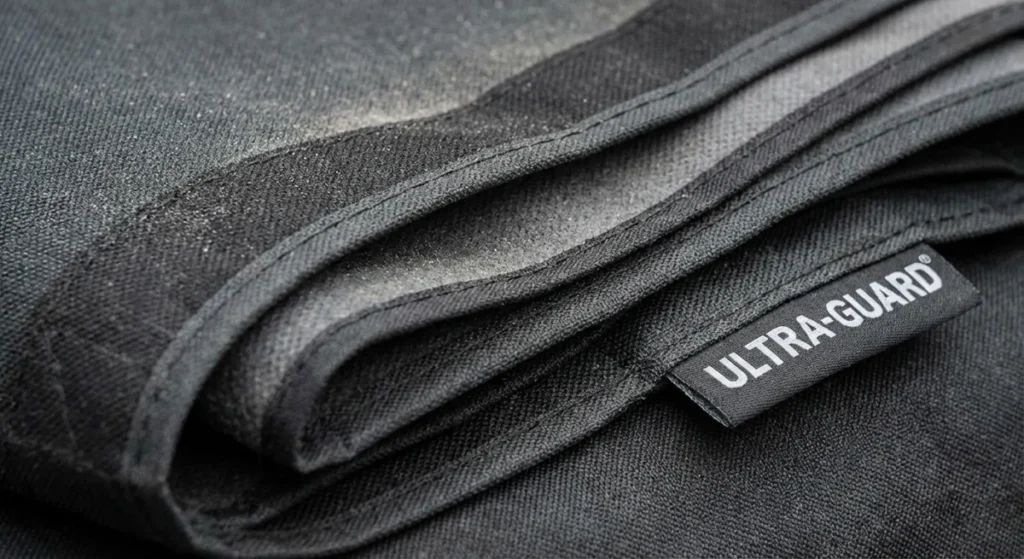
- Outer Layer: Often made from a tightly woven synthetic material like polypropylene or polyester, this layer is designed to repel dust, dirt, and moisture. Many also incorporate UV inhibitors to protect your car’s paint from sun damage.
- Middle Layer(s): This layer provides the primary dust-proofing functionality. It often consists of a microporous film or a breathable membrane that allows moisture to escape while preventing dust particles from entering. This breathability is crucial to prevent condensation buildup under the cover, which can lead to rust and mildew.
- Inner Layer: A soft, non-abrasive material like fleece or cotton is used to protect your car’s finish from scratches and scuffs. This layer acts as a buffer, preventing the outer layers from directly contacting the paint.
The Science of Dust Protection
The key to dust-proofing is the size of the pores in the middle layer. A high-quality cover will have pores that are significantly smaller than the average dust particle, effectively blocking their passage. The breathable membrane technology ensures that while dust is kept out, moisture can still evaporate, maintaining a dry and protected environment for your car.
Benefits and Key Features of Dust-Proof Car Covers
Investing in a dust-proof car cover offers a range of benefits that extend beyond simply keeping your car clean.
Preserving Your Car’s Finish
- Scratch Prevention: A soft inner layer minimizes the risk of scratches caused by the cover rubbing against the paint.
- UV Protection: The outer layer shields your car from harmful UV rays, preventing fading and cracking of the paint, dashboard, and interior.
- Reduced Washing Frequency: By preventing dust accumulation, you can significantly reduce the need for frequent car washes, saving you time and money.
Protection from Environmental Hazards
- Pollen and Allergens: Blocks pollen and other allergens, which is especially beneficial for allergy sufferers.
- Bird Droppings and Tree Sap: Offers a barrier against corrosive bird droppings and sticky tree sap, protecting your paint from damage.
- Mild Weather Protection: Many dust-proof covers also offer some protection against light rain and snow.
Key Features to Look For
- Custom Fit: A custom-fit cover conforms to the contours of your car, providing maximum protection and preventing the cover from flapping in the wind.
- Breathability: Essential for preventing condensation and moisture buildup.
- Water Resistance: While not fully waterproof, a good dust-proof cover should offer some resistance to light rain.
- Reinforced Seams: Durable, reinforced seams prevent tearing and ensure the cover lasts longer.
- Grommets and Tie-Downs: Allows you to secure the cover in windy conditions, preventing it from blowing away.
- Storage Bag: Provides a convenient way to store the cover when not in use.
- Cable Lock System: Some covers include a cable lock system to deter theft.
- Antenna Patch: For vehicles with external antennas, a reinforced patch accommodates the antenna without damaging the cover.
Installation Tips for Dust-Proof Car Covers
Proper installation is crucial for maximizing the effectiveness of your dust-proof car cover.
- Clean Your Car: Before installing the cover, thoroughly clean your car to remove any existing dust or dirt. This prevents these particles from being trapped under the cover and scratching the paint.
- Check for Sharp Edges: Inspect your car for any sharp edges or protruding objects that could damage the cover. You may want to cover these areas with soft padding.
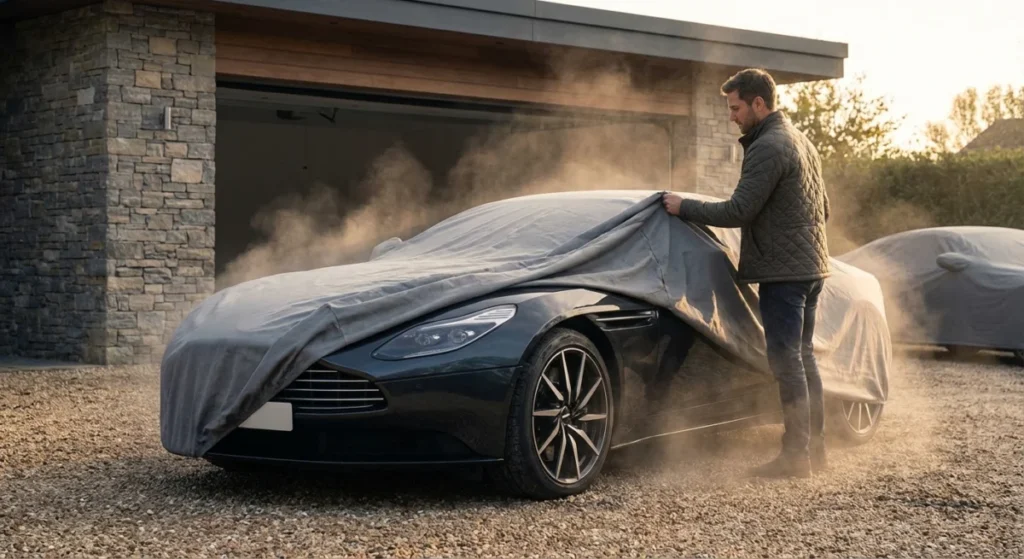
- Position the Cover: Unfold the cover and position it over your car, ensuring the front and rear are correctly aligned. Most covers have a label indicating the front.
- Secure the Cover: Gently pull the cover over the car, working from the front to the back. Ensure the elasticized hem fits snugly around the bumpers.
- Use Tie-Downs (if applicable): If your cover has grommets and tie-downs, secure them to prevent the cover from blowing away in windy conditions.
- Cable Lock (if applicable): If your cover has a cable lock system, thread the cable through the grommets and secure it to the car.
Maintenance and Care of Your Dust-Proof Car Cover
Proper maintenance will extend the life of your dust-proof car cover and ensure it continues to provide optimal protection.
Cleaning Your Car Cover
- Regular Cleaning: Periodically clean your car cover to remove accumulated dust and dirt.
- Hand Washing: The best way to clean a car cover is by hand washing it with a mild detergent and water. Use a soft brush or sponge to gently scrub the surface.
- Machine Washing (if applicable): Some covers can be machine washed on a gentle cycle. Check the manufacturer’s instructions before machine washing.
- Rinsing: Thoroughly rinse the cover with clean water to remove all traces of detergent.
- Drying: Allow the cover to air dry completely before storing it. Avoid using a dryer, as the heat can damage the fabric.
Storage Tips
- Clean and Dry: Ensure the cover is clean and dry before storing it.
- Fold Neatly: Fold the cover neatly and store it in the provided storage bag.
- Cool, Dry Place: Store the cover in a cool, dry place to prevent mildew and damage.
- Avoid Sharp Objects: Avoid storing the cover near sharp objects that could puncture or tear the fabric.
Top Buying Factors for Dust-Proof Car Covers
Choosing the right dust-proof car cover requires careful consideration of several factors.
- Material Quality: Prioritize covers made from high-quality, multi-layered fabrics with a breathable membrane. Look for materials that are both dust-proof and water-resistant. Polypropylene and polyester are common choices.
- Fit: A custom-fit cover provides the best protection and prevents the cover from flapping in the wind. Ensure the cover is specifically designed for your car’s make and model.
- Breathability: Breathability is crucial to prevent condensation and moisture buildup under the cover.
- Durability: Look for covers with reinforced seams and durable construction that can withstand the elements.
- UV Protection: Choose a cover with UV inhibitors to protect your car’s paint from sun damage.
- Ease of Use: Consider the ease of installation and removal. Look for features like elasticized hems and tie-downs that make the cover easy to use.
- Warranty: A warranty provides peace of mind and protects you against defects in materials or workmanship.
- Customer Reviews: Read customer reviews to get an idea of the cover’s performance and durability.
- Price: While price is a factor, don’t sacrifice quality for a lower price. A well-made dust-proof car cover is an investment that will protect your car for years to come.
- Brand Reputation: Opt for reputable brands known for producing high-quality car covers.
Essential FAQs About Dust-Proof Car Covers
Here are some frequently asked questions about dust-proof car covers:
1. Are all car covers dust-proof? No, not all car covers are dust-proof. True dust-proof covers utilize specialized fabrics and construction techniques to create a nearly impenetrable barrier against dust particles. Standard car covers may offer some protection but are not as effective at preventing dust accumulation. 2. Will a car cover scratch my car’s paint? A high-quality dust-proof car cover with a soft inner layer should not scratch your car’s paint. However, it’s essential to ensure that the cover is clean and free of dirt before installing it. Also, make sure the cover fits properly to prevent it from rubbing against the paint. 3. Can I use a car cover in the rain or snow? Many dust-proof car covers offer some resistance to light rain and snow. However, they are not typically fully waterproof. For heavy rain or snow, consider using a waterproof car cover in addition to the dust-proof cover. 4. How often should I clean my car cover? The frequency of cleaning depends on the environment in which you live. In dusty or polluted areas, you may need to clean the cover more frequently. A good rule of thumb is to clean the cover every few months or as needed. 5. How do I choose the right size car cover for my vehicle? The best way to choose the right size car cover is to consult the manufacturer’s size chart. These charts typically list the appropriate cover size for various makes and models. You can also measure your car’s length, width, and height to ensure a proper fit.
Conclusion
Investing in a dust-proof car cover is a smart decision for any car owner who wants to protect their vehicle’s finish and maintain its pristine appearance. By understanding the features, benefits, and maintenance requirements of these covers, you can choose the right one for your needs and enjoy years of reliable protection. A small investment in a quality cover will save you time, money, and the frustration of dealing with dust and environmental contaminants. So, protect your investment and enjoy the peace of mind that comes with knowing your car is shielded from the elements.