Vehicle Exterior Upgrades: Transform Your Ride
Thinking about leveling up your vehicle’s appearance and performance? You’re not alone. The automotive aftermarket is booming, with a significant portion dedicated to exterior upgrades. In fact, the global automotive aftermarket size was valued at USD 400.0 billion in 2022 and is projected to grow to USD 527.9 billion by 2029. This shows the popularity of customizing your ride. Whether you’re aiming for a sleek, modern look, enhanced off-road capability, or simply a personal touch, the right exterior upgrades can dramatically transform your vehicle. But with so many options available, knowing where to start can be overwhelming. This comprehensive guide breaks down the most popular vehicle exterior upgrades, providing you with the knowledge to make informed decisions and elevate your vehicle’s style and performance.
Wheels and Tires: The Foundation of Style
Wheels and tires are arguably the most impactful exterior upgrades you can make. They drastically affect the stance, handling, and overall aesthetic of your vehicle.
What are Wheels and How Do They Work?
Wheels are the circular components that connect to your vehicle’s axle and provide a mounting point for tires. They transmit power from the drivetrain to the road, allowing the vehicle to move. Different wheel designs, materials, and sizes affect weight, strength, and appearance.
What are Tires and How Do They Work?
Tires are the rubber coverings that fit onto the wheels. They provide traction, cushioning, and load-bearing capabilities. Tire composition, tread pattern, and size are crucial for handling, braking, and ride comfort.
Benefits and Key Features
- Improved Aesthetics: A new set of wheels and tires can dramatically change the look of your vehicle, from sporty and aggressive to elegant and refined.
- Enhanced Performance: Performance tires offer superior grip for improved acceleration, braking, and cornering. Lighter wheels can reduce unsprung weight, improving handling and responsiveness.
- Increased Ride Comfort: Choosing the right tire size and type can improve ride comfort by absorbing bumps and vibrations.
- Improved Safety: Selecting tires suited for your driving conditions, like winter tires for snow and ice, enhances safety.
Installation Tips
- Bolt Pattern: Ensure the new wheels have the correct bolt pattern (the number and spacing of the lug nuts) for your vehicle.
- Offset: Wheel offset affects how the wheel sits within the wheel well. Incorrect offset can cause rubbing or handling issues.
- Tire Size: Choose a tire size that is compatible with your vehicle and wheel size. Using an online tire size calculator is recommended.
- Professional Installation: While some enthusiasts install wheels and tires themselves, professional installation ensures proper balancing and torqueing of lug nuts.
Maintenance and Care
- Regular Cleaning: Clean wheels and tires regularly with appropriate cleaning products to prevent damage from brake dust and road grime.
- Tire Pressure Monitoring: Maintain proper tire pressure for optimal performance, fuel efficiency, and safety.
- Wheel Alignment: Get regular wheel alignments to prevent uneven tire wear and ensure proper handling.
- Rotation: Rotate tires regularly to promote even wear and extend their lifespan.
Top Buying Factors
- Budget: Wheels and tires range in price from affordable to very expensive. Set a budget before you start shopping.
- Vehicle Type: Consider the type of vehicle you have and its intended use (e.g., daily driver, off-road vehicle, sports car).
- Driving Conditions: Choose tires that are appropriate for your local climate and driving conditions (e.g., all-season, winter, performance).
- Style: Select wheels and tires that complement your vehicle’s style and your personal preferences.
- Reputation: Choose reputable brands known for quality and performance.
Body Kits: A Complete Transformation
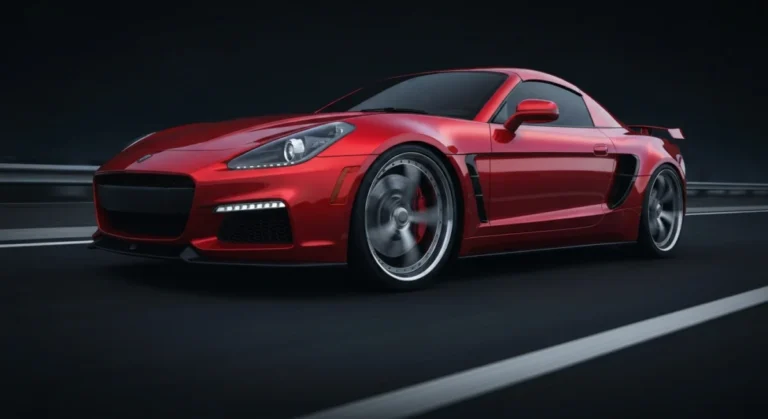
Body kits are a collection of exterior components designed to dramatically alter the appearance of your vehicle.
What is a Body Kit and How Does it Work?
A body kit typically includes front and rear bumpers, side skirts, and sometimes a rear spoiler or wing. These components replace or augment the factory body panels, creating a more aggressive, aerodynamic, or customized look.
Benefits and Key Features
- Aggressive Styling: Body kits can transform a bland vehicle into a head-turning machine.
- Improved Aerodynamics: Some body kits are designed to improve aerodynamic performance, reducing drag and increasing downforce.
- Personalization: Body kits allow you to create a unique and personalized look for your vehicle.
- Increased Resale Value (Potentially): A tastefully installed, high-quality body kit can sometimes increase resale value, but excessive or poorly executed kits can have the opposite effect.
Installation Tips
- Professional Installation: Body kit installation is best left to professionals, as it often requires cutting, drilling, and precise fitting.
- Proper Fitment: Ensure the body kit is specifically designed for your vehicle’s make and model to guarantee proper fitment.
- Paint Matching: Have the body kit professionally painted to match your vehicle’s existing color.
- Test Fit: Always test fit the body kit components before painting to identify any potential issues.
Maintenance and Care
- Regular Cleaning: Clean the body kit regularly with appropriate cleaning products to prevent damage from road debris.
- Waxing: Wax the body kit to protect the paint and maintain its shine.
- Damage Repair: Repair any damage to the body kit promptly to prevent further deterioration.
Top Buying Factors
- Quality of Materials: Choose a body kit made from high-quality materials, such as fiberglass, polyurethane, or carbon fiber.
- Fitment: Ensure the body kit is specifically designed for your vehicle’s make and model for proper fitment.
- Style: Select a body kit that complements your vehicle’s existing style and your personal preferences.
- Reputation: Choose reputable brands known for quality and craftsmanship.
- Cost of Installation: Factor in the cost of professional installation when budgeting for a body kit.
Window Tint: Style and Functionality
Window tinting is the process of applying a film to your vehicle’s windows to reduce sunlight, heat, and glare.
What is Window Tint and How Does it Work?
Window tint film is a thin, adhesive material that is applied to the inside of your vehicle’s windows. It contains materials that block ultraviolet (UV) rays, visible light, and infrared radiation.
Benefits and Key Features
- Reduced Heat and Glare: Window tint can significantly reduce heat buildup inside your vehicle and minimize glare from the sun.
- UV Protection: Window tint blocks harmful UV rays, protecting your skin and the interior of your vehicle from fading.
- Increased Privacy: Window tint provides increased privacy for you and your passengers.
- Enhanced Aesthetics: Window tint can give your vehicle a sleek and stylish look.
- Improved Security: Darker window tint can deter theft by making it more difficult to see inside your vehicle.
Installation Tips
- Professional Installation: Window tint installation is best left to professionals, as it requires specialized tools and techniques.
- Cleanliness: Ensure the windows are thoroughly cleaned before applying the tint film.
- Smooth Application: Avoid bubbles and wrinkles during installation for a smooth, professional finish.
Maintenance and Care
- Avoid Harsh Cleaners: Use mild soap and water to clean tinted windows. Avoid harsh cleaners or abrasive materials.
- Avoid Abrasive Materials: Do not use abrasive materials, such as steel wool or scouring pads, to clean tinted windows.
- Allow to Cure: Allow the tint film to fully cure before cleaning the windows.
Top Buying Factors
- Tint Darkness: Choose a tint darkness that is legal in your state or region.
- Film Quality: Choose a high-quality tint film from a reputable brand.
- UV Protection: Ensure the tint film offers adequate UV protection.
- Heat Rejection: Consider the film’s heat rejection capabilities if you live in a hot climate.
- Warranty: Choose a tint film with a good warranty.
Lighting Upgrades: Illuminate the Road Ahead
Upgrading your vehicle’s lighting can improve visibility, safety, and aesthetics.
What are Lighting Upgrades and How Do They Work?
Lighting upgrades involve replacing your vehicle’s factory headlights, taillights, and other lights with aftermarket options that offer improved brightness, color, and style. These can range from LED headlights that are brighter and more efficient to custom taillight housings that enhance your vehicle’s style.
Benefits and Key Features
- Improved Visibility: Brighter headlights and taillights improve visibility in low-light conditions.
- Enhanced Safety: Improved visibility enhances safety for you and other drivers on the road.
- Modern Look: LED headlights and taillights can give your vehicle a modern and stylish look.
- Increased Longevity: LED lights typically last longer than traditional halogen bulbs.
- Customization: A wide variety of aftermarket lighting options allows you to customize your vehicle’s appearance.
Installation Tips
- Direct Replacement: Some lighting upgrades are designed as direct replacements for factory lights, making installation relatively simple.
- Wiring: Some lighting upgrades may require additional wiring or modification.
- Professional Installation: If you are not comfortable with electrical work, consider professional installation.
Maintenance and Care
- Regular Inspection: Inspect your lights regularly to ensure they are functioning properly.
- Cleaning: Clean your lights regularly to remove dirt and debris.
- Bulb Replacement: Replace bulbs as needed.
Top Buying Factors
- Brightness: Choose lights that offer improved brightness compared to your factory lights.
- Beam Pattern: Consider the beam pattern of the lights to ensure proper visibility.
- Durability: Choose lights that are durable and resistant to damage from the elements.
- Style: Select lights that complement your vehicle’s style.
- Legality: Ensure the lights are legal in your state or region.
Essential FAQ Section
- Q: How much do exterior upgrades typically cost?
- A: The cost varies widely depending on the type of upgrade, the quality of the parts, and the cost of installation. Simple upgrades like window tint or LED bulbs can cost a few hundred dollars, while more extensive upgrades like body kits or custom wheels can cost several thousand.
- Q: Are all exterior upgrades legal?
- A: No. Laws regarding window tint, lighting, and other exterior modifications vary by state or region. It’s important to research local regulations before making any modifications.
- Q: Will exterior upgrades void my vehicle’s warranty?
- A: Certain exterior upgrades can potentially void your vehicle’s warranty if they directly cause damage to a covered component. However, the dealer must prove that the upgrade caused the damage.
- Q: Can I install exterior upgrades myself?
- A: Some exterior upgrades, such as replacing headlights or taillights, can be installed by experienced DIYers. However, more complex upgrades like body kits or suspension modifications are best left to professionals.
- Q: How do I choose the right exterior upgrades for my vehicle?
- A: Consider your budget, vehicle type, driving style, and personal preferences. Research different options, read reviews, and consult with automotive professionals to make informed decisions.
Conclusion
Vehicle exterior upgrades offer a fantastic way to personalize your ride, enhance its performance, and improve its overall appearance. By understanding the various options available and carefully considering your needs and preferences, you can transform your vehicle into a true reflection of your style. Remember to prioritize quality, legality, and professional installation when necessary, and enjoy the process of creating a vehicle that you’re truly proud of.