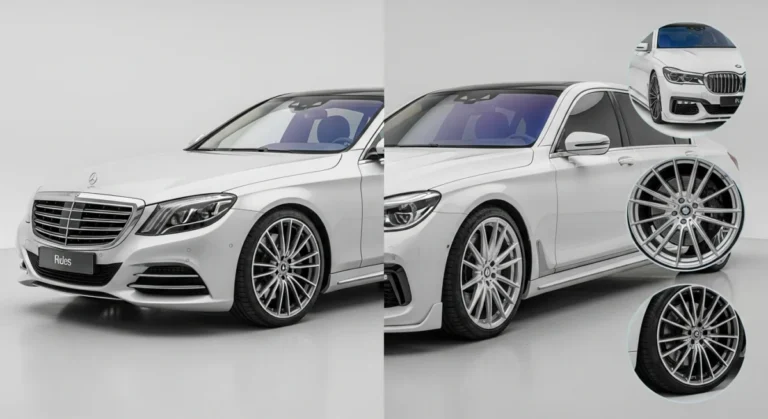
Revitalize your ride! Did you know a customized auto exterior can increase your vehicle’s resale value by up to 15%? Tired of blending in? This comprehensive guide will transform your car from ordinary to extraordinary, covering everything you need to know about auto exterior styling. We’ll delve into understanding the process, its benefits, installation nuances, and how to choose the right components for your vision. Let’s get started!
What is Auto Exterior Styling?
Auto exterior styling is the art and science of modifying a vehicle’s external appearance to enhance its aesthetics, performance, or both. It encompasses a wide range of modifications, from subtle cosmetic changes to dramatic overhauls. The goal is to personalize the vehicle, reflecting the owner’s individual style and preferences while potentially improving aerodynamics and overall performance.
How Auto Exterior Styling Works
The process involves selecting and installing various aftermarket parts and accessories. These can include body kits, spoilers, custom wheels, upgraded lighting, wraps, paint jobs, and window tints. The selection process should consider compatibility, aesthetics, and functionality. For example, a spoiler isn’t just for looks; it can actually improve downforce at higher speeds. Skilled professionals often combine these elements to create a cohesive and visually appealing design. Some modifications are straightforward DIY projects, while others require specialized tools and expertise, often necessitating professional installation.
Benefits and Key Features of Auto Exterior Styling
Enhanced Aesthetics: This is the most obvious benefit. Styling upgrades allow you to express your personality and make your car stand out. Improved Performance: Aerodynamic enhancements like spoilers, diffusers, and splitters can reduce drag and increase downforce, leading to better handling and stability, especially at higher speeds. Increased Resale Value: While some modifications can decrease resale value, well-executed and tasteful styling upgrades using quality parts can potentially increase the value, particularly if they enhance the vehicle’s appeal. Personalization: This allows you to customize your vehicle to match your unique style and preferences, making it truly one-of-a-kind. Protection: Some exterior modifications, like paint protection film (PPF), can shield your vehicle’s paint from scratches, chips, and UV damage. Safety: Upgraded lighting, such as brighter headlights or fog lights, can improve visibility, enhancing safety, especially in adverse weather conditions.
Key Features to Look For
- Quality of Materials: Opt for parts made from durable and weather-resistant materials like high-grade ABS plastic, carbon fiber, or fiberglass.
- Fit and Finish: Ensure the parts are designed to fit your specific vehicle model perfectly for a seamless and professional look. Poor fitment can lead to gaps, uneven surfaces, and potential damage.
- Aerodynamic Properties: If performance is a priority, research the aerodynamic effects of the parts you’re considering. Look for designs that have been wind tunnel tested.
- Style and Design: Choose parts that complement your vehicle’s original design and reflect your personal taste. Consider the overall aesthetic you’re trying to achieve.
- Compliance with Regulations: Be aware of local laws and regulations regarding vehicle modifications. Some modifications, such as excessively dark window tints or altered lighting, may be illegal.
Installation Tips for Auto Exterior Styling
Preparation is Key: Before starting any installation, thoroughly clean and degrease the surfaces where parts will be attached. Read the Instructions: Always read and understand the manufacturer’s instructions before beginning the installation process. Use the Right Tools: Invest in the proper tools for the job to avoid damaging your vehicle or the parts you’re installing. This may include socket sets, wrenches, screwdrivers, adhesive applicators, and measuring tools. Test Fit: Before permanently attaching any part, test fit it to ensure proper alignment and fitment. Adhesive Application: When using adhesives, apply them evenly and according to the manufacturer’s instructions. Ensure proper curing time before exposing the vehicle to the elements. Safety First: Wear appropriate safety gear, such as gloves and eye protection, when working on your vehicle. Electrical Modifications: If the installation involves electrical modifications, such as adding lights, disconnect the battery to prevent electrical shock. Seek Professional Help: If you’re not comfortable performing the installation yourself, seek professional help from a qualified auto body shop or installer.
Maintenance and Care of Styled Exteriors
- Regular Washing: Wash your vehicle regularly to remove dirt, grime, and road salt, which can damage the paint and other exterior components.
- Waxing and Polishing: Apply wax or polish to protect the paint from UV damage and maintain its shine.
- Paint Protection Film (PPF): Consider applying PPF to high-impact areas, such as the hood, fenders, and bumpers, to protect the paint from scratches and chips.
- Detailing: Regularly detail your vehicle’s exterior to remove stubborn stains and contaminants and keep it looking its best.
- Inspection: Periodically inspect your vehicle’s exterior for any signs of damage, such as cracks, chips, or peeling paint, and address them promptly to prevent further deterioration.
- Specific Product Cleaning: Use cleaning products designed for specific materials. For example, use a carbon fiber specific cleaner on carbon fiber parts.
- Avoid Abrasive Cleaners: Do not use abrasive cleaners or harsh chemicals, as they can damage the paint and other exterior surfaces.
Top Buying Factors for Auto Exterior Styling
- Budget: Determine your budget before you start shopping. Exterior styling modifications can range from a few dollars to several thousand, so it’s important to have a clear idea of how much you’re willing to spend.
- Vehicle Compatibility: Ensure that the parts you’re considering are compatible with your specific vehicle model and year.
- Quality and Durability: Choose parts made from high-quality materials that are designed to withstand the elements.
- Aesthetics: Select parts that complement your vehicle’s existing design and reflect your personal style.
- Functionality: Consider the functional benefits of the modifications you’re making. Do you want to improve aerodynamics, increase downforce, or enhance visibility?
- Brand Reputation: Research the brands you’re considering and choose reputable manufacturers with a proven track record of quality and customer service.
- Warranty: Look for parts that come with a warranty to protect against defects in materials and workmanship.
- Reviews: Read online reviews from other customers to get an idea of the quality and performance of the parts you’re considering.
- Professional Installation: Factor in the cost of professional installation if you’re not comfortable performing the work yourself.
- Legality: Ensure all modifications are legal in your area. Check local laws regarding window tint, lighting, and exhaust modifications.
Essential FAQ on Auto Exterior Styling
Q1: Will modifying my car’s exterior void my warranty?
Answer: It depends. Aftermarket parts themselves are generally not covered by the manufacturer’s warranty. However, if a modification directly causes damage to a covered component, the manufacturer may deny warranty coverage for that specific component. Always check with your dealership or warranty provider.
Q2: How can I ensure the body kit I purchase fits correctly?
Answer: Always buy body kits specifically designed for your vehicle’s make, model, and year. Look for reputable brands and read customer reviews regarding fitment. A professional installation can help ensure a proper fit.
Q3: What’s the best way to protect my car’s new paint job?
Answer: Apply a high-quality paint sealant or wax regularly. Consider investing in paint protection film (PPF), especially for high-impact areas. Regular washing and detailing are also essential.
Q4: Can exterior styling upgrades improve my car’s fuel efficiency?
Answer: It’s possible, but not guaranteed. Aerodynamic enhancements like spoilers and diffusers can reduce drag, potentially improving fuel efficiency slightly at higher speeds. However, the impact is usually minimal.
Q5: Are there any legal restrictions I should be aware of when modifying my car’s exterior?
Answer: Yes. Laws vary by location regarding window tint darkness, lighting modifications (e.g., headlight colors), and exhaust system modifications. Check your local regulations before making any changes. Some modifications, like excessively loud exhausts, can lead to fines.
Conclusion
Auto exterior styling is a fantastic way to personalize your vehicle and express your unique style. By understanding the process, its benefits, and potential pitfalls, you can make informed decisions and achieve the look you’ve always dreamed of. Remember to prioritize quality, fitment, and safety throughout the process. Happy styling!