Sun Shades and Privacy: Your Ultimate Guide to Automotive Comfort and Seclusion
Imagine this: you’re parked in a scorching parking lot, the sun beating down mercilessly on your car’s interior. Or perhaps you’re trying to catch a quick nap during your lunch break, but the prying eyes of passersby are making it impossible. Sound familiar? Millions of drivers face these challenges daily. The solution? Well-chosen sun shades and privacy screens are the unsung heroes of automotive comfort and security. They’re far more than just accessories; they’re investments in your vehicle’s longevity, your personal comfort, and your peace of mind. Let’s dive deep into the world of automotive sun shades and privacy solutions.
Understanding Sun Shades and Privacy Solutions
What are Sun Shades and How Do They Work?
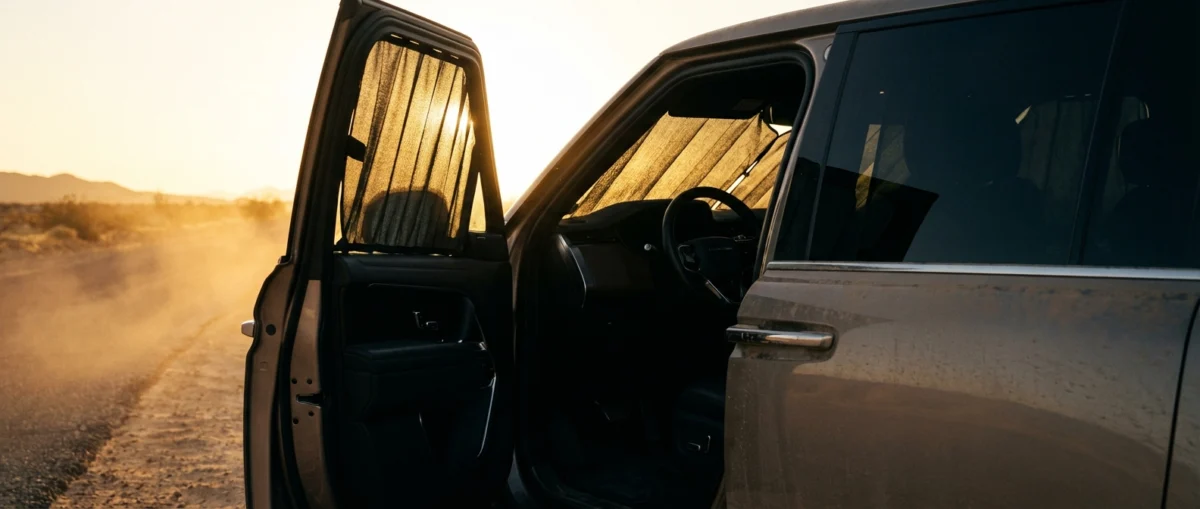
Sun shades are devices designed to block sunlight from entering a vehicle’s interior. Their primary function is to reduce the amount of solar heat gain, keeping the cabin cooler and protecting the dashboard and upholstery from harmful UV rays. They come in various forms, from simple reflective screens to more elaborate retractable models.
The science behind sun shades is straightforward. They reflect or absorb incoming solar radiation. Reflective sun shades, typically made of metallic or reflective materials, bounce sunlight away from the vehicle. Absorbent sun shades, often constructed from fabric or mesh, absorb some of the sunlight, converting it into heat that dissipates more slowly.
Privacy screens, on the other hand, focus primarily on obscuring the view into your vehicle. They can be films applied to the windows, or physical barriers like curtains or screens. Often, these solutions serve a dual purpose, providing both privacy and sun protection.
Types of Sun Shades
- Folding/Reflective Sun Shades: These are the most common type, often made of a cardboard-like material with a reflective surface. They fold up for easy storage.
- Retractable Sun Shades: These shades roll up into a spring-loaded housing when not in use, offering a cleaner and more integrated look.
- Custom-Fit Sun Shades: Designed specifically for your vehicle’s make and model, these offer the best coverage and fit.
- Mesh Sun Shades: These shades attach to the window using suction cups or clips and allow some visibility while still blocking a significant amount of sunlight.
- Window Tint: While not strictly a “shade,” window tint films provide UV protection and reduce glare, improving privacy at the same time. Be sure to check your local laws regarding window tint darkness.
How Privacy Screens Work
Privacy screens prevent people from seeing into your car while still allowing you to see out (in some cases). They work by employing various principles of light manipulation:
- Tinting: Reduces the amount of light passing through the glass, making it harder to see inside.
- Perforated Materials: Allow light to pass through from one direction while blocking it from the other. Imagine a one-way mirror effect.
- Opaque Barriers: Solid materials block light and visibility completely. These are often temporary and used for specific situations like camping.
Benefits and Key Features of Sun Shades and Privacy Screens
Protecting Your Car’s Interior
Sun shades are crucial for protecting your vehicle’s interior from the damaging effects of the sun.
- Prevent Fading and Cracking: UV rays can cause dashboards, seats, and other interior components to fade, crack, and deteriorate over time.
- Reduce Heat Buildup: By blocking sunlight, sun shades can significantly reduce the temperature inside your car, preventing heat damage to electronics and making the cabin more comfortable.
Enhancing Comfort and Privacy
Sun shades and privacy screens contribute significantly to your comfort and privacy while driving or parked.
- Reduce Glare: Sun shades minimize glare, making driving safer and more comfortable, especially during sunrise and sunset.
- Maintain Privacy: Privacy screens prevent prying eyes from seeing into your car, protecting your belongings and providing a sense of security.
- Child Comfort: Keeping the sun out of the eyes of children in the back seat can be a game-changer on long trips.
Key Features to Look For
- Material: Opt for durable, heat-resistant materials like reflective fabrics, insulated foam, or high-quality mesh.
- Fit: A snug fit is crucial for maximum coverage and effectiveness. Custom-fit shades are generally the best option.
- Ease of Use: Consider how easy the shade is to install, remove, and store.
- Durability: Choose a shade that can withstand regular use and exposure to the elements.
- UV Protection: Look for sun shades with a high UV protection rating to ensure maximum protection against harmful rays.
- Storage: Does the sunshade fold easily? Does it come with a carrying case? Consider these factors based on how often you’ll use it.
Installation Tips for Sun Shades and Privacy Screens
Front Windshield Sun Shade
- Unfold the Shade: Most folding sun shades are pre-folded.
- Position and Secure: Place the shade against the windshield, ensuring it covers as much area as possible. Use the sun visors to hold it in place.
- Adjust as Needed: Make any necessary adjustments to ensure a snug fit.
Side Window Sun Shades
- Suction Cup Attachment: Clean the window surface before attaching suction cups. Moisten the suction cups slightly for better adhesion.
- Clip-On Shades: Position the shade and clip it onto the window frame.
- Static Cling Shades: Clean the window and apply the shade, smoothing out any air bubbles.
Privacy Screen Film Application
- Clean the Window: Thoroughly clean the window with a glass cleaner and a lint-free cloth.
- Measure and Cut: Measure the window and cut the film slightly larger than the dimensions.
- Apply the Film: Peel off the backing and apply the film to the window, using a squeegee to remove air bubbles and excess water.
- Trim the Edges: Trim the edges of the film with a sharp knife for a clean finish.
Always consult the product instructions for specific installation guidelines.
Maintenance and Care
Cleaning Sun Shades
- Wipe Down: Regularly wipe down your sun shades with a damp cloth to remove dust and dirt.
- Mild Soap: For stubborn stains, use a mild soap solution and a soft cloth.
- Avoid Abrasives: Avoid using abrasive cleaners or scrub brushes, as they can damage the shade’s surface.
Storing Sun Shades
- Folding Shades: Fold and store in a cool, dry place when not in use.
- Retractable Shades: Ensure the shade is fully retracted into its housing when not in use.
- Avoid Creasing: Store folding shades flat or loosely rolled to prevent creases.
Maintaining Privacy Films
- Gentle Cleaning: Clean window film with a soft cloth and a mild, ammonia-free cleaner.
- Avoid Abrasives: Never use abrasive cleaners, scouring pads, or harsh chemicals on window film.
- Inspect Regularly: Check for any signs of peeling or damage and address them promptly.
Top Buying Factors
Vehicle Compatibility
- Make and Model: Ensure the sun shade or privacy screen is compatible with your vehicle’s make and model. Custom-fit options are often the best choice.
- Window Size and Shape: Consider the size and shape of your windows when selecting a sun shade.
Material Quality
- Heat Resistance: Choose materials that can withstand high temperatures without warping or deteriorating.
- UV Protection: Look for shades with a high UV protection rating to protect your car’s interior.
- Durability: Opt for durable materials that can withstand regular use and exposure to the elements.
Ease of Use
- Installation and Removal: Consider how easy the shade is to install, remove, and store.
- Storage: Choose a shade that is easy to fold and store when not in use.
- Adjustability: Look for shades that can be easily adjusted to fit your windows.
Budget
- Price Range: Sun shades and privacy screens range in price from inexpensive to premium. Set a budget and look for options that meet your needs within that range.
- Value for Money: Consider the quality, durability, and features of the shade when evaluating its value for money.
Brand Reputation
- Established Brands: Consider purchasing from reputable brands known for producing high-quality automotive accessories.
- Customer Reviews: Read customer reviews to get an idea of the product’s performance and durability.
Essential FAQs
1. Are sun shades worth it? Absolutely! They protect your car’s interior, keep it cooler, and enhance privacy. The benefits outweigh the cost. 2. How do I choose the right size sun shade? Check your vehicle’s owner’s manual or measure your windshield. Custom-fit shades offer the best coverage. 3. Can window tint replace a sun shade? Window tint provides some sun protection and privacy, but a sun shade offers more comprehensive heat reduction when parked. 4. Are there any legal restrictions on window tint? Yes, most states have regulations regarding the darkness of window tint. Check your local laws before applying tint. 5. How do I clean a reflective sun shade without damaging it? Use a soft, damp cloth and a mild soap solution. Avoid abrasive cleaners.
Conclusion
Investing in high-quality sun shades and privacy screens is a smart decision for any car owner. They offer a wide range of benefits, from protecting your car’s interior and reducing heat buildup to enhancing your comfort and privacy. By considering the factors discussed in this guide, you can choose the perfect sun shades and privacy solutions to meet your specific needs and enjoy a more comfortable and secure driving experience. So, go ahead, shield yourself from the sun and protect your privacy – your car (and your comfort levels) will thank you for it.