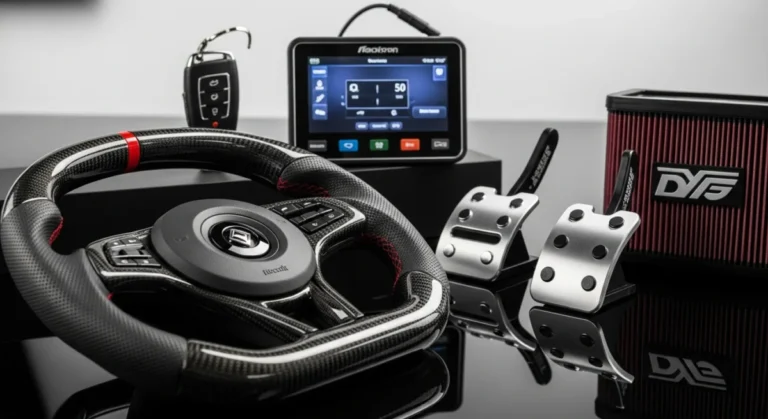
Here’s your guide to conquering the curves with the perfect racing steering wheel cover:
Racing enthusiasts understand the crucial role a steering wheel plays in achieving optimal performance and control. But have you considered the impact of a steering wheel cover? While often overlooked, a quality racing steering wheel cover can significantly enhance your driving experience. In fact, the global automotive steering wheel market is projected to reach over $18 billion by 2027, indicating a growing awareness and investment in cockpit upgrades. Many drivers struggle with grip, comfort, and even the aesthetics of their steering wheels. The solution? A well-chosen racing steering wheel cover. This guide delves into everything you need to know about selecting, installing, and maintaining the perfect cover for your needs.
What is a Racing Steering Wheel Cover?
A racing steering wheel cover is a protective and performance-enhancing accessory designed to fit over the existing steering wheel of a vehicle. Unlike standard covers, racing versions are specifically engineered for improved grip, comfort, and durability under the demanding conditions of racing or spirited driving. They are typically made from materials like suede, leather, Alcantara, or microfiber, chosen for their tactile qualities and ability to wick away moisture.
How it Works
The primary function of a racing steering wheel cover is to provide a superior gripping surface. This enhanced grip translates to more precise steering input, especially during high-speed maneuvers where even slight slippage can compromise control. The cover achieves this through a combination of factors:
- Material Properties: Materials like suede and Alcantara offer a naturally high coefficient of friction, even when slightly damp.
- Texture: Many covers feature textured surfaces or perforations to further enhance grip and promote airflow, reducing sweat buildup.
- Padding: Additional padding can improve comfort during extended driving sessions and reduce fatigue.
- Diameter Adjustment: Some covers can subtly increase the diameter of the steering wheel, providing a more substantial feel, particularly beneficial for drivers with larger hands.
Benefits and Key Features
Investing in a racing steering wheel cover offers a multitude of advantages beyond just aesthetics.
- Improved Grip & Control: The most significant benefit. Enhanced grip leads to more confident and precise steering.
- Enhanced Comfort: Padding and breathable materials reduce hand fatigue during long races or drives.
- Increased Durability: Protects the underlying steering wheel from wear and tear, extending its lifespan.
- Personalized Style: Available in a wide range of colors, materials, and designs to match your car’s interior and personal taste.
- Heat and Sweat Resistance: High-quality materials like Alcantara are more resistant to heat buildup and sweat, maintaining a comfortable grip.
- Vibration Dampening: Certain covers can help absorb vibrations, leading to a smoother and more comfortable driving experience.
- Better Aesthetics: A new cover can instantly revitalize the look of your car’s interior.
Installation Tips
Installing a racing steering wheel cover can be a straightforward process, but attention to detail is crucial for a secure and professional-looking fit.
1. Preparation: Clean the existing steering wheel thoroughly with a mild cleaner and a microfiber cloth. This removes dirt, grime, and oils that can interfere with adhesion. 2. Positioning: Start by aligning the cover with the top of the steering wheel, ensuring that any seams or logos are correctly positioned. 3. Stretching and Securing: Carefully stretch the cover over the steering wheel, working your way around the circumference. This may require some force, especially with tighter-fitting covers. 4. Tucking and Adjusting: Once the cover is fully in place, tuck any excess material behind the steering wheel spokes. Use a small, flat tool (like a plastic trim removal tool) to assist with this process. 5. Final Check: Double-check that the cover is securely fitted and that there are no wrinkles or loose areas. Rotate the steering wheel to ensure that the cover does not slip or impede its movement. 6. Sew-On Covers (Advanced): Some high-end covers require sewing. These offer the most custom and secure fit but demand patience and skill. Ensure you have the correct needle, thread, and sewing technique before beginning. Follow the included instructions carefully. 7. Heat Gun (Optional): In some cases, applying gentle heat with a heat gun (on low setting) can help the cover conform to the steering wheel’s shape. Be extremely cautious when using a heat gun to avoid damaging the cover or the steering wheel itself.
Maintenance and Care
Proper maintenance will significantly extend the life and performance of your racing steering wheel cover.
- Regular Cleaning: Clean the cover regularly with a specialized cleaner designed for the material. Avoid harsh chemicals or abrasive cleaners.
- Spot Cleaning: Address spills and stains immediately to prevent them from setting in. Use a damp cloth and a gentle cleaner.
- Leather Care: For leather covers, use a leather conditioner to keep the material supple and prevent cracking.
- Suede/Alcantara Care: Suede and Alcantara require specialized cleaners and brushes to maintain their texture and prevent matting.
- Avoid Direct Sunlight: Prolonged exposure to direct sunlight can cause fading and deterioration. Park in the shade or use a sunshade when possible.
- Avoid Excessive Moisture: While racing steering wheel covers are designed to wick away moisture, prolonged exposure to excessive moisture can lead to mold or mildew growth. Allow the cover to air dry thoroughly if it becomes wet.
- Check Stitching: Regularly inspect the stitching for any signs of wear or fraying. Repair any damage promptly to prevent further deterioration.
Top Buying Factors
Selecting the right racing steering wheel cover requires careful consideration of several factors.
- Material:
- Leather: Durable, classic look, good grip. Can get hot.
- Suede/Alcantara: Excellent grip, luxurious feel, good moisture-wicking. Requires more maintenance.
- Microfiber: Affordable, easy to clean, decent grip. Less durable than leather or suede.
- Rubber/Silicone: Easy to clean, budget-friendly. Not as comfortable or stylish as other options.
- Size: Ensure the cover is the correct size for your steering wheel. Measure the diameter of your steering wheel before purchasing. Too large and the cover will slip and be unsafe, too small and it won’t fit at all.
- Grip: Consider the texture and thickness of the cover. A textured surface or increased padding can enhance grip and comfort.
- Comfort: Choose a material and design that feels comfortable in your hands. Padding can reduce hand fatigue during long drives.
- Style: Select a cover that complements your car’s interior and personal taste.
- Durability: Look for covers made from high-quality materials that are designed to withstand the rigors of racing or spirited driving. Reinforced stitching is an indicator of long term durability.
- Ease of Installation: Consider your DIY skills. Some covers are easy to slip on, while others require sewing.
- Price: Racing steering wheel covers range in price from budget-friendly options to high-end models. Set a budget and choose a cover that offers the best value for your money.
- Brand Reputation: Opt for reputable brands known for producing high-quality and durable products. Look at online reviews.
- Return Policy: Always check the return policy before making a purchase. This will allow you to return the cover if it does not fit properly or if you are not satisfied with its quality.
- Airbag Compatibility: Ensure the cover does not interfere with the deployment of your car’s airbags. A badly fitting cover could prevent the airbag from deploying properly, which could be dangerous.
Essential FAQ
Here are some frequently asked questions about racing steering wheel covers:
Q: Will a steering wheel cover fit my specific car model?
A: Most covers are designed to be universal, fitting a wide range of steering wheel sizes. However, it’s crucial to measure your steering wheel’s diameter and compare it to the cover’s specifications to ensure a proper fit. Some manufacturers also offer model-specific covers for a more precise fit.
Q: Are racing steering wheel covers legal?
A: In most jurisdictions, racing steering wheel covers are legal as long as they do not obstruct the driver’s view or interfere with the operation of the vehicle. However, it’s always best to check your local laws and regulations.
Q: Can I install a steering wheel cover myself, or do I need professional assistance?
A: Many steering wheel covers are designed for DIY installation. However, if you’re uncomfortable with the process or if the cover requires sewing, it’s best to seek professional assistance.
Q: How often should I clean my steering wheel cover?
A: Clean your steering wheel cover regularly, ideally every few weeks, or more often if it becomes dirty or stained. Regular cleaning will help maintain its appearance and prevent the buildup of dirt and grime.
Q: What’s the difference between a racing steering wheel cover and a standard one?
A: Racing steering wheel covers are designed for enhanced grip, comfort, and durability under demanding conditions. They typically use premium materials like suede or Alcantara and feature textured surfaces for improved grip. Standard covers are often made from less expensive materials and prioritize protection over performance.
Conclusion
A racing steering wheel cover isn’t just a cosmetic upgrade; it’s a vital piece of equipment that can significantly enhance your driving experience. By carefully considering the factors outlined in this guide, you can choose a cover that provides improved grip, comfort, and style, allowing you to conquer the curves with confidence. Whether you’re a seasoned racer or simply a driving enthusiast, the right steering wheel cover can make a world of difference. Now go forth and grip it and rip it!