Are Steering Wheel Covers Legal? The Surprising Truth You Need to Know
Did you know that a simple steering wheel cover could potentially land you in legal hot water? While seemingly harmless, choosing the wrong cover or installing it incorrectly can have serious consequences. According to a recent study by the National Highway Traffic Safety Administration (NHTSA), compromised steering control contributes to thousands of accidents each year. The legality of steering wheel covers hinges on a few key factors related to safety and visibility. This guide will break down the legal landscape surrounding steering wheel covers, helping you make an informed decision and stay on the right side of the law.
What is a Steering Wheel Cover and How Does It Work?
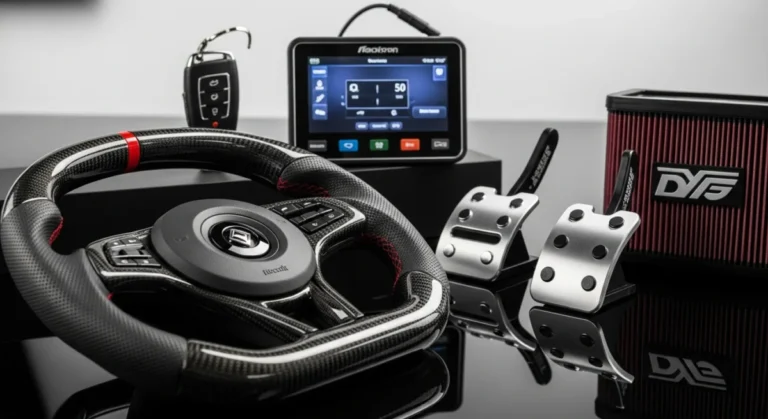
A steering wheel cover is an accessory designed to fit over your vehicle’s steering wheel. Its primary purpose is to enhance grip, improve comfort, and protect the original steering wheel from wear and tear. They come in various materials like leather, silicone, fabric, and even faux fur, offering different levels of comfort and style.
How it Works
Steering wheel covers work by adding a layer of material that increases the diameter and texture of the steering wheel. This makes it easier to grip, especially for people with smaller hands or those who find the factory steering wheel slippery. The cover’s material also absorbs sweat and reduces vibrations, further enhancing driver comfort and control. Some covers are designed with ergonomic features like molded grips or massaging beads to reduce hand fatigue during long drives. The fit is crucial. A well-fitted cover will stay securely in place, while a loose-fitting cover can slip, leading to loss of control.
Benefits and Key Features of Steering Wheel Covers
Steering wheel covers offer a multitude of benefits beyond just aesthetics. Choosing the right one can significantly improve your driving experience.
- Enhanced Grip: Provides a more secure and comfortable grip, especially in extreme weather conditions (hot or cold).
- Improved Comfort: Reduces hand fatigue and absorbs vibrations, making long drives more enjoyable.
- Protection: Shields the original steering wheel from wear and tear, UV damage, and spills.
- Personalization: Allows you to customize your car’s interior and express your personal style.
- Added Warmth/Coolness: Some materials, like faux fur or insulated covers, can keep your hands warmer in winter and cooler in summer.
- Safety: A snug fitting cover can enhance steering control by improving grip.
- Cost-Effective Upgrade: Cheaper than replacing the steering wheel, they can make an old car feel new.
Key Features to Look For
- Material: Consider the climate and your personal preference. Leather offers a luxurious feel, silicone provides excellent grip, and fabric is generally more affordable.
- Size: Ensure the cover is the correct size for your steering wheel. Too small, and it won’t fit; too large, and it will slip. Measure your steering wheel’s diameter before purchasing.
- Grip Texture: Look for covers with raised patterns, perforations, or other textured surfaces to enhance grip.
- Padding: Extra padding can improve comfort, especially on long drives.
- Durability: Choose a cover made from high-quality materials that will withstand daily use and resist wear and tear.
- Ease of Installation: Some covers are easier to install than others. Look for designs with stretchy materials or pre-stitched seams.
Installation Tips for Steering Wheel Covers
Proper installation is critical for both safety and longevity. A poorly installed cover can be dangerous and uncomfortable.
- Preparation: Clean your steering wheel thoroughly before installing the cover. Remove any dirt, grease, or debris that could interfere with the grip.
- Warming the Cover (If Necessary): For tighter fitting covers, especially in colder climates, warming the cover with a hairdryer can make it more pliable and easier to stretch.
- Starting Point: Begin by positioning the cover at the top of the steering wheel and gradually work your way down, stretching and pulling the cover as you go.
- Even Distribution: Ensure the cover is evenly distributed around the steering wheel. Avoid wrinkles or bunching.
- Secure Fit: The cover should fit snugly and securely, without any slippage or movement. If it feels loose, it’s either the wrong size or not installed correctly.
- Check Functionality: After installation, test the steering wheel to ensure the cover doesn’t interfere with its operation. Make sure you can turn the wheel smoothly and easily.
- Never force it: If the cover is too difficult to install, it’s likely the wrong size. Forcing it can damage both the cover and your steering wheel.
- Professional Installation: If you are uncomfortable with the installation process, consider having it done professionally.
Maintenance and Care for Steering Wheel Covers
Proper maintenance can extend the life of your steering wheel cover and keep it looking its best.
- Regular Cleaning: Clean the cover regularly with a damp cloth to remove dirt, sweat, and grime. For leather covers, use a leather cleaner and conditioner.
- Avoid Harsh Chemicals: Avoid using harsh chemicals or abrasive cleaners, as they can damage the material.
- Sun Protection: Park your car in the shade or use a sunshade to protect the cover from UV damage, which can cause fading and cracking.
- Avoid Sharp Objects: Be careful not to scratch or puncture the cover with sharp objects.
- Conditioning (For Leather): Leather covers should be conditioned regularly to keep them supple and prevent cracking.
- Replace When Worn: If the cover becomes excessively worn, cracked, or loose, replace it to maintain safety and comfort.
- Specific Material Cleaning: Follow the manufacturer’s instructions for cleaning specific materials. For example, fabric covers may be machine washable.
Top Buying Factors for Steering Wheel Covers
Choosing the right steering wheel cover depends on your individual needs and preferences. Consider these factors when making your purchase.
- Size and Fit: This is the most crucial factor. Measure your steering wheel accurately and choose a cover that is specifically designed for that size.
- Material: Select a material that is comfortable to grip, durable, and suitable for your climate.
- Grip and Texture: Look for covers with textured surfaces or ergonomic designs to enhance grip and reduce hand fatigue.
- Style and Aesthetics: Choose a cover that complements your car’s interior and reflects your personal style.
- Price: Steering wheel covers range in price from affordable to premium. Set a budget and choose a cover that offers the best value for your money.
- Brand Reputation: Opt for reputable brands known for quality and durability. Read reviews to get an idea of other customers’ experiences.
- Ease of Installation: Consider how easy the cover is to install, especially if you plan to do it yourself.
- Warranty: Look for covers that come with a warranty, which can protect you against defects in materials or workmanship.
- Safety Certification: Some covers may have safety certifications, indicating they have been tested and meet certain safety standards.
Essential FAQ About Steering Wheel Cover Legality
- Q: Are steering wheel covers universally legal?
A: No, the legality depends on whether the cover obstructs the driver’s view, interferes with the safe operation of the vehicle, or violates local regulations regarding vehicle safety.
- Q: Can a police officer pull me over specifically for having a steering wheel cover?
A: While unlikely to be the *sole* reason, if the officer observes the cover obstructing your view or impacting your control, they can pull you over. A loose-fitting cover could be considered a safety hazard.
- Q: Are there specific types of steering wheel covers that are always illegal?
A: Generally, excessively thick or bulky covers, or those with dangling ornaments, are more likely to be considered illegal due to the potential for obstruction or interference. Avoid covers that significantly alter the original steering wheel’s diameter.
- Q: How can I ensure my steering wheel cover is legal?
A: Choose a cover that fits snugly, doesn’t obstruct your view of the instrument panel, and doesn’t interfere with the smooth operation of the steering wheel. Check local regulations regarding vehicle modifications.
- Q: Does the material of the steering wheel cover affect its legality?
A: Not directly. The *fit* and *functionality* are more important. However, some materials might be less durable or provide a poorer grip, indirectly contributing to a safety concern. Conclusion
While the legality of steering wheel covers isn’t usually a black-and-white issue, prioritizing safety and common sense is paramount. A properly installed, well-fitting cover can enhance your driving experience, providing comfort and improved grip. However, a poorly chosen or improperly installed cover can compromise your safety and potentially violate local laws. By understanding the benefits, key features, installation tips, and legal considerations outlined in this guide, you can make an informed decision and ensure your steering wheel cover is both stylish and safe. Always prioritize function over fashion to enjoy a secure and compliant driving experience.