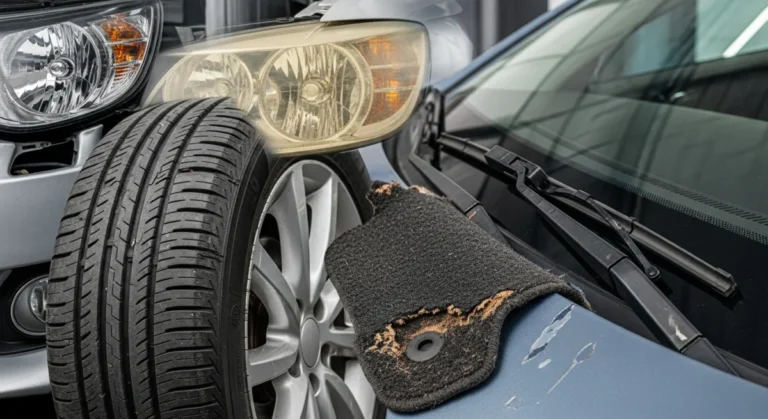
Construction sites are notorious for their demanding environments. Mud, debris, harsh weather, and constant wear and tear take a toll not just on the workers, but also on their vehicles. The interior of a work truck or van often becomes a casualty, rapidly deteriorating from daily abuse. Did you know that the average construction worker spends upwards of 400 hours a year inside their work vehicle? That’s a significant amount of time spent potentially exposed to harsh conditions that track in from the job site. This guide provides everything you need to know about choosing the right floor mats to protect your vehicle and maintain a clean, safe, and comfortable environment.
What are Construction-Grade Floor Mats?
Construction-grade floor mats are heavy-duty coverings designed to protect the flooring of vehicles frequently used in construction environments. Unlike standard automotive floor mats, these are engineered to withstand significantly harsher conditions, including heavy foot traffic, abrasive materials, and exposure to liquids and chemicals common on construction sites. These mats act as a barrier, preventing mud, dirt, gravel, water, and other debris from damaging the vehicle’s original carpeting or flooring.
How They Work
The primary function of a construction-grade floor mat is simple: to create a protective layer that shields the vehicle’s floor from damage. They achieve this through several key features:
- Durable Material: Made from materials like heavy-duty rubber, thermoplastic elastomers (TPE), or durable vinyl, these mats are resistant to tears, punctures, and wear.
- Raised Edges and Channels: Many floor mats feature raised edges or deep channels designed to trap liquids and debris, preventing them from spreading across the floor and potentially causing rust or staining.
- Non-Slip Surface: A textured or patterned surface provides a secure grip, preventing the mats from shifting underfoot and reducing the risk of slips and falls, especially when getting in and out of the vehicle with muddy or wet boots.
- Custom or Universal Fit: Construction floor mats come in both custom-fit and universal-fit options. Custom-fit mats are designed specifically for the make and model of the vehicle, ensuring a perfect fit and maximum coverage. Universal-fit mats offer a more general solution and may require some trimming for optimal fit.
Benefits and Key Features
Investing in high-quality construction-grade floor mats offers numerous benefits for both the vehicle and the workers who use it.
Protection and Durability
- Superior Protection: Shields the vehicle’s flooring from mud, dirt, spills, and other debris, preventing damage and extending the life of the interior.
- Enhanced Durability: Constructed from rugged materials that withstand heavy use and harsh conditions, resisting tears, punctures, and wear.
- Weather Resistance: Designed to withstand extreme temperatures, preventing cracking or warping in hot or cold weather.
Safety and Comfort
- Improved Safety: Non-slip surfaces and secure fit reduce the risk of slips and falls when entering or exiting the vehicle, particularly in wet or muddy conditions.
- Enhanced Comfort: Provides a more comfortable surface underfoot, especially for workers who spend long hours driving or riding in the vehicle.
- Noise Reduction: Some mats offer sound-dampening properties, reducing road noise and creating a quieter, more comfortable cabin environment.
Cleanliness and Convenience
- Easy Cleaning: Simple to remove and clean with soap and water, pressure washer, or even a quick hose down.
- Odor Control: Some mats are treated with antimicrobial agents to prevent the growth of bacteria and fungi, reducing unpleasant odors.
- Maintained Value: Protects the vehicle’s original flooring, helping to maintain its resale value.
Key Features to Look For
When selecting construction-grade floor mats, consider these essential features:
- Material: Heavy-duty rubber, TPE, or durable vinyl are the most common and reliable choices. Look for materials that are resistant to chemicals and abrasions.
- Fit: Opt for custom-fit mats for the best possible coverage and protection. If universal-fit mats are chosen, ensure they can be easily trimmed to fit the vehicle’s floor.
- Design: Raised edges and deep channels are crucial for trapping liquids and debris. Look for mats with aggressive treads or patterns for optimal grip.
- Thickness: Thicker mats offer greater protection and cushioning.
- Odor Resistance: If odor control is a concern, choose mats treated with antimicrobial agents.
- Warranty: A good warranty indicates the manufacturer’s confidence in the product’s quality and durability.
Installation Tips
Installing construction-grade floor mats is generally a straightforward process, but here are some tips to ensure a proper fit and optimal performance:
- Remove Existing Mats: Begin by removing any existing floor mats from the vehicle.
- Clean the Floor: Thoroughly clean the vehicle’s floor to remove any dirt, debris, or spills.
- Position the Mats: Place the new floor mats in the vehicle, ensuring they are properly aligned with the contours of the floor.
- Trim if Necessary: If using universal-fit mats, carefully trim them to fit the vehicle’s floor using a utility knife or scissors. Be sure to measure twice and cut once. Use caution when using sharp tools.
- Secure the Mats: Ensure the mats are securely in place and do not interfere with the operation of the pedals or other vehicle controls. Many mats come with retention clips or nibs to help hold them in place.
Maintenance and Care
Proper maintenance and care will extend the life of your construction-grade floor mats and keep them looking their best.
- Regular Cleaning: Clean the mats regularly to remove dirt, mud, and debris. This can be done with a vacuum cleaner, brush, or hose.
- Deep Cleaning: Periodically, give the mats a more thorough cleaning with soap and water or a pressure washer.
- Drying: Allow the mats to air dry completely before reinstalling them in the vehicle.
- Avoid Harsh Chemicals: Avoid using harsh chemicals or abrasive cleaners that could damage the mats.
- Inspect Regularly: Inspect the mats regularly for signs of wear or damage and replace them as needed.
Top Buying Factors
Choosing the right floor mats for your construction vehicle can be overwhelming. Consider these factors to make an informed decision:
- Vehicle Type and Model: The make, model, and year of your vehicle are critical for ensuring a proper fit. Custom-fit mats are generally the best option for achieving a perfect fit and maximum coverage.
- Work Environment: Consider the specific conditions of your construction site. Are you dealing with heavy mud, chemicals, or abrasive materials? Choose mats that are designed to withstand these conditions.
- Material Quality: Opt for high-quality materials like heavy-duty rubber, TPE, or durable vinyl.
- Budget: Construction-grade floor mats range in price from relatively inexpensive universal-fit options to more expensive custom-fit models. Determine your budget and choose mats that offer the best value for your money.
- Reviews and Ratings: Read online reviews and ratings from other construction workers to get an idea of the quality and performance of different floor mats.
- Brand Reputation: Choose mats from reputable brands known for producing high-quality automotive accessories.
Essential FAQ
Here are some frequently asked questions about construction-grade floor mats:
Q: Are custom-fit floor mats worth the extra cost?
A: Yes, for most construction applications. Custom-fit mats provide superior coverage and protection compared to universal-fit mats, ensuring a more secure fit and preventing debris from getting under the mats.
Q: How often should I clean my floor mats?
A: Clean your floor mats as needed, depending on the conditions of your construction site. In general, it’s a good idea to clean them at least once a week to prevent the buildup of dirt and debris.
Q: Can I use bleach to clean my floor mats?
A: Avoid using bleach or other harsh chemicals, as they can damage the mats. Use mild soap and water or a cleaner specifically designed for automotive floor mats.
Q: What is the difference between rubber and TPE floor mats?
A: Both rubber and TPE are durable and water-resistant materials. TPE (Thermoplastic Elastomer) is generally lighter, more flexible, and more resistant to extreme temperatures than rubber. Rubber is often more abrasion resistant.
Q: How do I prevent my floor mats from sliding around?
A: Choose mats with retention clips or nibs on the bottom to help hold them in place. If your mats are still sliding, you can use carpet tape or hook-and-loop fasteners to secure them to the vehicle’s floor.
Conclusion
Investing in high-quality construction-grade floor mats is a smart decision for any construction worker who wants to protect their vehicle’s interior, improve safety and comfort, and maintain a clean and organized work environment. By considering the factors outlined in this guide, you can choose the right floor mats to meet your specific needs and keep your vehicle looking its best, even in the toughest conditions. Take the time to research and choose wisely, and you’ll be rewarded with years of reliable protection and peace of mind.