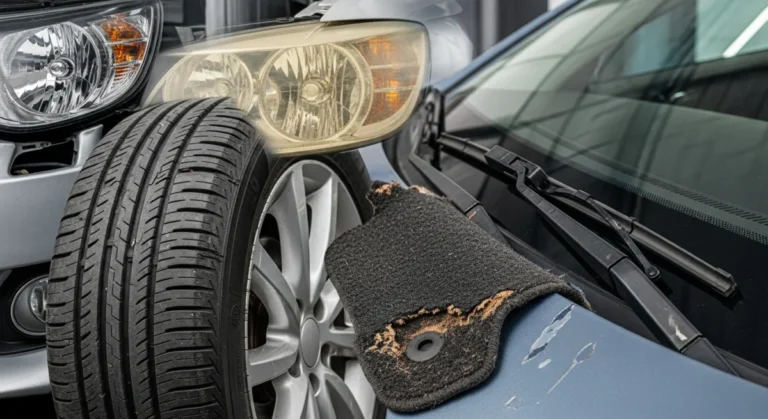
Car floor mats: a battlefield of choice where carpet and rubber wage a constant war for dominance. We’ve all been there, staring down the aisle at the auto parts store, wondering which material will best protect our car’s interior from the daily onslaught of dirt, grime, and the occasional spilled coffee. The global automotive floor mats market, valued at billions, proves this is a decision drivers take seriously. This comprehensive guide will dissect the strengths and weaknesses of both carpet and rubber floor mats, equipping you with the knowledge to make the right choice for your vehicle and lifestyle.
Carpet Floor Mats: The Classic Choice
What is it / How it works
Carpet floor mats are essentially miniature versions of the carpeting you might find in your home. They’re typically made from various synthetic fibers like nylon, polypropylene, or polyester woven or tufted onto a backing. This backing, often made of rubber or a similar non-slip material, helps to keep the mat securely in place. Their primary function is to absorb dirt, moisture, and debris, preventing it from reaching and staining the original carpet of your vehicle. The fibers trap contaminants, preventing them from being tracked around the cabin.
Benefits and Key Features
- Aesthetics: Carpet mats offer a more premium and integrated look. They blend seamlessly with the vehicle’s interior, often available in matching colors and styles.
- Comfort: The soft texture of carpet provides a comfortable surface for your feet, especially on long drives.
- Sound Dampening: Carpet can absorb some road noise, contributing to a quieter cabin environment.
- Customization: A vast range of colors, patterns, and even custom embroidery options are available.
- Absorption: Carpet excels at absorbing liquids, preventing them from spreading and potentially damaging electronics.
- OEM appearance: Many vehicles come standard with carpet mats, offering a factory-installed look.
Installation Tips
Installation is usually straightforward. Most carpet floor mats are designed to be a drop-in replacement for the original mats. Look for the following:
- Proper Fit: Ensure the mats are the correct size and shape for your specific vehicle model. Overlapping or ill-fitting mats can be a safety hazard.
- Secure Fasteners: Many vehicles have anchor points or clips that secure the mats in place. Use these to prevent the mats from shifting during driving.
- Clear the Area: Remove any existing mats or debris from the floor area before installing the new mats.
Maintenance and Care
- Vacuum Regularly: The most important step is to vacuum your carpet mats regularly to remove loose dirt and debris.
- Spot Clean Stains: Address spills and stains as soon as possible with a carpet cleaner specifically designed for automotive use.
- Deep Cleaning: Periodically, you’ll want to perform a more thorough cleaning. This can involve using a carpet shampooer or taking the mats to a professional detailer.
- Drying: Always ensure the mats are completely dry before reinstalling them in the vehicle to prevent mold and mildew growth.
- Rotation: Rotate the mats periodically (e.g., driver’s side with passenger’s side) to even out wear and tear.
Top Buying Factors
- Material Quality: Opt for high-quality fibers like nylon or solution-dyed polyester for durability and stain resistance.
- Backing: A non-slip backing is essential for safety. Look for rubber or nibbed backing to prevent movement.
- Fit: Precise fit is crucial. Consider custom-fit mats designed specifically for your vehicle model.
- Color and Style: Choose a color and style that complements your vehicle’s interior.
- Price: Carpet mats generally range in price from budget-friendly to high-end, depending on the materials and features. Consider your budget and needs.
- Brand Reputation: Research brands known for quality and durability.
Rubber Floor Mats: The Rugged Defender
What is it / How it works
Rubber floor mats, as the name suggests, are made from natural or synthetic rubber compounds. These mats are designed to provide a durable, waterproof barrier against dirt, spills, and wear. They often feature raised edges or channels to trap liquids and prevent them from spreading. Rubber’s inherent properties make it resistant to water, chemicals, and abrasions, making it ideal for heavy-duty use. They function by physically preventing any contaminants from reaching the carpeted floor of the car.
Benefits and Key Features
- Durability: Rubber mats are exceptionally durable and can withstand heavy use.
- Waterproof: They are completely waterproof, making them ideal for protecting against spills, rain, and snow.
- Easy to Clean: Rubber mats are incredibly easy to clean. Simply rinse them off with water.
- Protection: They provide excellent protection against dirt, mud, and other debris.
- All-Weather Performance: Rubber mats excel in all weather conditions, making them suitable for year-round use.
- Grip: The rubber surface provides excellent grip, preventing your feet from slipping.
- Chemical Resistance: Resistant to spills from gasoline, oil, and other car chemicals.
Installation Tips
- Proper Fit: Just like carpet mats, ensure the rubber mats are the correct size and shape for your vehicle.
- Secure Fasteners: Utilize any anchor points or clips provided in your vehicle to secure the mats.
- Cleaning New Mats: Some new rubber mats may have a slight odor. Cleaning them with soap and water before installation can help to reduce this.
Maintenance and Care
- Rinse with Water: The easiest way to clean rubber mats is to rinse them with water.
- Soap and Water: For tougher stains or grime, use soap and water.
- Scrubbing: Use a brush or sponge to scrub away dirt and debris.
- Drying: Allow the mats to air dry completely before reinstalling them in the vehicle. Avoid direct sunlight for extended periods as it can cause the rubber to degrade over time.
- Heavy Duty Cleaning: For caked-on mud, consider using a pressure washer (from a distance).
Top Buying Factors
- Material Type: Look for high-quality rubber or thermoplastic elastomer (TPE) for durability and flexibility.
- Fit: Precise fit is essential for maximum protection. Opt for custom-fit mats designed for your specific vehicle.
- Design: Consider the design of the mat, including the depth of the channels and the height of the raised edges.
- Odor: Some rubber mats can have a strong odor when new. Look for mats made from low-odor materials.
- Price: Rubber mats are generally more affordable than carpet mats.
- Coverage: Decide if you want full floor coverage, including the area under the pedals.
- Brand Reputation: Research brands known for producing high-quality rubber floor mats.
Essential FAQs
Q: Are rubber mats always black? A: No, while black is the most common color, rubber mats are available in a variety of colors, including gray, tan, and even some brighter hues.
Q: Do carpet mats wear out faster than rubber mats? A: Generally, yes. Carpet mats are more susceptible to wear and tear, especially in high-traffic areas.
Q: Can I use both carpet and rubber mats together? A: While technically possible, it’s not recommended due to potential fitment issues and safety concerns. Always prioritize a secure and properly fitted mat. Using two mats can increase the risk of slippage and interfere with pedal operation.
Q: Are custom-fit mats worth the extra cost? A: In most cases, yes. Custom-fit mats provide superior protection and a more refined look. They also minimize the risk of the mat interfering with pedals.
Q: What are the advantages of Thermoplastic Elastomer (TPE) mats over traditional rubber? A: TPE mats generally offer better flexibility, durability, and resistance to cracking compared to traditional rubber. They also often have lower odor.
Conclusion
The choice between carpet and rubber floor mats ultimately comes down to your individual needs and priorities. If you value aesthetics and comfort and are willing to invest in regular maintenance, carpet mats might be the right choice for you. If you prioritize durability, all-weather performance, and ease of cleaning, rubber mats are the clear winner. Consider your climate, lifestyle, and budget to make an informed decision that will keep your vehicle’s interior protected for years to come. No matter which option you choose, investing in quality floor mats is a worthwhile investment in the longevity and appearance of your car.