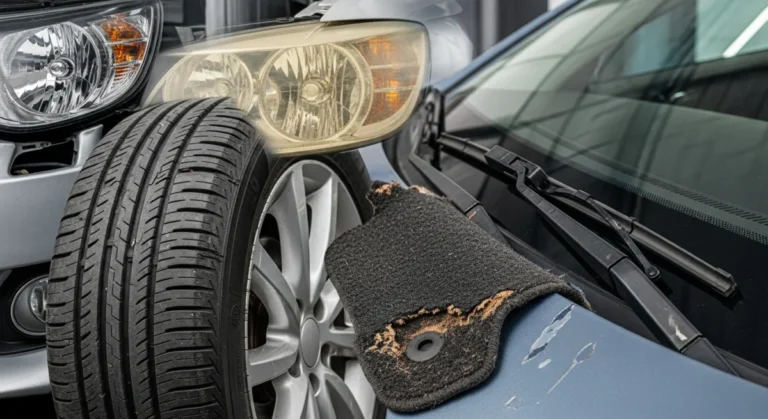
All-weather floor mats: the unsung heroes protecting your car’s interior. Let’s face it, our vehicles endure a lot. From muddy boots after a hike to spilled coffee during the morning commute, the floor of your car is a magnet for dirt, grime, and moisture. According to a recent study, the average car owner spends over $100 per year cleaning and detailing their car’s interior, with a significant portion of that cost directly related to floor stains and damage. The solution? Investing in high-quality all-weather floor mats. This guide will provide you with an in-depth look at these essential accessories, ensuring you choose the right ones to keep your car looking its best for years to come.
All-Weather Floor Mats: A Comprehensive Guide
What Are All-Weather Floor Mats and How Do They Work?
All-weather floor mats are heavy-duty, durable floor coverings designed to protect your vehicle’s original carpeting from the elements. Unlike standard carpeted floor mats, which primarily offer aesthetic appeal and minimal protection against spills and dirt, all-weather mats are crafted from materials like rubber, thermoplastic elastomers (TPE), or durable plastics. These materials are engineered to be waterproof, stain-resistant, and able to withstand harsh conditions such as snow, rain, mud, salt, and even spilled liquids.
These mats typically feature a raised lip or channeled design. This crucial feature acts as a barrier, preventing water, mud, and debris from seeping onto your vehicle’s carpet. The channeled design also helps to trap and contain spills, preventing them from spreading and causing permanent stains. Think of them as miniature moats guarding your car’s floor. The textured surface of all-weather mats also provides enhanced grip, preventing your feet from slipping, which can be a safety concern, especially during wet or snowy conditions.
Benefits and Key Features of All-Weather Floor Mats
Investing in all-weather floor mats offers a multitude of benefits, extending beyond just keeping your car clean:
- Superior Protection: The primary benefit is unparalleled protection against spills, dirt, mud, snow, salt, and other elements that can damage your vehicle’s carpet.
- Waterproof and Stain-Resistant: All-weather mats are designed to be impervious to liquids and resistant to staining, making cleanup a breeze.
- Enhanced Resale Value: By protecting your car’s original carpeting, all-weather mats help maintain its resale value. A clean, well-maintained interior is a significant selling point.
- Easy to Clean: Cleaning all-weather mats is simple. Just remove them from the vehicle, shake off loose debris, and hose them down. For tougher stains, use a mild soap and water solution.
- Improved Safety: The textured surface and custom fit of many all-weather mats provide better traction, preventing your feet from slipping while driving.
- Durability: These mats are built to last, even under heavy use and extreme weather conditions. They resist cracking, fading, and wear, ensuring long-term protection.
- Aesthetics: Many all-weather floor mats are designed to complement your car’s interior, offering a clean and stylish look. Some even come in various colors to match your personal preferences.
- Odor Control: The materials used in all-weather mats are often resistant to absorbing odors, helping to keep your car smelling fresh.
- Environmentally Friendly Options: Increasingly, manufacturers are offering all-weather floor mats made from recycled materials, providing an eco-conscious choice.
Key features to look for include:
- Custom Fit: Mats that are custom-designed to fit your specific vehicle model offer the best protection and coverage. They minimize gaps and prevent dirt from reaching the carpet underneath.
- High Lip Design: A raised lip around the perimeter of the mat is crucial for containing spills and preventing them from spreading.
- Deep Channels: Deep channels effectively trap and hold water, mud, and debris, keeping them away from your feet and your car’s carpet.
- Durable Material: Look for mats made from high-quality rubber, TPE, or durable plastics that can withstand wear and tear.
- Secure Attachment: Many mats feature anchors or fasteners that secure them to the vehicle’s floor, preventing them from shifting and sliding around.
Installation Tips for All-Weather Floor Mats
Installing all-weather floor mats is generally a straightforward process. However, following these tips will ensure a proper and secure fit:
1. Remove Existing Mats: Before installing your new all-weather mats, remove the factory floor mats. This will ensure a proper fit and prevent the all-weather mats from sliding around. 2. Ensure Correct Fitment: Verify that the mats are designed for your specific vehicle make, model, and year. A mismatched mat won’t provide adequate protection and may even be a safety hazard. 3. Use Anchors or Fasteners: Most all-weather floor mats come with anchors or fasteners that secure them to the vehicle’s floor. Make sure to use these to prevent the mats from shifting and sliding. 4. Position Properly: Align the mats carefully, ensuring they cover the entire footwell area. Pay close attention to the edges and corners to minimize gaps. 5. Test the Fit: Once the mats are installed, test them by moving your feet around. Ensure they stay in place and don’t interfere with the pedals or other controls. 6. Minor Adjustments (if needed): Some “universal” mats may require minor trimming for a perfect fit. Use a utility knife or scissors to carefully trim any excess material.
Maintenance and Care for All-Weather Floor Mats
Proper maintenance and care will extend the life of your all-weather floor mats and keep them looking their best:
- Regular Cleaning: Shake out your all-weather mats regularly to remove loose dirt and debris. This will prevent buildup and make cleaning easier.
- Hose Down: When the mats become heavily soiled, remove them from the vehicle and hose them down with water.
- Mild Soap and Water: For stubborn stains, use a mild soap and water solution. Scrub the mats with a brush or sponge, then rinse thoroughly.
- Air Dry: Allow the mats to air dry completely before reinstalling them in your vehicle. This will prevent mold and mildew growth. Avoid using harsh chemicals or abrasive cleaners, as they can damage the material.
- Protectants (Optional): Some all-weather mat manufacturers recommend using a protectant to help maintain the mat’s appearance and prevent cracking. Follow the manufacturer’s instructions carefully.
Top Buying Factors for All-Weather Floor Mats
Choosing the right all-weather floor mats can seem daunting, but considering these factors will help you make an informed decision:
- Vehicle Compatibility: The most important factor is ensuring the mats are designed for your specific vehicle make, model, and year. Custom-fit mats offer the best protection and coverage.
- Material: Consider the material of the mats. Rubber is durable and waterproof, while TPE offers a good balance of durability and flexibility. Heavy-duty plastics are also a viable option.
- Budget: All-weather floor mats range in price from budget-friendly options to premium models. Determine your budget and choose mats that offer the best value for your money.
- Coverage Area: Evaluate the coverage area of the mats. Look for mats that extend up the sides of the footwell and provide ample protection for the carpet.
- Attachment Method: Consider the attachment method of the mats. Anchors or fasteners are essential for keeping the mats in place and preventing them from shifting.
- Style and Appearance: Choose mats that complement your car’s interior and match your personal style.
- ⭐ Reviews and Ratings: Read online reviews and ratings to get an idea of the quality and performance of different all-weather floor mats.
- Environmental Considerations: If you’re environmentally conscious, look for mats made from recycled materials.
Essential FAQ About All-Weather Floor Mats
- Q: Are all-weather floor mats worth the investment?
A: Absolutely! Considering the cost of detailing or replacing your car’s carpet, all-weather floor mats are a cost-effective way to protect your investment and maintain your vehicle’s value.
- Q: Can I use all-weather floor mats on top of my existing carpeted mats?
A: It’s generally not recommended. Stacking mats can create a safety hazard, as the top mat may shift and interfere with the pedals. Always remove the carpeted mats before installing all-weather mats.
- Q: How often should I clean my all-weather floor mats?
A: The frequency of cleaning depends on how often you use your vehicle and the conditions you drive in. As a general rule, shake out the mats weekly and hose them down every few weeks or as needed.
- Q: Are there any all-weather floor mats that are truly odor-free?
A: While most all-weather mats are designed to resist odors, some may emit a slight rubbery smell when new. This smell typically dissipates within a few days or weeks. Look for mats made from low-VOC materials for a minimal odor.
- Q: Can all-weather floor mats be used in any type of vehicle?
A: Yes, all-weather floor mats are available for a wide range of vehicles, including cars, trucks, SUVs, and vans. However, it’s crucial to choose mats that are specifically designed for your vehicle’s make, model, and year to ensure a proper fit.
Conclusion
Investing in a set of high-quality all-weather floor mats is a smart decision for any car owner who wants to protect their vehicle’s interior and maintain its value. By understanding the benefits, features, and buying factors discussed in this guide, you can confidently choose the right mats to keep your car looking its best for years to come, regardless of the weather. So go ahead, give your car the protection it deserves and enjoy a clean, fresh interior every time you hit the road.