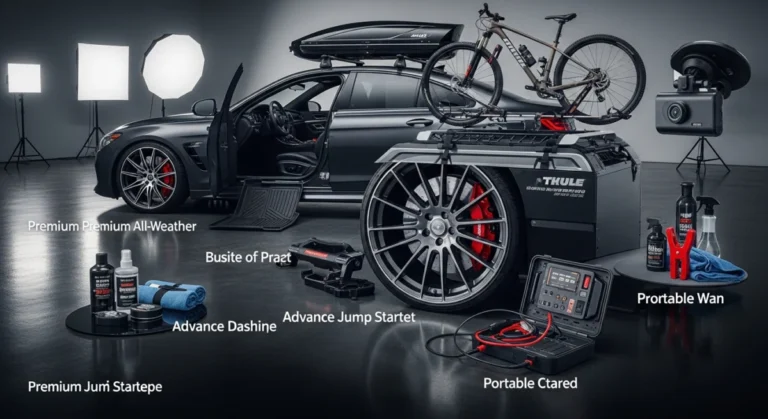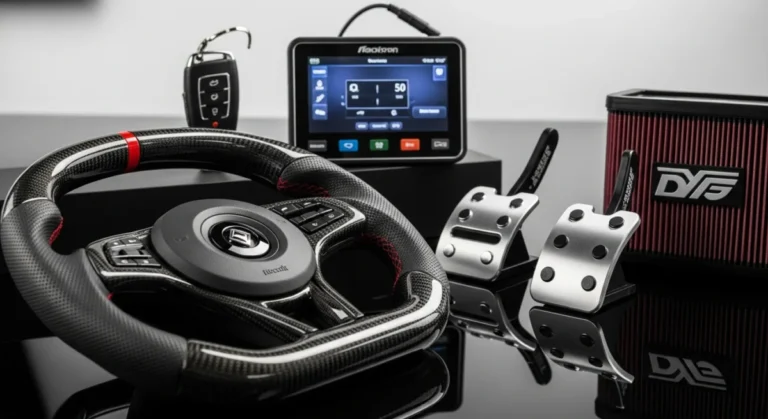
Ready to personalize your ride and boost its performance? Let’s dive into the exciting world of aftermarket car accessories. The automotive aftermarket is a multi-billion dollar industry, and for good reason. Whether you’re looking to enhance your car’s aesthetics, improve its performance, or simply make it more comfortable, there’s an accessory out there for you. But with so many options available, it can be overwhelming to know where to start. This guide provides a comprehensive overview of some of the most popular aftermarket car accessories, helping you make informed decisions and get the most out of your vehicle.
Wheels and Tires
What is it / How it works
Wheels and tires are fundamental to your vehicle’s handling, performance, and appearance. Aftermarket wheels offer a wide range of styles, sizes, and materials beyond what’s typically available from the factory. They’re attached to the car’s hub via studs and lug nuts, transferring power from the engine to the road. Tires, mounted on the wheels, provide traction, absorb shocks, and contribute to braking performance.
Benefits and key features
- Improved Aesthetics: A new set of wheels can dramatically change your car’s look.
- Enhanced Handling: Lighter wheels reduce unsprung weight, improving suspension response. Wider tires offer increased grip.
- Performance Upgrade: Lighter wheels and performance tires can enhance acceleration, braking, and cornering.
- Customization Options: Choose from various finishes, designs, and sizes to match your personal style.
Installation tips (if applicable)
- Ensure proper fitment: Consult with a tire and wheel specialist to ensure the chosen wheels and tires are compatible with your vehicle’s specifications. Pay attention to bolt pattern, offset, and center bore.
- Use a torque wrench: Tighten lug nuts to the manufacturer’s recommended torque specification to prevent wheel damage and ensure safe driving.
- Consider professional installation: If you’re not comfortable with the installation process, seek professional assistance.
Maintenance and care
- Regular cleaning: Use a mild soap and water solution to clean wheels and tires regularly, removing brake dust and grime.
- Tire pressure monitoring: Check tire pressure regularly and maintain the recommended levels to ensure optimal performance and longevity.
- Tire rotation: Rotate tires regularly to promote even wear and extend their lifespan.
- Wheel balancing: Have wheels balanced periodically to prevent vibrations and uneven tire wear.
Top buying factors
- Size and Fitment: Correct diameter, width, offset, and bolt pattern.
- Material and Construction: Alloy wheels are generally lighter and stronger than steel wheels.
- Tire Type: Choose tires based on your driving needs (e.g., all-season, performance, winter).
- Budget: Wheel and tire prices can vary widely, so set a budget and stick to it.
- Brand Reputation: Opt for reputable brands known for quality and durability.

Exhaust Systems
What is it / How it works
An exhaust system channels exhaust gases away from the engine, reducing noise and emissions. Aftermarket exhaust systems are often designed to improve airflow and reduce backpressure, leading to increased horsepower and torque. They typically consist of headers, catalytic converter(s), mufflers, and tailpipes.
Benefits and key features
- Increased Horsepower and Torque: Reduced backpressure allows the engine to breathe more efficiently.
- Improved Fuel Efficiency: A more efficient engine can result in better gas mileage.
- Enhanced Sound: Aftermarket exhaust systems can provide a more aggressive and sporty exhaust note.
- Weight Reduction: Many aftermarket systems are lighter than the factory exhaust, improving overall vehicle performance.
Installation tips (if applicable)
- Safety First: Allow the exhaust system to cool completely before attempting installation. Use jack stands to support the vehicle safely.
- Penetrating Oil: Apply penetrating oil to rusted bolts and nuts to make removal easier.
- Proper Sealing: Use new gaskets and sealants to ensure a leak-free exhaust system.
- Check for Clearance: Ensure the exhaust system has adequate clearance from other components to prevent rattling and damage.
- Consider Professional Installation: Exhaust system installations can be complex and may require welding or fabrication.
Maintenance and care
- Regular Inspection: Inspect the exhaust system regularly for leaks, rust, and damage.
- Tighten Connections: Check and tighten exhaust clamps and bolts periodically.
- Protective Coatings: Apply protective coatings to prevent rust and corrosion.
Top buying factors
- Sound Level: Consider the desired sound level and choose an exhaust system accordingly.
- Performance Gains: Research the expected horsepower and torque gains.
- Material: Stainless steel exhaust systems offer excellent durability and corrosion resistance.
- Fitment: Ensure the exhaust system is designed specifically for your vehicle model.
- Legality: Verify that the exhaust system meets local emissions regulations.
Suspension Upgrades
What is it / How it works
Suspension upgrades modify the vehicle’s suspension system to improve handling, ride quality, and stance. Common upgrades include lowering springs, coilovers, sway bars, and upgraded shocks and struts. These components control the movement of the vehicle’s wheels and body, influencing how it handles and feels on the road.
Benefits and key features
- Improved Handling: Reduced body roll, increased stability, and enhanced responsiveness.
- Enhanced Ride Quality: Upgraded shocks and struts can provide a smoother and more comfortable ride.
- Lowered Stance: Lowering springs or coilovers can give your car a more aggressive and sporty look.
- Adjustability: Coilovers offer adjustable ride height and damping, allowing for fine-tuning of the suspension.
Installation tips (if applicable)
- Spring Compressors: Use spring compressors safely when installing lowering springs or coilovers.
- Torque Specifications: Tighten all suspension components to the manufacturer’s recommended torque specifications.
- Wheel Alignment: A wheel alignment is essential after any suspension modification to ensure proper handling and tire wear.
- Consider Professional Installation: Suspension upgrades can be complex and require specialized tools.
Maintenance and care
- Regular Inspection: Inspect suspension components regularly for wear, damage, and leaks.
- Tighten Connections: Check and tighten suspension bolts and nuts periodically.
- Clean Components: Clean suspension components regularly to remove dirt and grime.
Top buying factors
- Desired Ride Height: Determine the desired ride height and choose suspension components accordingly.
- Driving Style: Consider your driving style and choose suspension components that match your needs (e.g., daily driving, track use).
- Compatibility: Ensure the suspension components are compatible with your vehicle model.
- Budget: Suspension upgrades can range in price from relatively affordable to very expensive.
- Brand Reputation: Choose reputable brands known for quality and performance.
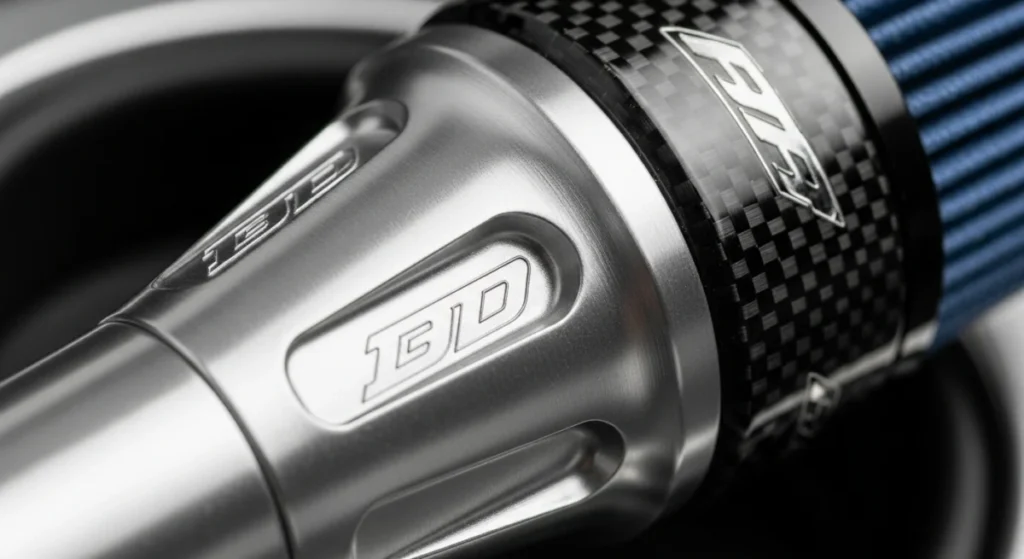
Performance Chips / Tuners
What is it / How it works
Performance chips or tuners reprogram the vehicle’s engine control unit (ECU) to optimize engine performance. They can adjust parameters such as fuel injection, ignition timing, and boost pressure (for turbocharged engines). This results in increased horsepower, torque, and improved throttle response.
Benefits and key features
- Increased Horsepower and Torque: Optimize engine parameters for maximum performance.
- Improved Throttle Response: Quicker acceleration and a more responsive feel.
- Enhanced Fuel Efficiency: Some tuners offer fuel-saving modes.
- Customizability: Many tuners allow for custom tuning to suit specific modifications.
Installation tips (if applicable)
- Follow Instructions Carefully: Read and follow the manufacturer’s instructions carefully.
- Compatibility: Ensure the tuner is compatible with your vehicle model and ECU.
- Back Up Original Settings: Back up the original ECU settings before installing the tuner.
- OBDII Port: Most tuners connect to the vehicle’s OBDII port.
Maintenance and care
- Software Updates: Keep the tuner’s software updated to ensure optimal performance and compatibility.
- Monitor Engine Performance: Monitor engine performance closely after installing the tuner.
Top buying factors
- Performance Gains: Research the expected horsepower and torque gains.
- Compatibility: Ensure the tuner is compatible with your vehicle model and ECU.
- Features: Consider the features offered by the tuner, such as custom tuning and data logging.
- Brand Reputation: Choose reputable brands known for quality and reliability.
- Legality: Verify that the tuner meets local emissions regulations.
Car Audio Systems
What is it / How it works
Car audio systems consist of components that play music and audio within your car. This includes head units (radios), speakers, amplifiers, and subwoofers. Upgrading these components can significantly improve the sound quality and overall listening experience.
Benefits and key features
- Improved Sound Quality: Clearer highs, richer mids, and deeper bass.
- Enhanced Listening Experience: Enjoy your favorite music with greater clarity and detail.
- Customization Options: Choose from a wide range of components to create a system that meets your specific needs and preferences.
- Modern Features: Add features like Bluetooth connectivity, Apple CarPlay, and Android Auto.
Installation tips (if applicable)
- Disconnect the Battery: Disconnect the negative terminal of the battery before working on the car’s electrical system.
- Wiring Harnesses: Use wiring harnesses to connect aftermarket components to the factory wiring.
- Speaker Placement: Consider the placement of speakers for optimal sound quality.
- Consider Professional Installation: Car audio installations can be complex and may require specialized tools and knowledge.
Maintenance and care
- Clean Components: Clean speakers and other components regularly to remove dust and grime.
- Avoid Overloading: Avoid overloading the amplifier to prevent damage.
Top buying factors
- Sound Quality: Listen to different systems and choose components that sound good to you.
- Compatibility: Ensure the components are compatible with your vehicle model.
- Features: Consider the features offered by the components, such as Bluetooth connectivity and Apple CarPlay.
- Budget: Car audio systems can range in price from relatively affordable to very expensive.
- Brand Reputation: Choose reputable brands known for quality and performance.

Essential FAQ
Q: Will aftermarket accessories void my car’s warranty? A: Not necessarily. The Magnuson-Moss Warranty Act protects consumers from having their warranties voided simply for using aftermarket parts. However, if an aftermarket part directly causes a failure that is covered by the warranty, the warranty claim may be denied.
Q: How do I know if an aftermarket part is compatible with my car? A: Always check the manufacturer’s specifications and vehicle fitment guides. Consulting with a professional installer can also help ensure compatibility.
Q: Where can I find reliable aftermarket car accessories? A: Look for reputable retailers, online marketplaces, and local shops specializing in aftermarket car accessories. Research brands and read reviews before making a purchase.
Q: What are some essential tools needed for DIY aftermarket car accessory installation? A: Basic tools include sockets, wrenches, screwdrivers, pliers, and wire cutters. Depending on the accessory, you may also need specialized tools like torque wrenches, spring compressors, or OBDII scanners.
Q: Is it always better to choose the most expensive aftermarket part? A: Not necessarily. While higher-priced parts often offer better quality and performance, it’s important to consider your specific needs and budget. Research different options and choose the part that best meets your requirements.
Conclusion
The world of aftermarket car accessories offers endless possibilities to personalize and enhance your vehicle. By understanding the different types of accessories available, their benefits, and how to choose the right ones for your needs, you can transform your car into a truly unique and enjoyable ride. Remember to prioritize safety, quality, and compatibility when selecting and installing aftermarket parts. Happy modifying!