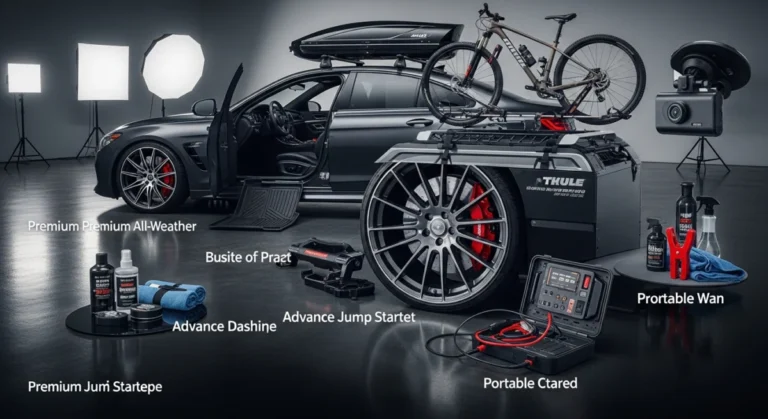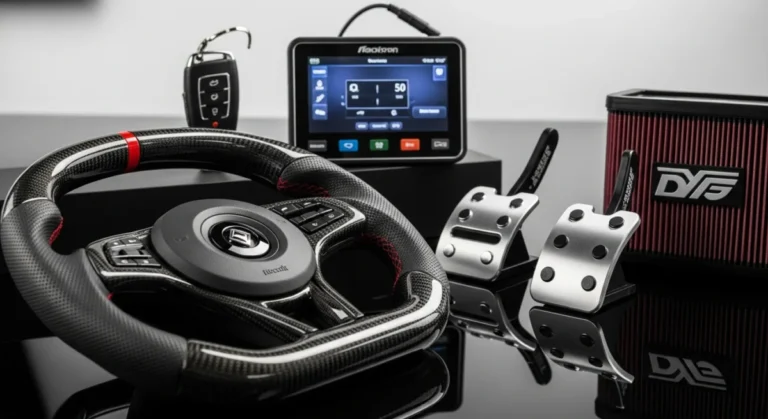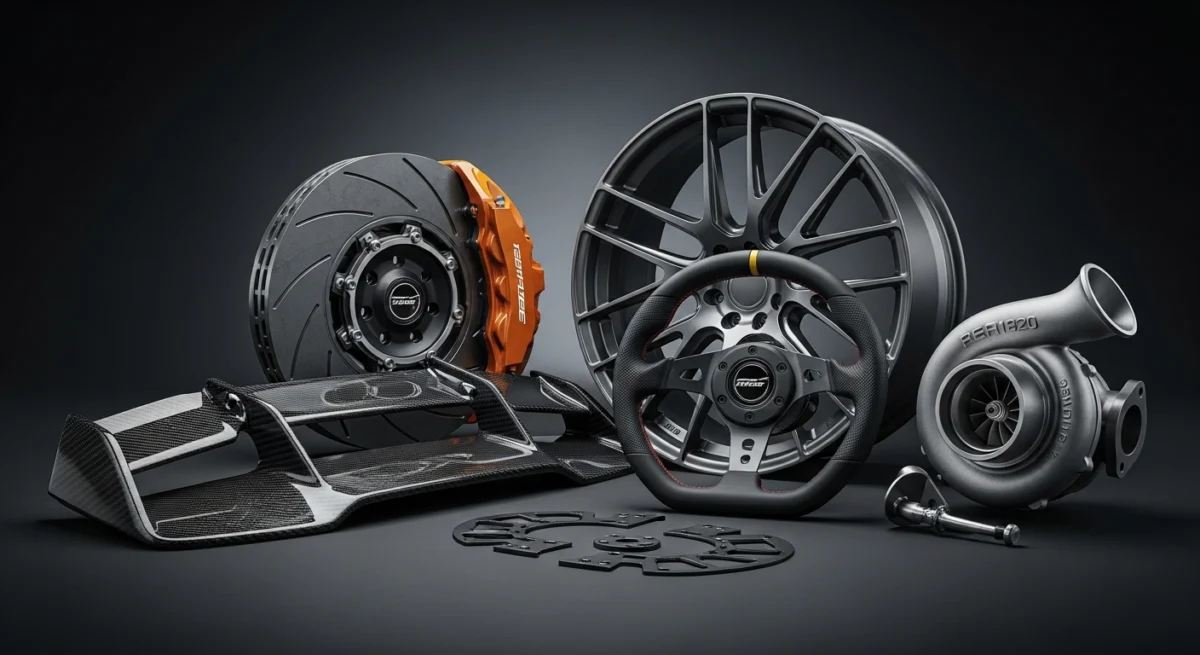
Welcome to the exciting world of car modification! Whether you’re looking to boost performance, enhance aesthetics, or simply personalize your ride, the right car modification accessories can make a world of difference. The automotive aftermarket is a multi-billion dollar industry, with projections showing continued growth as drivers seek to express their individuality and push their vehicles to new limits. But with so many options available, navigating the landscape can be daunting. This guide will provide a comprehensive overview of some of the most popular and impactful modification accessories, helping you make informed decisions and achieve your automotive dreams.
Performance-Enhancing Accessories
Cold Air Intake Systems

What is it / How it works
A cold air intake (CAI) replaces your vehicle’s factory air intake system with a more efficient design. Its primary goal is to draw cooler air into the engine. Cooler air is denser, containing more oxygen molecules per unit volume. This increased oxygen allows the engine to burn more fuel, resulting in a more powerful combustion process and improved horsepower and torque. CAIs typically feature a larger, less restrictive air filter and smoother intake tubing, minimizing airflow turbulence and maximizing the volume of air entering the engine.
Benefits and Key Features
- Increased Horsepower and Torque: One of the primary reasons for installing a CAI is the potential for performance gains. While the exact increase varies by vehicle and intake design, gains of 5-15 horsepower are common.
- Improved Fuel Economy: While not always the primary focus, some CAIs can slightly improve fuel economy by allowing the engine to operate more efficiently.
- Enhanced Engine Sound: Many drivers appreciate the aggressive, throaty sound that a CAI adds to the engine, especially under acceleration.
- Washable and Reusable Air Filter: High-quality CAIs typically come with washable and reusable air filters, saving you money on replacements in the long run.
Installation Tips
- Carefully disconnect the mass airflow sensor (MAF) sensor harness before removing the factory airbox.
- Follow the manufacturer’s instructions precisely.
- Use proper tools to avoid damaging components.
- Ensure all connections are secure to prevent air leaks.
Maintenance and Care
- Regularly clean the air filter according to the manufacturer’s instructions. Over-oiling can damage the MAF sensor.
- Inspect the intake tubing for cracks or damage.
- Check all clamps and connections to ensure they are tight.
Top Buying Factors
- Filter Type: Look for a high-quality, washable, and reusable filter.
- Material: Intake tubes are often made from aluminum or plastic. Aluminum offers better heat dissipation but can be more expensive.
- Fit and Finish: Ensure the CAI is designed specifically for your vehicle for a perfect fit.
- Brand Reputation: Choose a reputable brand known for quality and performance.
Performance Exhaust Systems
What is it / How it works
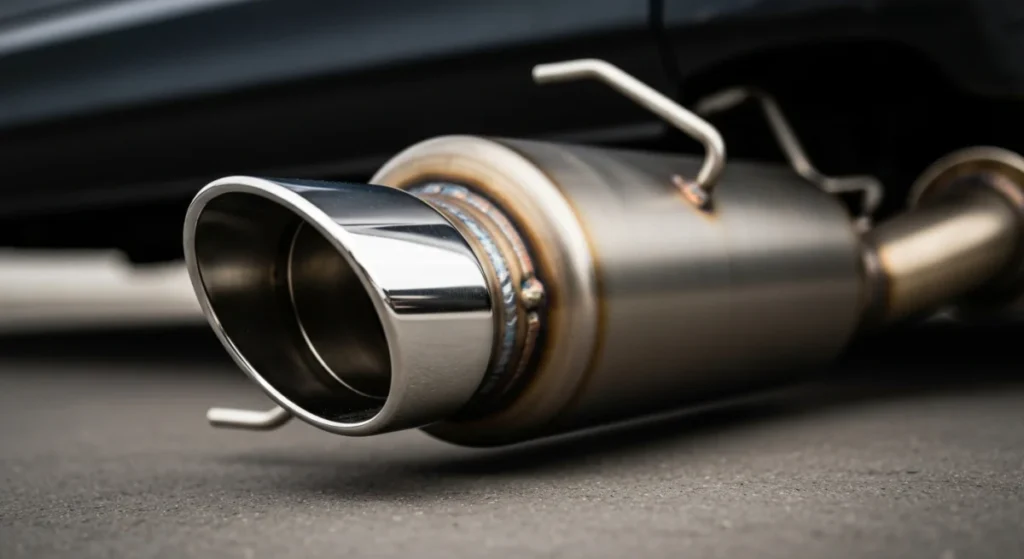
A performance exhaust system is designed to improve the flow of exhaust gases from the engine. Factory exhaust systems are often restrictive to reduce noise and emissions. Performance systems typically feature larger diameter pipes, smoother bends, and less restrictive mufflers and catalytic converters, allowing exhaust gases to exit the engine more efficiently. This reduced backpressure allows the engine to breathe easier, resulting in increased horsepower and torque.
Benefits and Key Features
- Increased Horsepower and Torque: Similar to CAIs, performance exhaust systems can unlock hidden power by reducing backpressure.
- Improved Throttle Response: Engines respond more quickly to throttle inputs with a less restrictive exhaust system.
- Enhanced Sound: A deep, aggressive exhaust note is a popular benefit of performance exhaust systems.
- Aesthetic Appeal: Many performance exhaust systems feature polished stainless steel tips that enhance the vehicle’s appearance.
Installation Tips
- Working with exhaust systems can be dangerous due to high temperatures. Allow the exhaust system to cool completely before starting work.
- Use penetrating oil to loosen rusted bolts and fasteners.
- Support the exhaust system with jack stands during installation.
- Ensure all connections are sealed properly to prevent exhaust leaks.
Maintenance and Care
- Inspect the exhaust system regularly for rust, leaks, or damage.
- Check the hangers and mounts to ensure they are secure.
- Address any issues promptly to prevent further damage.
Top Buying Factors
- Material: Stainless steel is the most durable and corrosion-resistant option. Aluminized steel is a more affordable alternative but is less resistant to rust.
- Pipe Diameter: Larger diameter pipes generally offer better performance but can sometimes reduce low-end torque.
- Muffler Type: Choose a muffler that provides the desired sound level and performance characteristics.
- Brand Reputation: Select a reputable brand known for quality and fitment.
Performance Chips / Programmers
What is it / How it works
Performance chips or programmers are electronic devices that remap the engine’s computer (ECU) to optimize performance. These devices can adjust parameters such as fuel injection, ignition timing, and boost pressure (for turbocharged vehicles) to increase horsepower, torque, and throttle response.
Benefits and Key Features
- Increased Horsepower and Torque: Performance chips can provide significant power gains, especially on turbocharged vehicles.
- Improved Throttle Response: Optimized engine parameters result in quicker and more responsive acceleration.
- Customizable Tuning: Many programmers allow users to customize tuning parameters to suit their specific needs and preferences.
- Diagnostic Capabilities: Some programmers can also read and clear diagnostic trouble codes (DTCs).
Installation Tips
- Follow the manufacturer’s instructions carefully.
- Ensure the programmer is compatible with your vehicle’s make, model, and year.
- Some programmers require connecting to the vehicle’s OBD-II port, while others may require more complex wiring.
Maintenance and Care
- Keep the programmer software updated to ensure compatibility and access to the latest features.
- Store the programmer in a safe place when not in use.
Top Buying Factors
- Compatibility: Ensure the programmer is compatible with your specific vehicle.
- Features: Consider the features offered, such as customizable tuning, data logging, and diagnostic capabilities.
- User Interface: Choose a programmer with an easy-to-use interface.
- Brand Reputation: Opt for a reputable brand with a proven track record.
Aesthetic Accessories
Custom Wheels and Tires
What is it / How it works
Custom wheels and tires dramatically alter the appearance and performance of a vehicle. Wheels come in various sizes, styles, and finishes, allowing drivers to personalize their car’s look. Tires, on the other hand, affect handling, traction, and ride comfort. Choosing the right combination of wheels and tires can significantly enhance a vehicle’s aesthetics and driving experience.
Benefits and Key Features
- Enhanced Aesthetics: Custom wheels instantly transform a vehicle’s appearance, making it stand out from the crowd.
- Improved Handling: Performance tires can provide superior grip and handling, especially in cornering and braking.
- Reduced Weight: Lightweight wheels can improve acceleration and fuel economy.
- Increased Ride Comfort: Choosing the right tire size and type can enhance ride comfort.

Installation Tips
- Use a torque wrench to tighten lug nuts to the manufacturer’s specified torque.
- Ensure the wheels are properly balanced to prevent vibrations.
- Check tire pressure regularly.
Maintenance and Care
- Clean wheels regularly to remove brake dust and grime.
- Rotate tires regularly to ensure even wear.
- Inspect tires for damage or wear.
Top Buying Factors
- Wheel Size: Choose a wheel size that complements your vehicle’s dimensions and desired look.
- Wheel Style: Select a wheel style that matches your personal taste.
- Tire Type: Choose tires based on your driving needs and conditions (e.g., summer performance, all-season, winter).
- Brand Reputation: Select reputable wheel and tire brands known for quality and performance.
Body Kits
What is it / How it works
A body kit is a set of aftermarket body panels designed to alter the appearance of a vehicle. Body kits typically include front and rear bumpers, side skirts, and sometimes a rear spoiler. These components can give a vehicle a more aggressive, sporty, or customized look.
Benefits and Key Features
- Enhanced Aesthetics: Body kits drastically change a vehicle’s appearance, giving it a unique and personalized look.
- Improved Aerodynamics: Some body kits are designed to improve aerodynamics, reducing drag and increasing downforce.
- Personalization: Body kits allow drivers to express their individuality and create a truly unique vehicle.
Installation Tips
- Professional installation is highly recommended, as body kit installation can be complex and requires specialized tools and skills.
- Ensure the body kit is designed specifically for your vehicle for a perfect fit.
- Proper preparation and painting are essential for a seamless and professional finish.
Maintenance and Care
- Wash and wax the body kit regularly to maintain its appearance.
- Inspect the body kit for damage or cracks.
- Address any issues promptly to prevent further damage.
Top Buying Factors
- Material: Body kits are typically made from fiberglass, polyurethane, or carbon fiber. Polyurethane is the most durable and flexible option.
- Fit and Finish: Ensure the body kit is designed specifically for your vehicle for a perfect fit.
- Style: Choose a body kit style that complements your vehicle’s design.
- Brand Reputation: Select a reputable brand known for quality and fitment.
Essential FAQs
1. Will modifying my car void my warranty? Modifications can potentially void certain parts of your warranty if the modification is directly related to the failure. It’s best to check with your dealer or manufacturer before making any significant modifications. 2. How much horsepower can I gain from a cold air intake and exhaust system? Gains vary by vehicle, but a typical combination can yield 10-25 horsepower. 3. What are the best tires for performance driving? This depends on your vehicle and driving style. Summer performance tires offer the best grip in dry conditions, while all-season tires provide a balance of performance and versatility. 4. Is it legal to install a performance exhaust system that removes the catalytic converter? Removing or altering the catalytic converter is illegal in most states and violates federal emissions regulations. 5. How much does it typically cost to install a body kit? Body kit installation costs vary widely depending on the complexity of the kit and the labor rates of the installer. Expect to pay anywhere from $500 to $2000 or more.
Conclusion
Car modification accessories offer a fantastic way to enhance your vehicle’s performance, appearance, and overall driving experience. By carefully considering your goals, researching your options, and choosing high-quality components, you can transform your car into a unique and personalized machine. Remember to prioritize safety, legality, and proper installation to ensure a rewarding and trouble-free modification journey. Happy modifying!