Okay, buckle up! Let’s dive into the world of auto parts and accessories. Ever wonder what truly keeps your ride running smoothly, safely, and looking sharp? It’s more than just gasoline; it’s the intricate dance of thousands of meticulously engineered components. With the US automotive aftermarket projected to reach over $400 billion in the coming years, knowing your way around auto parts and accessories isn’t just a hobby – it’s a smart investment in your vehicle’s longevity and performance. So, whether you’re a seasoned gearhead or a weekend DIYer, this guide will give you the inside track on everything you need to know.
Auto Parts: The Heart and Soul of Your Vehicle
Auto parts encompass the thousands of components that make up your vehicle, from the engine to the taillights. They are essential for its operation, safety, and reliability. Let’s break down some key categories.
What is it / How it works
Auto parts are broadly categorized as either OEM (Original Equipment Manufacturer) or aftermarket. OEM parts are manufactured by the same company that built your vehicle or are approved by them. They’re designed to be direct replacements for the original components. Aftermarket parts, on the other hand, are manufactured by third-party companies. They may be designed as direct replacements or offer enhanced performance or style.
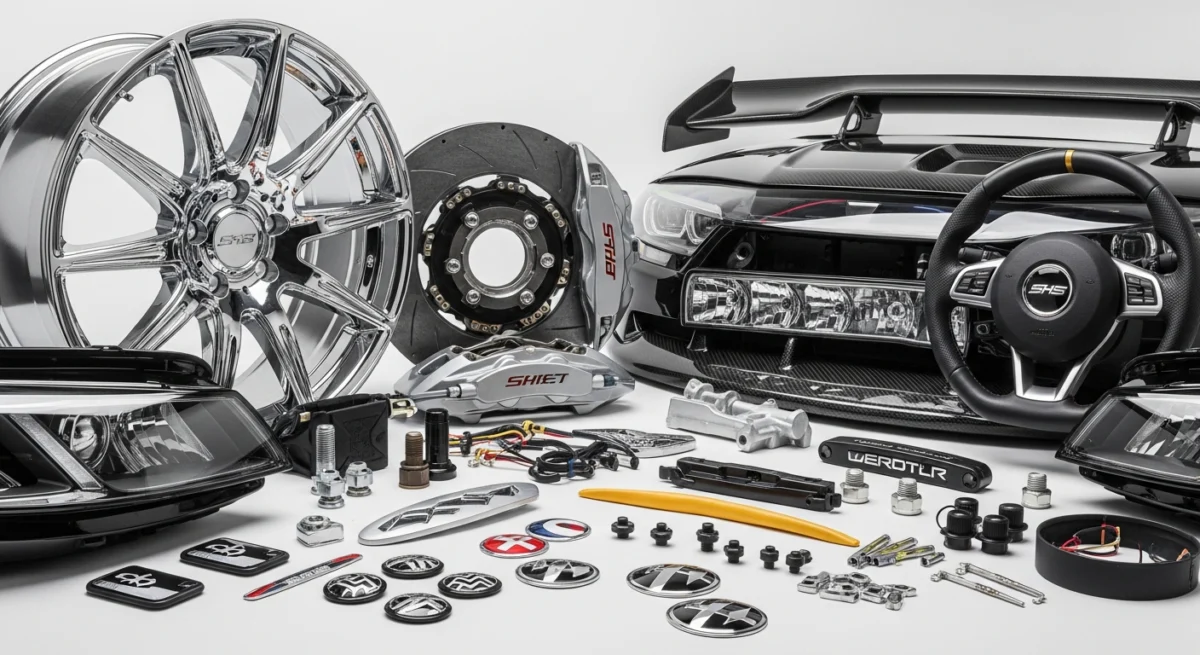
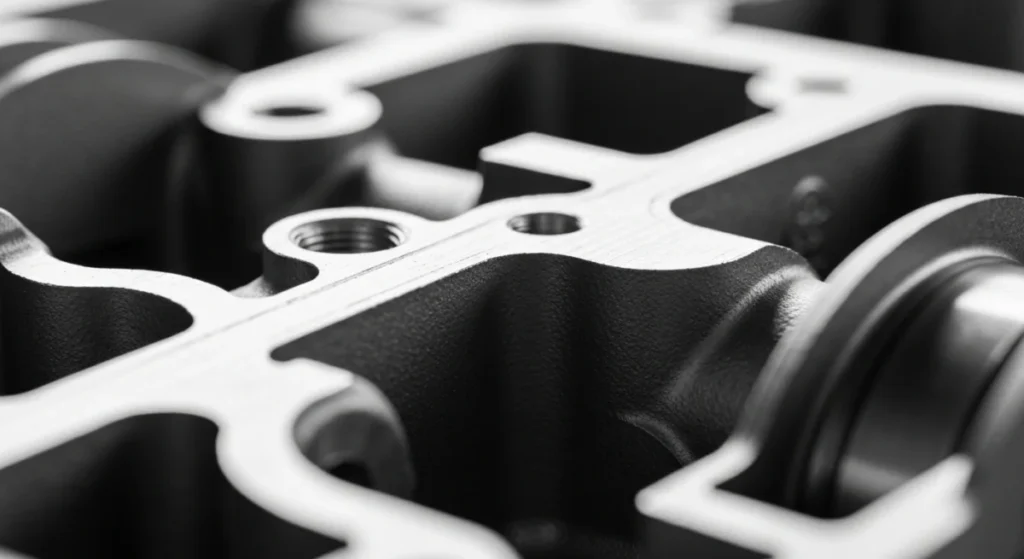
Think of your engine as the heart. Parts like the pistons, crankshaft, and camshaft work in harmony to convert fuel into mechanical energy. The cooling system, including the radiator, water pump, and thermostat, regulates the engine’s temperature. The electrical system, comprised of the battery, alternator, and starter, provides power for starting and running the vehicle. The suspension system (shocks, struts, springs) absorbs bumps for a smoother ride, while the braking system (rotors, pads, calipers) brings everything to a halt safely.
Benefits and Key Features
- Reliability: Using high-quality parts, whether OEM or reputable aftermarket brands, ensures dependable performance.
- Safety: Functioning brakes, properly inflated tires, and well-maintained lights are critical for safe driving.
- Performance: Upgraded parts can improve your vehicle’s horsepower, handling, and fuel efficiency.
- Longevity: Regular maintenance with quality parts can significantly extend your vehicle’s lifespan.
- Warranty: Many parts, especially OEM, come with warranties that protect against defects.
Installation Tips (if applicable)
- Safety First: Disconnect the battery before working on any electrical components. Wear safety glasses and gloves.
- Consult the Manual: Refer to your vehicle’s repair manual or a reputable online resource for specific instructions.
- Proper Tools: Use the correct tools for the job to avoid damaging parts or injuring yourself.
- Cleanliness: Keep your work area clean to prevent contamination of sensitive components.
- Torque Specifications: Tighten bolts and nuts to the manufacturer’s specified torque values.
- If in Doubt, Seek Professional Help: Don’t hesitate to take your vehicle to a qualified mechanic if you’re unsure about any repair.
Maintenance and Care
- Regular Inspections: Regularly inspect your vehicle for signs of wear or damage.
- Fluid Checks: Check and top off fluids like oil, coolant, brake fluid, and power steering fluid.
- Filter Replacements: Replace air filters, oil filters, and fuel filters according to the manufacturer’s recommendations.
- Scheduled Maintenance: Follow the recommended maintenance schedule in your owner’s manual.
- Prompt Repairs: Address any issues promptly to prevent further damage.
Top Buying Factors
- Budget: Determine your budget and research parts within that price range.
- Research: Read reviews and compare products from different manufacturers.
- Compatibility: Ensure that the part is compatible with your vehicle’s make, model, and year.
- Warranty: Check the warranty offered by the manufacturer.
- Brand Reputation: Choose reputable brands known for quality and reliability.
- Return Policy: Understand the retailer’s return policy in case you need to exchange or return a part.
- Availability: Is the part readily available, or will you be waiting for weeks?
Auto Accessories: Personalize Your Ride
Auto accessories are additions or enhancements to your vehicle that can improve its aesthetics, comfort, convenience, and functionality.
What is it / How it works
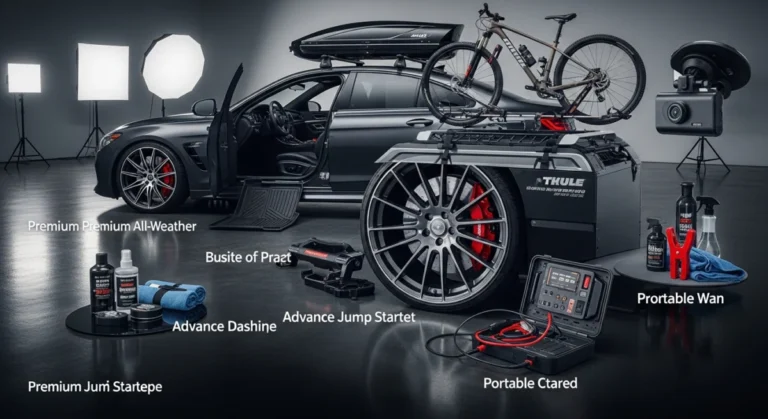
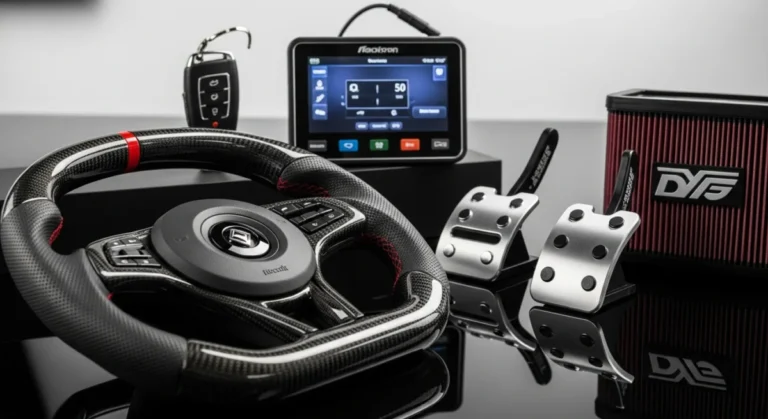
Accessories range from cosmetic upgrades like custom wheels, spoilers, and paint jobs to functional improvements like roof racks, trailer hitches, and cargo organizers. Some accessories, such as dash cams and parking sensors, enhance safety, while others, like premium audio systems and seat covers, improve comfort.
Think of accessories as the personality of your car. They can range from practical additions like floor mats designed to protect your car’s interior to performance enhancements like cold air intakes designed to boost engine power. The world of car accessories is constantly evolving, with new and innovative products hitting the market every year.
Benefits and Key Features
- Personalization: Customize your vehicle to reflect your personal style.
- Comfort: Enhance the comfort of your driving experience.
- Convenience: Add features that make your vehicle more practical for your needs.
- Protection: Protect your vehicle’s interior and exterior from wear and tear.
- Performance: Improve your vehicle’s performance with aftermarket upgrades.
Installation Tips (if applicable)
- Read Instructions Carefully: Follow the manufacturer’s instructions for installation.
- Use Appropriate Tools: Use the correct tools to avoid damaging your vehicle or the accessory.
- Test Functionality: After installation, test the accessory to ensure it is working properly.
- Wiring Precautions: If the accessory involves electrical wiring, disconnect the battery and follow safety precautions.
- Professional Installation: Consider professional installation for complex accessories.
Maintenance and Care
- Regular Cleaning: Clean accessories regularly to keep them looking their best.
- Inspect for Damage: Check accessories for signs of wear or damage.
- Tighten Connections: Ensure that all connections are tight and secure.
- Use Appropriate Cleaners: Use cleaners specifically designed for the material of the accessory.
- Weather Protection: Protect accessories from harsh weather conditions.
Top Buying Factors
- Style: Choose accessories that complement your vehicle’s style.
- Functionality: Select accessories that meet your specific needs.
- Quality: Opt for high-quality accessories that are durable and long-lasting.
- Compatibility: Make sure the accessory is compatible with your vehicle.
- Price: Compare prices from different retailers to find the best deal.
- Reviews: Read reviews from other customers before making a purchase.
- Brand Recognition: Choose brands that are known for quality accessories.
Essential FAQ
Q: What’s the difference between OEM and aftermarket parts?
A: OEM parts are made by the vehicle manufacturer or their approved suppliers, ensuring a direct fit and quality. Aftermarket parts are made by third-party companies and can be more affordable or offer performance upgrades.
Q: How often should I replace my car battery?
A: Most car batteries last between 3 and 5 years, depending on driving conditions and maintenance. Have it tested regularly, especially during extreme temperatures.
Q: What are some signs that my brakes need to be replaced?
A: Squealing or grinding noises, a pulsating brake pedal, and increased stopping distance are all signs that your brakes may need attention.
Q: Can I install auto accessories myself, or should I hire a professional?
A: It depends on the accessory and your skill level. Simple installations like floor mats are easy DIY projects, while more complex installations like wiring harnesses or engine modifications are best left to professionals.
Q: How can I find the right auto parts for my specific vehicle?
A: Use your vehicle’s VIN (Vehicle Identification Number) when searching online or visiting an auto parts store. Most retailers have lookup tools that will ensure you find parts that are compatible with your make, model, and year.
Conclusion
Understanding auto parts and accessories empowers you to make informed decisions about your vehicle’s maintenance, repair, and personalization. Whether you’re aiming for peak performance, enhanced safety, or simply a stylish upgrade, knowing the basics will help you keep your ride running smoothly and looking its best for years to come. Remember to prioritize quality, compatibility, and safety when making your selections, and don’t hesitate to seek professional help when needed. Happy motoring!