Car seat covers: the unsung heroes of your car’s interior. Did you know that the average car interior spends over 200 hours a year exposed to direct sunlight? Or that the resale value of a vehicle can be significantly impacted by the condition of its seats? In this comprehensive guide, we’ll explore everything you need to know about car seat covers – from their purpose and benefits to how to choose the perfect set for your vehicle and keep them looking their best. We’ll dive into the nitty-gritty, providing expert advice to help you protect your investment and keep your ride looking sharp.
What Are Car Seat Covers and How Do They Work?
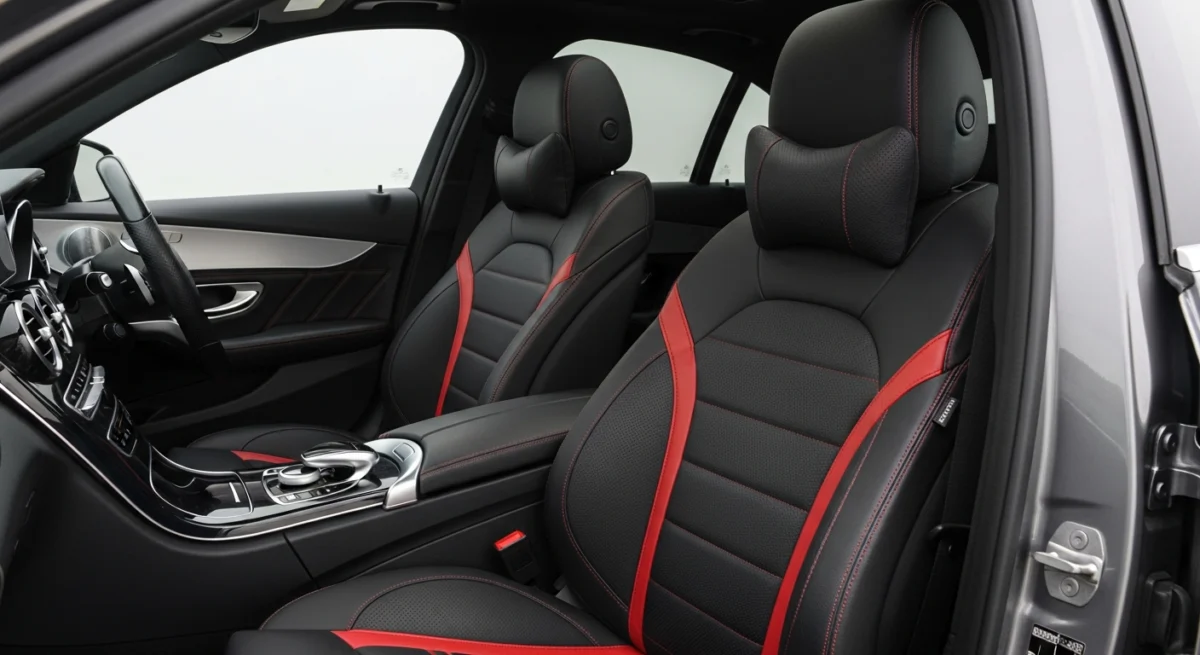
Car seat covers are protective layers designed to fit over your vehicle’s existing seats. They serve as a barrier against spills, stains, wear and tear, UV damage, and general grime. Think of them as the seat’s personal bodyguard.
How They Work
Car seat covers typically attach to the seat using a combination of straps, buckles, hooks, and elastic. The specific attachment method varies depending on the design and intended fit (universal, semi-custom, or custom). The cover essentially creates a new surface that sits atop the original upholstery, shielding it from harm. Some covers also offer additional padding for increased comfort. The installation ensures a snug fit which prevents the cover from slipping and bunching, maintaining a smooth appearance.
Benefits and Key Features of Car Seat Covers
Choosing the right car seat covers can bring a multitude of benefits beyond just aesthetics.
Protection Against Wear and Tear
This is the primary function. Seat covers shield your original upholstery from:
- Spills and stains: Coffee, juice, food crumbs – life happens. Seat covers are much easier to clean than the original seats.
- UV damage: Prolonged sun exposure can fade and crack leather or fabric. Covers block harmful UV rays.
- Wear and tear: Constant friction from getting in and out of the car wears down the original material over time. Covers act as a buffer.
- Pet Damage: A great option if you have a dog or cat that sheds a lot of fur or has dirty paws.
Enhanced Comfort
Many seat covers offer improved comfort thanks to:
- Added padding: Thicker materials provide extra cushioning for long drives.
- Breathable fabrics: Materials like mesh or perforated leather allow for better airflow, preventing sweating and discomfort.
- Temperature regulation: Some materials, like sheepskin, can help keep you warm in the winter and cool in the summer.
Improved Aesthetics
Seat covers offer a simple and cost-effective way to:
- Customize your interior: Choose from a wide variety of colors, patterns, and materials to match your personal style.
- Refresh an aging interior: Cover up worn-out or stained seats to give your car a fresh, new look.
- Increase resale value: Protecting your original upholstery helps maintain your car’s value over time.
Specific Features to Look For
- Water resistance: For maximum protection against spills.
- Airbag compatibility: Crucial for safety. Make sure the covers are designed to allow airbags to deploy properly. Look for the “Airbag Safe” label.
- Easy installation: Opt for covers with a user-friendly installation process.
- Durable materials: Choose materials that can withstand daily wear and tear, like canvas, neoprene, or leatherette.
- Custom fit: Offers the best protection and appearance, but may be more expensive.
Car Seat Cover Installation Tips
Installation varies depending on the type of cover (universal, semi-custom, or custom). Always refer to the manufacturer’s instructions, but here are some general tips:
1. Preparation: Vacuum your seats thoroughly to remove any dirt or debris. This will prevent the cover from trapping grime and scratching the original upholstery. 2. Loosen straps: Before you start, loosen all straps and buckles to give yourself some slack. 3. Start with the seat bottom: Slide the cover over the seat bottom, ensuring a snug fit around the edges. Secure any straps or hooks underneath the seat. 4. Install the backrest cover: Slide the backrest cover over the seat back, again ensuring a snug fit. Secure the straps or hooks. 5. Adjust and tighten: Once both covers are in place, adjust them as needed to eliminate wrinkles and ensure a smooth, taut fit. Tighten all straps and buckles to secure the covers in place. 6. Headrest covers: Install the headrest covers last, following the manufacturer’s instructions. 7. Airbag Safety: For covers that fit around the side airbags, ensure that they do not block or interfere with the airbag deployment. If unsure, get professional installation.
Car Seat Cover Maintenance and Care
Proper maintenance will extend the life of your seat covers and keep them looking their best.
Cleaning
- Vacuum regularly: Use a vacuum cleaner with an upholstery attachment to remove dust, crumbs, and pet hair.
- Spot clean spills immediately: The quicker you address spills, the less likely they are to stain. Use a clean cloth to blot the spill, working from the outside in. Avoid rubbing, as this can spread the stain.
- Follow manufacturer’s instructions: Refer to the care label for specific cleaning instructions. Some covers may be machine washable, while others may require professional cleaning.
- Use appropriate cleaning products: Use a mild detergent or upholstery cleaner designed for the specific material of your seat covers. Avoid harsh chemicals or abrasive cleaners, as these can damage the material.
- Leather/Leatherette Covers: Use a leather cleaner and conditioner regularly to keep the material supple and prevent cracking.
General Care
- Avoid sharp objects: Be careful not to snag or tear the covers with sharp objects, such as keys or jewelry.
- Protect from sunlight: Park in the shade whenever possible to prevent fading and UV damage.
- Regular inspection: Periodically inspect the covers for signs of wear and tear, such as rips, tears, or loose seams. Repair any damage promptly to prevent it from worsening.
- Conditioning: For leather or leatherette covers, condition them regularly to prevent drying and cracking.
- Avoid excessive weight or pressure: Be mindful of placing heavy objects directly on the covers, as this can cause them to stretch or deform.
Top Buying Factors for Car Seat Covers

Choosing the right car seat covers involves considering several key factors.
Fit
- Universal fit: Designed to fit a wide range of vehicles. More affordable but may not provide a perfect fit.
- Semi-custom fit: Designed to fit specific vehicle types or models. Offers a better fit than universal covers but may still require some adjustments.
- Custom fit: Made to order for your specific vehicle. Provides the best possible fit and appearance but is usually the most expensive option.
Material
- Fabric: Affordable and comfortable, but may be less durable and water-resistant than other materials. Popular options include polyester, canvas, and cotton.
- Neoprene: Water-resistant and durable, making it a good choice for active lifestyles. Often used in wetsuits.
- Leather/Leatherette: Stylish and durable, but can be more expensive. Leatherette is a synthetic alternative that offers a similar look and feel at a lower price.
- Mesh: Breathable and comfortable, making it a good choice for hot weather.
- Sheepskin: Luxurious and comfortable, providing excellent temperature regulation.
- Vinyl: Durable and easy to clean, but can be less comfortable than other materials.
Features
- Airbag compatibility: Absolutely essential for safety.
- Water resistance: Important for protecting against spills and stains.
- Easy installation: Look for covers with a user-friendly installation process.
- Durability: Choose materials that can withstand daily wear and tear.
- Comfort: Consider the material and padding for optimal comfort.
- Aesthetics: Choose a style that matches your personal taste and complements your car’s interior.
- Headrest Covers: Check if the seat cover set also includes headrest covers.
- Rear Seat Covers: Determine if you only need front seat covers or require covers for the entire car.
Budget
- Seat covers range in price from inexpensive universal options to premium custom-fit designs. Determine your budget before you start shopping to narrow down your choices.
Reviews and Ratings ⭐
- Read online reviews and ratings from other customers to get an idea of the quality and performance of different seat covers.
Essential FAQ About Car Seat Covers
Here are some frequently asked questions about car seat covers:
Q: Are universal car seat covers truly universal?
A: Not always. While they’re designed to fit a wide range of vehicles, a truly perfect “universal” fit is rare. Expect to make some adjustments. Always double check the compatibility list for your specific make and model.
Q: Will car seat covers interfere with my car’s airbags?
A: Not if you choose covers specifically designed with airbag compatibility in mind. Look for covers labeled “Airbag Safe” or “SRS Compatible.” These covers have been tested to ensure they don’t obstruct airbag deployment.
Q: How do I clean leather car seat covers?
A: Use a leather cleaner and conditioner specifically designed for automotive use. Avoid harsh chemicals or abrasive cleaners. Apply the cleaner with a soft cloth, working in circular motions. Follow up with a leather conditioner to keep the leather supple and prevent cracking.
Q: Can I install car seat covers myself, or should I have them professionally installed?
A: Most car seat covers can be installed yourself, especially universal and semi-custom options. Custom-fit covers, or covers with complex installation procedures, may benefit from professional installation to ensure a proper fit and avoid damaging the covers or your seats.
Q: Are car seat covers worth the investment?
A: Absolutely, if you want to protect your original seats from wear and tear, spills, and UV damage. They can also enhance comfort and improve the aesthetics of your car’s interior, potentially increasing its resale value.
Conclusion
Car seat covers are a simple yet effective way to protect your investment, enhance your comfort, and personalize your ride. By considering factors like fit, material, features, and budget, you can find the perfect set of covers to meet your needs and keep your car looking its best for years to come. Remember to prioritize safety by choosing airbag-compatible covers and following the manufacturer’s instructions carefully. Now that you’re armed with this comprehensive knowledge, you’re ready to make an informed decision and find the perfect car seat covers for your vehicle. Happy driving!